Results for "electronic hearing"
Electronic hearing refers to devices that enhance sound for individuals with hearing impairments. These devices, including hearing aids, use advanced technology to amplify sounds and improve the overall listening experience.


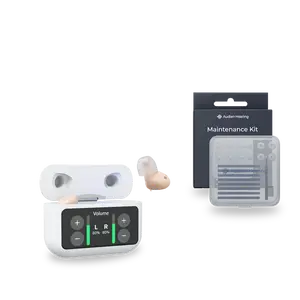
Audien Hearing

4.1
27.4K sold
-24%$117.00$153.00


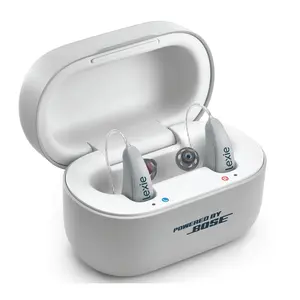
Audien Hearing
4.8
213 sold
-26%$346.00$465.00




Related Searches
Related Categories
Introduction
Electronic hearing technology has revolutionized the way individuals with hearing impairments experience sound. With the rise of hearing aids, users can now enjoy a more enriched auditory environment. Hearing aids are small electronic devices worn in or behind the ear that amplify sounds, making it easier for users to engage in conversations, enjoy music, and participate in social activities.
When considering electronic hearing options, it is essential to understand the various types of hearing aids available. Here are some key points to consider:
Investing in quality electronic hearing devices can significantly improve communication and overall quality of life. Trusted by thousands, these devices are proven to enhance auditory experiences, allowing users to reconnect with the world around them. Regular updates and advancements in technology continue to enhance the effectiveness of hearing aids, making them a worthwhile investment for those in need.
When considering electronic hearing options, it is essential to understand the various types of hearing aids available. Here are some key points to consider:
- Types of Hearing Aids: There are several styles, including behind-the-ear (BTE), in-the-ear (ITE), and receiver-in-canal (RIC), each designed to meet different levels of hearing loss.
- Features: Modern hearing aids come equipped with features like noise reduction, Bluetooth connectivity, and rechargeable batteries, enhancing user convenience and experience.
- Customization: Many hearing aids can be tailored to individual hearing profiles, ensuring optimal performance based on personal needs.
- Consultation: It’s advisable to consult with an audiologist to determine the most suitable electronic hearing device for your specific hearing loss.
Investing in quality electronic hearing devices can significantly improve communication and overall quality of life. Trusted by thousands, these devices are proven to enhance auditory experiences, allowing users to reconnect with the world around them. Regular updates and advancements in technology continue to enhance the effectiveness of hearing aids, making them a worthwhile investment for those in need.