Results for "electric wire for house"
Electric wire for house refers to the insulated cables used to transmit electrical power safely within residential buildings. These wires are essential for powering various devices and appliances, ensuring safety and efficiency in electrical installations.


![TUOFENG 22 Gauge Electrical Wire 400 Feet [200 ft Black and 200 ft Red] Wire - 22 AWG Silicone Wire - Flexible Silicone Wire of Tinned Copper Wire, Solder Through Quickly](https://p16-oec-general-useast5.ttcdn-us.com/tos-useast5-i-omjb5zjo8w-tx/ecf088bb9b9f474db7a824e4bb11d2ba~tplv-fhlh96nyum-crop-webp:282:300.webp?dr=12190&t=555f072d&ps=933b5bde&shp=8dbd94bf&shcp=a6e80448&idc=useast5&from=2378011839 "TUOFENG 22 Gauge Electrical Wire 400 Feet [200 ft Black and 200 ft Red] Wire - 22 AWG Silicone Wire - Flexible Silicone Wire of Tinned Copper Wire, Solder Through Quickly")


GEARit Official

-27%$35.01$47.76


GEARit Official
5.0
88 sold
-27%$31.84$43.51


GEARit Official
4.5
96 sold
-25%$56.88$76.25


GEARit Official
4.7
21 sold
-26%$43.39$58.65


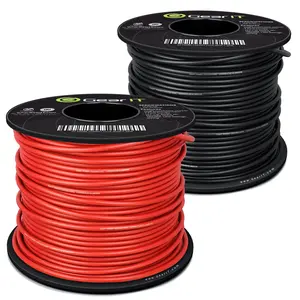
GEARit Official
4.5
14 sold
-27%$27.44$37.53


Related Searches
Related Categories
Introduction
When it comes to wiring your home, choosing the right electric wire for house is crucial for safety and functionality. Electric wires are designed to carry electricity from the main supply to various outlets and appliances throughout your home. There are different types of wires available, including non-metallic sheathed cable (NM), which is commonly used in residential settings. This type of wire is easy to install and offers excellent protection against electrical hazards.
Another popular option is the underground feeder (UF) cable, which is specifically designed for outdoor use and can withstand moisture and other environmental factors. When selecting electric wire for house, consider the amperage requirements of your devices, as well as local building codes that dictate the types of wiring permitted.
Additionally, using the correct gauge wire is essential; a thicker wire can handle more current, while a thinner wire is suitable for lower power applications. Always prioritize safety by ensuring that your wiring is properly installed and maintained.
In conclusion, investing in high-quality electric wire for house not only enhances the safety of your home but also improves the efficiency of your electrical system. Make informed choices and consult with professionals when necessary to ensure a reliable and safe electrical setup.
Another popular option is the underground feeder (UF) cable, which is specifically designed for outdoor use and can withstand moisture and other environmental factors. When selecting electric wire for house, consider the amperage requirements of your devices, as well as local building codes that dictate the types of wiring permitted.
Additionally, using the correct gauge wire is essential; a thicker wire can handle more current, while a thinner wire is suitable for lower power applications. Always prioritize safety by ensuring that your wiring is properly installed and maintained.
In conclusion, investing in high-quality electric wire for house not only enhances the safety of your home but also improves the efficiency of your electrical system. Make informed choices and consult with professionals when necessary to ensure a reliable and safe electrical setup.