Results for "household light wiring"
Household light wiring refers to the electrical connections and systems that provide power to various lighting fixtures in a home. Proper wiring ensures safety and functionality of light installations.


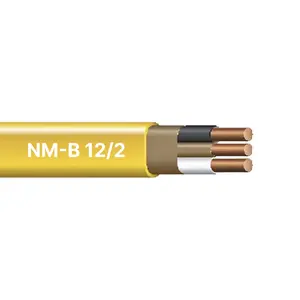


GEARit Official

5.0
85 sold
-27%$31.61$43.20


Sunco Lighting
5.0
11 sold
$115.92


GEARit Official
-27%$34.76$47.42


GEARit Official
4.5
96 sold
-25%$51.09$68.49


5.0
53 sold
-44%$35.00$63.00


Related Searches
Related Categories
Introduction
When it comes to household light wiring, understanding the basics is essential for any homeowner or DIY enthusiast. Household light wiring involves the intricate connections that supply power to your bulbs, tubes, and strips, ensuring that your living space is well-lit and inviting. Whether you're looking to replace a light fixture, install new lighting, or simply understand how your home is wired, knowing about household light wiring can help you make informed decisions.
Here are some key points to consider about household light wiring:
Here are some key points to consider about household light wiring:
- Safety First: Always prioritize safety when working with electrical systems. Ensure the power is turned off before attempting any wiring tasks.
- Types of Wiring: Familiarize yourself with the different types of wiring used in household lighting, including standard wiring, low-voltage wiring, and smart wiring options.
- Common Fixtures: Understand the various types of lighting fixtures, such as recessed lights, pendant lights, and LED strips, and how they connect to your home's wiring.
- Local Codes: Be aware of local electrical codes and regulations that may affect your lighting installations.
- Professional Help: If you're unsure about any aspect of household light wiring, don’t hesitate to consult a licensed electrician.