Results for "dummy safety"
Dummy safety refers to the precautions and measures taken to ensure that dummies, or pacifiers, are safe for infants and toddlers to use. This includes materials used, design features, and adherence to safety standards.


-26%$33.25$44.89


-26%$26.80$36.18


$47.79


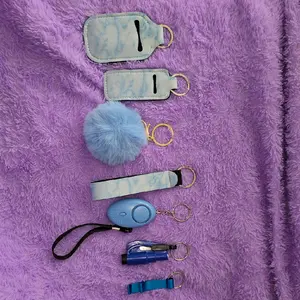


4.6
356 sold
-54%$6.33$13.72


Related Searches
Related Categories
Introduction
Dummy safety is a critical concern for parents and caregivers when it comes to choosing the right pacifier for their little ones. With the increasing variety of dummies available, understanding dummy safety helps ensure that your child is using a product that is both effective and safe. When selecting a dummy, it’s essential to look for features such as BPA-free materials, orthodontic designs, and proper ventilation holes to prevent choking hazards.
Here are some key points to consider regarding dummy safety:
Here are some key points to consider regarding dummy safety:
- Material Safety: Ensure that the dummy is made from safe, non-toxic materials that are free from harmful chemicals.
- Design Features: Look for dummies that have a shield to prevent the pacifier from being swallowed and that are shaped to support oral development.
- Regular Inspection: Frequently check the dummy for and tear, and replace it if damaged.
- Cleaning and Hygiene: Follow the manufacturer’s instructions for cleaning to maintain hygiene and prevent the growth of bacteria.
- Age Appropriateness: Choose dummies that are suitable for your child's age to ensure they meet safety standards.