Results for "do deer whistles work"
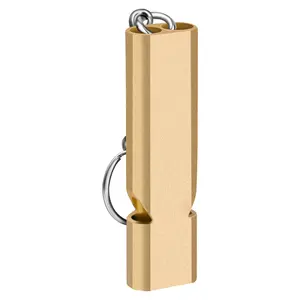
Deer whistles are devices designed to emit a sound that is intended to alert deer of oncoming vehicles, potentially preventing accidents.

5.0
31 sold
-75%$11.94$48.00


1.0
5 sold
-57%$13.72$31.67


5.0
89 sold
-30%$10.55$15.07


$15.00
$10.50


Related Searches
Related Categories
Introduction
Deer whistles have gained popularity among drivers who frequently travel in areas where deer are common. The primary function of these devices is to produce a sound that alerts deer to the presence of a vehicle, ideally encouraging them to move away from the road. Many users wonder, 'do deer whistles work?' and the answer is somewhat complex. While some studies suggest that deer whistles can be effective in reducing deer-vehicle collisions, other research indicates that their effectiveness may vary based on factors such as the type of whistle, speed of the vehicle, and environmental conditions.
Here are some key points to consider about deer whistles:
Here are some key points to consider about deer whistles:
- Sound Frequency: The sound emitted by deer whistles is typically designed to mimic the distress calls of deer or other animals, which can alert them to danger.
- Installation: Proper installation is crucial for effectiveness; the whistles should be mounted on the front of the vehicle to ensure they catch the wind.
- Speed Sensitivity: Deer whistles are most effective at higher speeds, as the airflow generates the sound needed to alert deer.
- Driver Awareness: While deer whistles can help, drivers should remain vigilant, especially in known deer crossing areas.
- Proven Quality: Many drivers have reported positive experiences using deer whistles, citing a decrease in near-miss encounters with deer.