Results for "difference between matcha and moringa"
Matcha and moringa are both nutrient-rich powders derived from plants, but they come from different sources and have distinct flavors and health benefits.


4.4
163.5K sold
-56%$39.99$89.99


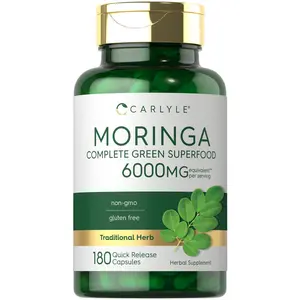
Carlyle Nutritionals

4.5
43.5K sold
$13.99


Micro Ingredients
4.5
3.4K sold
-19%$29.95$36.95


Laird Superfood
5.0
16 sold
$19.00


5.0
27 sold
-7%$19.14$20.58
4.4
745.9K sold
-50%$24.99$49.99


Micro Ingredients
4.7
15.9K sold
-26%$28.95$38.95


Related Searches
Related Categories
Introduction
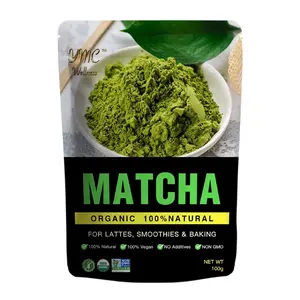
When it comes to health supplements, matcha and moringa are two popular choices that have gained significant attention for their exceptional nutritional profiles. Matcha, a finely ground powder made from specially grown green tea leaves, is celebrated for its vibrant green color and rich antioxidant content. It provides a sustained energy boost without the jitters commonly associated with coffee, making it a favorite among wellness enthusiasts. On the other hand, moringa, derived from the leaves of the Moringa oleifera tree, is often referred to as a superfood due to its high levels of vitamins, minerals, and amino acids. It has a slightly earthy flavor and is known for its anti-inflammatory properties and ability to support overall health.
Both matcha and moringa can be easily incorporated into your diet. Here are some common ways to enjoy them:
Whether you choose matcha or moringa, both offer unique health benefits and flavor profiles. It's important to consider your health goals and taste preferences when deciding which one to incorporate into your diet. With proven quality and customer approval, both matcha and moringa have become staples in health-conscious kitchens around the world. By understanding the differences between these two superfoods, you can make an informed choice that best suits your lifestyle.
Both matcha and moringa can be easily incorporated into your diet. Here are some common ways to enjoy them:
- Matcha can be whisked into hot water for a traditional tea experience or blended into smoothies for a delicious, energizing boost.
- Moringa powder can be added to soups, salads, or smoothies, providing a nutritious punch to your meals.
Whether you choose matcha or moringa, both offer unique health benefits and flavor profiles. It's important to consider your health goals and taste preferences when deciding which one to incorporate into your diet. With proven quality and customer approval, both matcha and moringa have become staples in health-conscious kitchens around the world. By understanding the differences between these two superfoods, you can make an informed choice that best suits your lifestyle.