depth gauge
A depth gauge is a precision measuring instrument used to determine the depth of holes, slots, or recesses. It is essential for ensuring accuracy in various engineering and woodworking applications.




Introduction
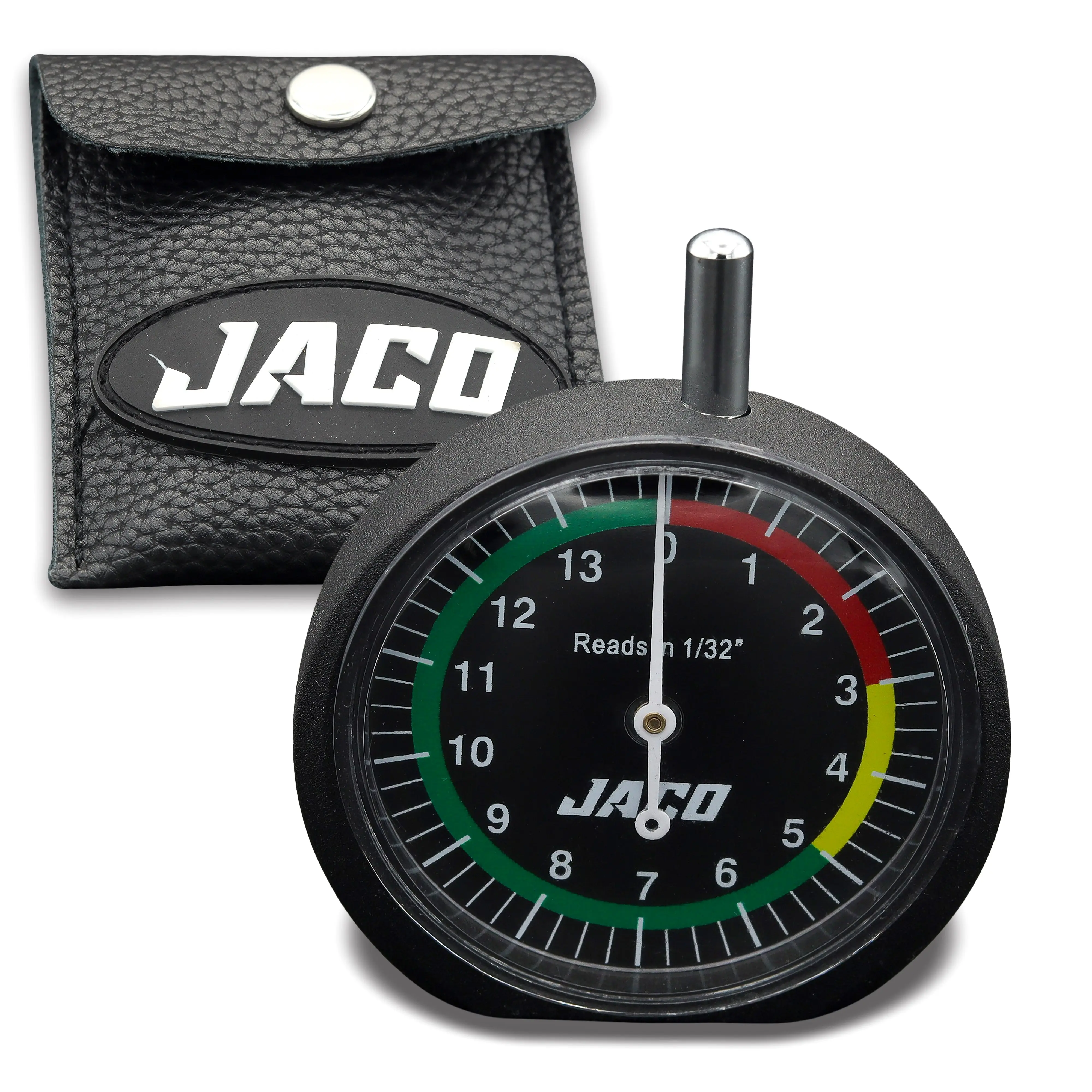
When it comes to precision in woodworking and engineering, the depth gauge is an indispensable tool. This hand measuring tool allows users to measure the depth of holes and recesses with remarkable accuracy, ensuring that every project meets the required specifications. Whether you are a professional carpenter or a DIY enthusiast, understanding how to use a depth gauge can significantly enhance your work quality.
Depth gauges come in various styles, including digital and mechanical models, each offering unique advantages. Digital depth gauges provide instant readings, while mechanical options are often preferred for their durability and simplicity. Using a depth gauge effectively involves placing the tool into the hole and adjusting it until the measuring tip touches the bottom, allowing for precise depth readings.
In addition to woodworking, depth gauges are widely used in metalworking and automotive industries. They help ensure that components fit perfectly, which is crucial for safety and functionality. As you explore different types of depth gauges, look for features such as easy-to-read scales, sturdy construction, and comfortable grips.
In summary, a depth gauge is a vital hand measuring tool that enhances accuracy in various applications. Whether you are measuring the depth of a drill hole or checking the recess of a joint, investing in a quality depth gauge will elevate your craftsmanship.