Results for "computer chip processor"
A computer chip processor, often referred to simply as a processor or CPU (Central Processing Unit), is the primary component of a computer that performs most of the processing inside the computer. It executes instructions from programs and controls the operation of other components.


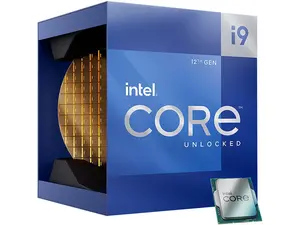


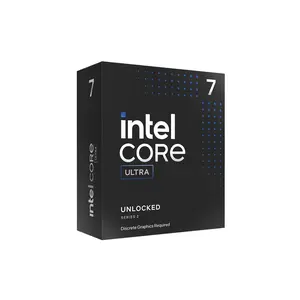
Newegg, Inc.

1.0
32 sold
-30%$331.83$471.48
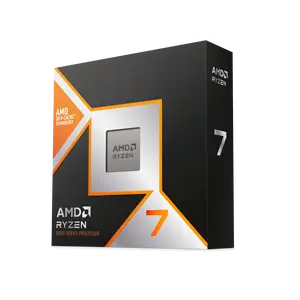


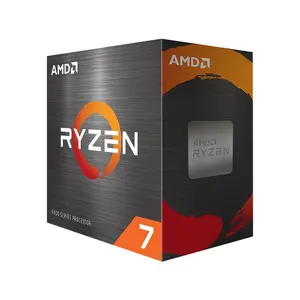
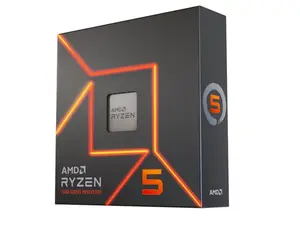
Newegg, Inc.
-39%$214.10$351.47

$52.00

Newegg, Inc.
4.1
92 sold
-43%$106.18$186.99


Newegg, Inc.
5.0
24 sold
-9%$451.62$494.48

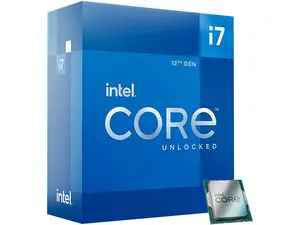





Related Searches
Related Categories
Introduction
The computer chip processor is a vital component of any computing device, responsible for executing instructions and processing data. Whether you're using a laptop, desktop, or even a smartphone, the processor plays a crucial role in determining the device's performance and efficiency. When selecting a computer chip processor, it's essential to consider factors such as clock speed, core count, and thermal design power (TDP).
Here are some key points to keep in mind when choosing a processor:
Here are some key points to keep in mind when choosing a processor:
- Clock Speed: Measured in gigahertz (GHz), this indicates how many cycles per second the processor can execute. Higher speeds generally mean better performance.
- Core Count: Modern processors come with multiple cores, allowing them to handle multiple tasks simultaneously. More cores can lead to improved multitasking capabilities.
- Cache Memory: This is a small amount of high-speed memory located on the processor itself, which stores frequently accessed data for quicker retrieval.
- Compatibility: Ensure that the processor is compatible with your motherboard and other hardware components.
- Brand Reputation: Consider processors from trusted brands like Intel and AMD, known for their reliability and performance.