cara guna obd2 scanner
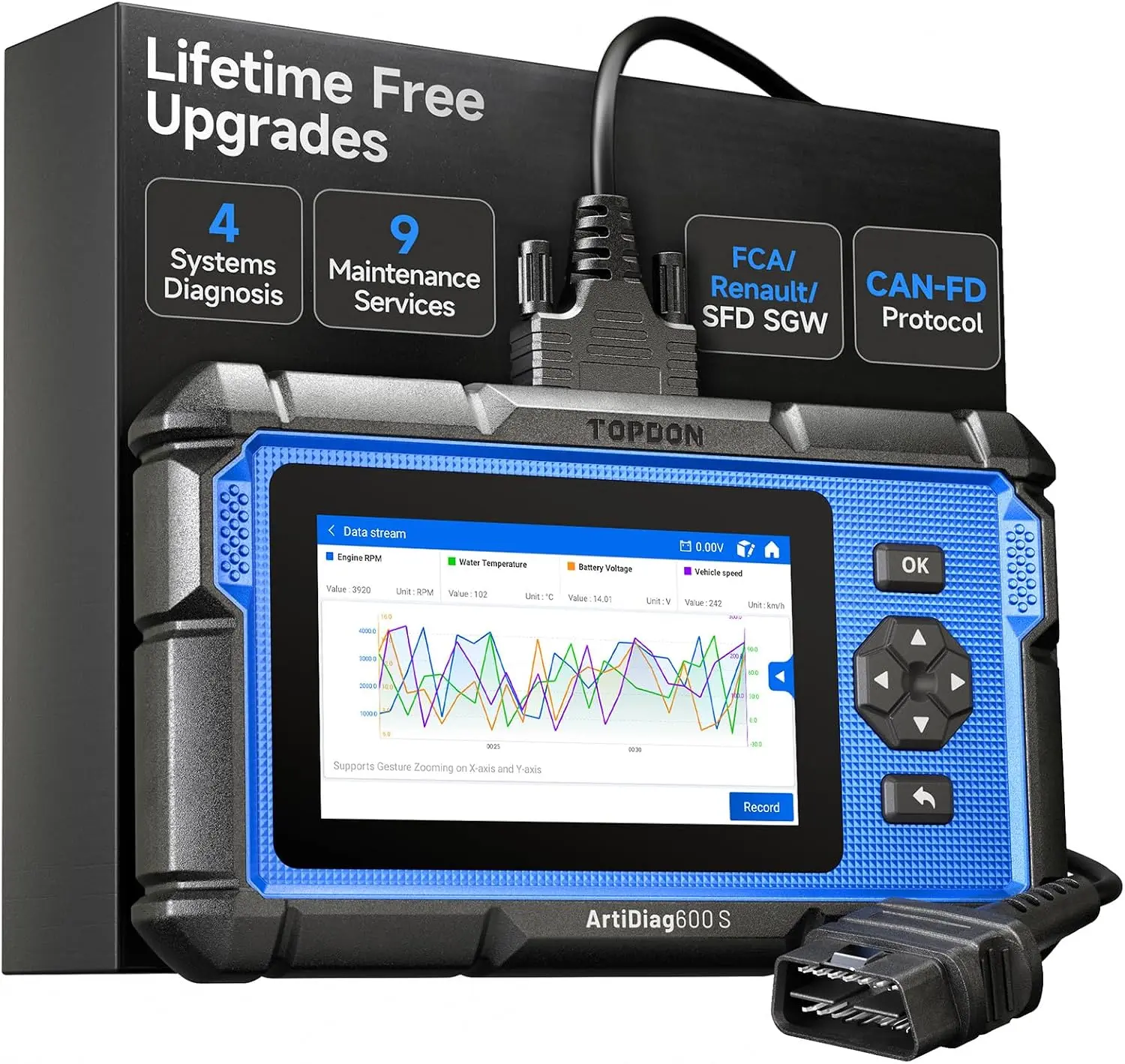
OBD2 scanner is a diagnostic tool used to read and clear error codes from a vehicle's onboard computer system, helping users identify issues with their vehicle.
Featured brands
Authenticated productsVerified shops




Topdonshop

4.5
281 sold
-39%$49.00$79.99
![[Summervibes] XTOOL D5S OBD2 Scanner Car Diagnostic Scan Tools for ABS/SRS/Engine/Transmission, 16 Reset Services, Free Lifetime Update, Code Reader for Cars & Trucks, Crank Sensor Relearn, FCA AutoAuth, CAN FD for Vehicle Automotive Alternator Tester sum](https://p19-oec-general-useast5.ttcdn-us.com/tos-useast5-i-omjb5zjo8w-tx/3953406e97714d638b95b0785b72307a~tplv-fhlh96nyum-resize-webp:600:600.webp?dr=12190&t=555f072d&ps=933b5bde&shp=8dbd94bf&shcp=a6e80448&idc=useast5&from=2378011839 "[Summervibes] XTOOL D5S OBD2 Scanner Car Diagnostic Scan Tools for ABS/SRS/Engine/Transmission, 16 Reset Services, Free Lifetime Update, Code Reader for Cars & Trucks, Crank Sensor Relearn, FCA AutoAuth, CAN FD for Vehicle Automotive Alternator Tester sum")


Topdonshop
4.2
736 sold
-14%$69.00$79.99


![[Summervibes] XTOOL D6 OBD2 Scanner Car Diagnostic Scan Tool for All System with Lifetime Free Updates, 15 Resets, Throttle Body Relearn, ABS Bleed, FCA AutoAuth & CAN FD Vehicle Automotive](https://p16-oec-general-useast5.ttcdn-us.com/tos-useast5-i-omjb5zjo8w-tx/a9951bca6ad944f9951a9d6dd250967d~tplv-fhlh96nyum-resize-webp:600:600.webp?dr=12190&t=555f072d&ps=933b5bde&shp=8dbd94bf&shcp=a6e80448&idc=useast5&from=2378011839 "[Summervibes] XTOOL D6 OBD2 Scanner Car Diagnostic Scan Tool for All System with Lifetime Free Updates, 15 Resets, Throttle Body Relearn, ABS Bleed, FCA AutoAuth & CAN FD Vehicle Automotive")

Related Searches
Related Categories
Introduction
Using an OBD2 scanner is essential for anyone looking to maintain their vehicle's health effectively. An OBD2 scanner connects to the vehicle's onboard diagnostic port, allowing you to read diagnostic trouble codes (DTCs) that can indicate various issues with the engine and other systems. This tool is user-friendly and can be used by both professionals and car owners.
Here’s how to use an OBD2 scanner effectively:
Here’s how to use an OBD2 scanner effectively:
- Locate the OBD2 port, typically found under the dashboard near the steering column.
- Plug in the OBD2 scanner securely.
- Turn on the vehicle's ignition without starting the engine.
- Follow the scanner's instructions to read the codes.
- Interpret the codes using the scanner's manual or online resources.