Results for "biotite noir"
Biotite noir is a type of biotite mineral characterized by its dark color, typically black or brown. It is commonly found in igneous and metamorphic rocks and is known for its perfect and shiny appearance.





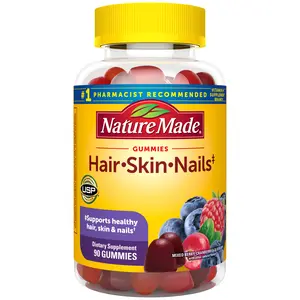
$21.96


RéVive Skincare Official

4.8
63 sold
-20%$162.00$202.00

![[Dr.Bio official shop] Dr.Bio Green Rice Biome Cream (1.69 fl.oz) with Probiotic, Vegan Moisturiser, Reduce Dark Spot, Treat Hyperpigmentation & Blemish, Radiant Skin, Skin Barrier Care, Fragrance-Free, Korean Skincare](https://p16-oec-general-useast5.ttcdn-us.com/tos-useast5-i-omjb5zjo8w-tx/e08191b23ba248899efbbdb03fa689a3~tplv-fhlh96nyum-crop-webp:300:300.webp?dr=12190&t=555f072d&ps=933b5bde&shp=8dbd94bf&shcp=a6e80448&idc=useast5&from=2378011839 "[Dr.Bio official shop] Dr.Bio Green Rice Biome Cream (1.69 fl.oz) with Probiotic, Vegan Moisturiser, Reduce Dark Spot, Treat Hyperpigmentation & Blemish, Radiant Skin, Skin Barrier Care, Fragrance-Free, Korean Skincare")


![[JSNR Official] Freeze-Dried Peptide Shot Mini Set – 2 Weeks Fresh Activation Face Lifting Kit (Serum) + Deep Clean Repair Cream + Hydrating Moisture Cream, Blue Copper Peptide Ampoule Powder, Anti-Aging Cleanse & Repair Glow Skincare Set](https://p16-oec-general-useast5.ttcdn-us.com/tos-useast5-i-omjb5zjo8w-tx/8611fec97dab43edb27fddb6bdb1d9ac~tplv-fhlh96nyum-crop-webp:300:300.webp?dr=12190&t=555f072d&ps=933b5bde&shp=8dbd94bf&shcp=a6e80448&idc=useast5&from=2378011839 "[JSNR Official] Freeze-Dried Peptide Shot Mini Set – 2 Weeks Fresh Activation Face Lifting Kit (Serum) + Deep Clean Repair Cream + Hydrating Moisture Cream, Blue Copper Peptide Ampoule Powder, Anti-Aging Cleanse & Repair Glow Skincare Set")


![[Biodance Official] Vita Niacinamide CreamㅣBrightening, Dark Spot Correcting Facial Moisturizer, Korean Skincare | 1.69 fl.oz, 50ml](https://p16-oec-general-useast8.ttcdn-us.com/tos-useast8-i-rt0ujvrtvp-tx2/3ad6779fa64640519b31edc832384844~tplv-fhlh96nyum-crop-webp:300:300.webp?dr=12190&t=555f072d&ps=933b5bde&shp=8dbd94bf&shcp=a6e80448&idc=useast5&from=2378011839 "[Biodance Official] Vita Niacinamide CreamㅣBrightening, Dark Spot Correcting Facial Moisturizer, Korean Skincare | 1.69 fl.oz, 50ml")
Biodance Store US
-28%$30.00$41.40


![[Biodance Official] Radiant Vita-Mite Niacinamide SerumㅣDark Spot Correcting, 20% Niacinamide+Glutathione, Korean Brightening Skincare, Discoloration, Hyperpigmentation, Anti-Aging, Probiotic Complex Ampoule | 1.01 fl. oz x 1 ea](https://p16-oec-general-useast8.ttcdn-us.com/tos-useast8-i-rt0ujvrtvp-tx2/26847f7541b4420b924c6841b037b9da~tplv-fhlh96nyum-crop-webp:300:300.webp?dr=12190&t=555f072d&ps=933b5bde&shp=8dbd94bf&shcp=a6e80448&idc=useast5&from=2378011839 "[Biodance Official] Radiant Vita-Mite Niacinamide SerumㅣDark Spot Correcting, 20% Niacinamide+Glutathione, Korean Brightening Skincare, Discoloration, Hyperpigmentation, Anti-Aging, Probiotic Complex Ampoule | 1.01 fl. oz x 1 ea")


Goli Nutrition
4.9
7.3K sold
-49%$21.35$42.00
Related Searches
Related Categories
Introduction
Biotite noir is a fascinating mineral that captivates geologists and rock enthusiasts alike. This dark, shiny mineral plays an essential role in the composition of various igneous and metamorphic rocks. Biotite noir is not just visually striking; it also has unique properties that make it valuable in geological studies.
When exploring biotite noir, it’s important to understand its key characteristics:
Biotite noir is often used as an indicator mineral in geological mapping and research. Its presence can signal specific mineralization processes, making it a topic of interest for both amateur and professional geologists. Additionally, this mineral is known for its proven quality and is trusted by thousands in the field for accurate geological assessments.
If you’re interested in collecting minerals or studying geology, understanding biotite noir is crucial. It can provide insights into the formation and evolution of the Earth’s crust. Regularly updating your knowledge about biotite noir can enhance your expertise and appreciation of geology.
When exploring biotite noir, it’s important to understand its key characteristics:
- Color: Predominantly black or dark brown.
- : Exhibits perfect cleavage, allowing it to split into thin sheets.
- Occurrence: Commonly found in granite, schist, and other metamorphic rocks.
Biotite noir is often used as an indicator mineral in geological mapping and research. Its presence can signal specific mineralization processes, making it a topic of interest for both amateur and professional geologists. Additionally, this mineral is known for its proven quality and is trusted by thousands in the field for accurate geological assessments.
If you’re interested in collecting minerals or studying geology, understanding biotite noir is crucial. It can provide insights into the formation and evolution of the Earth’s crust. Regularly updating your knowledge about biotite noir can enhance your expertise and appreciation of geology.