arabic medieval clothing
Arabic medieval clothing refers to the traditional garments worn during the medieval period in the Arab world, characterized by rich fabrics, intricate designs, and cultural significance.
Featured brands
Authenticated productsVerified shops


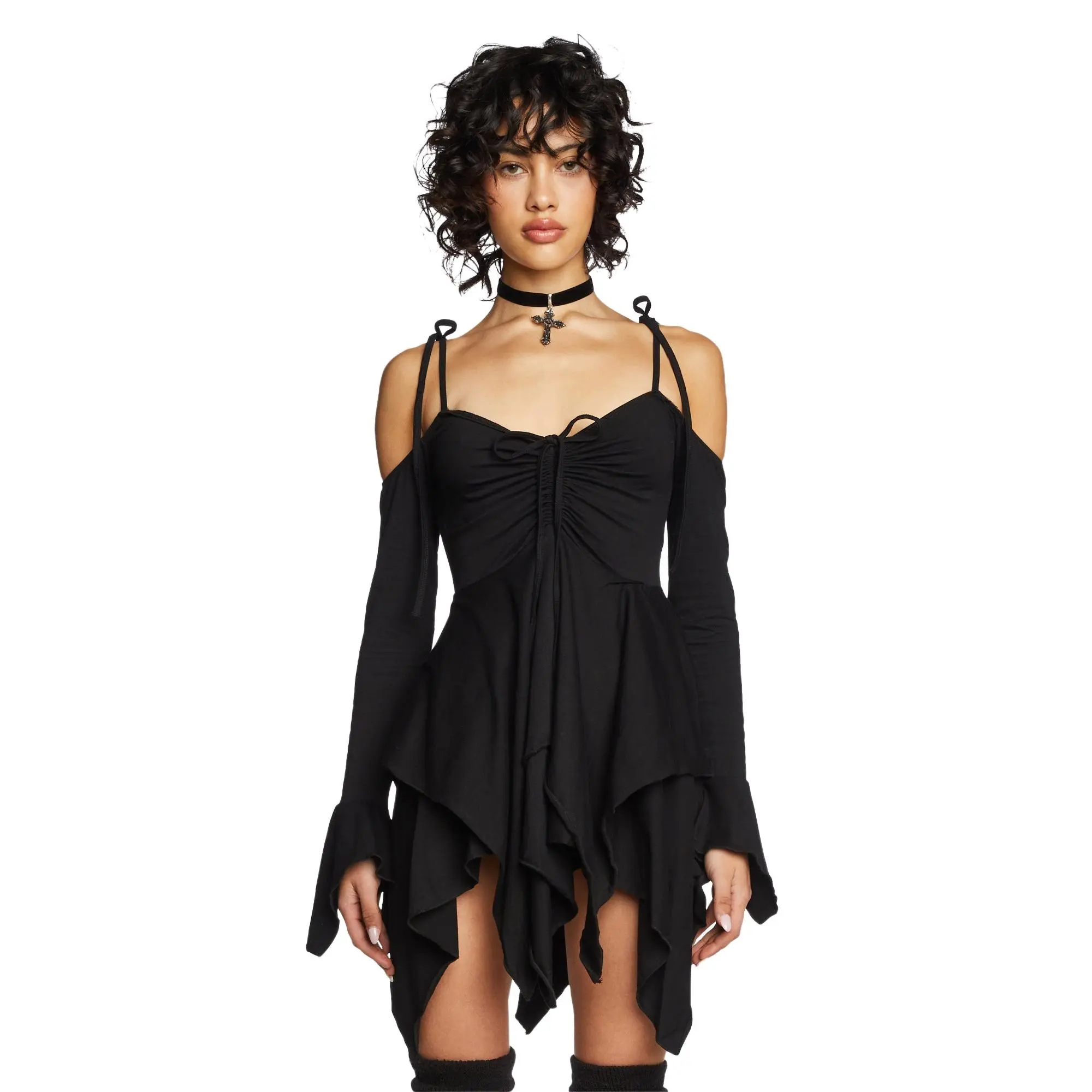
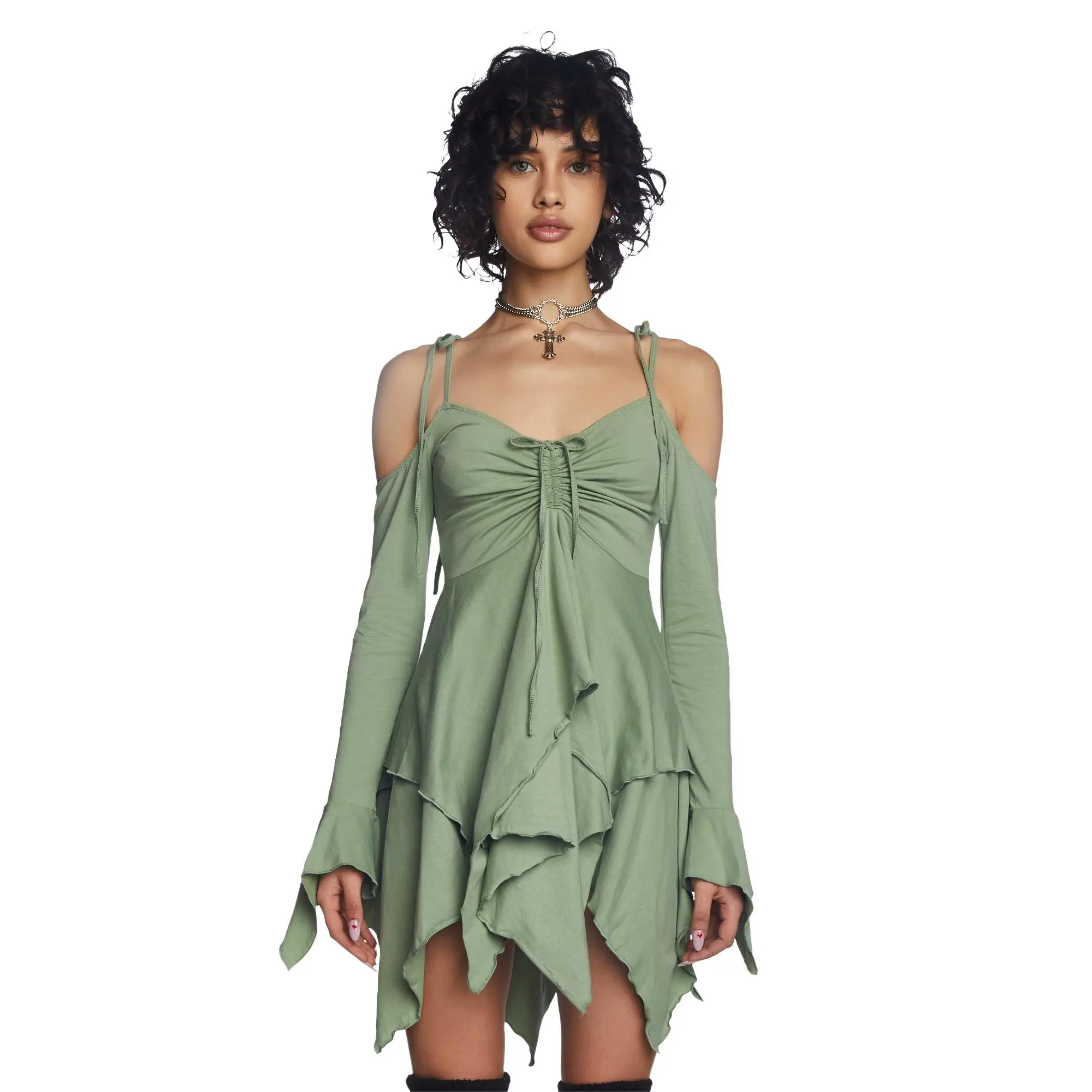


Foxblood Shop

4.9
90 sold
$68.50


Related Searches
Related Categories
Introduction
Arabic medieval clothing is a fascinating topic that showcases the rich history and cultural heritage of the Arab world. These garments were not just functional; they were also a reflection of social status, regional identity, and artistry. The clothing styles varied significantly across different regions, but common elements included flowing robes, intricate embroidery, and the use of luxurious materials such as silk and cotton.
When exploring Arabic medieval clothing, it’s essential to consider the various types of garments, including tunics, cloaks, and trousers. Here are some key points to keep in mind:
When exploring Arabic medieval clothing, it’s essential to consider the various types of garments, including tunics, cloaks, and trousers. Here are some key points to keep in mind:
- Materials: Fabrics like silk, wool, and cotton were commonly used, often adorned with beautiful patterns.
- Design: Clothing was designed for comfort and modesty, with loose-fitting styles that allowed for ease of movement.
- Accessories: Belts, headscarves, and decorative elements played a significant role in completing the look.
- Cultural Significance: Clothing often indicated social hierarchy and was used in various ceremonies and daily life.