airtight juice containers
Airtight juice containers are specially designed storage solutions that prevent air from entering, ensuring that your juices remain fresh and flavorful for longer periods.
Featured brands
Authenticated productsVerified shops

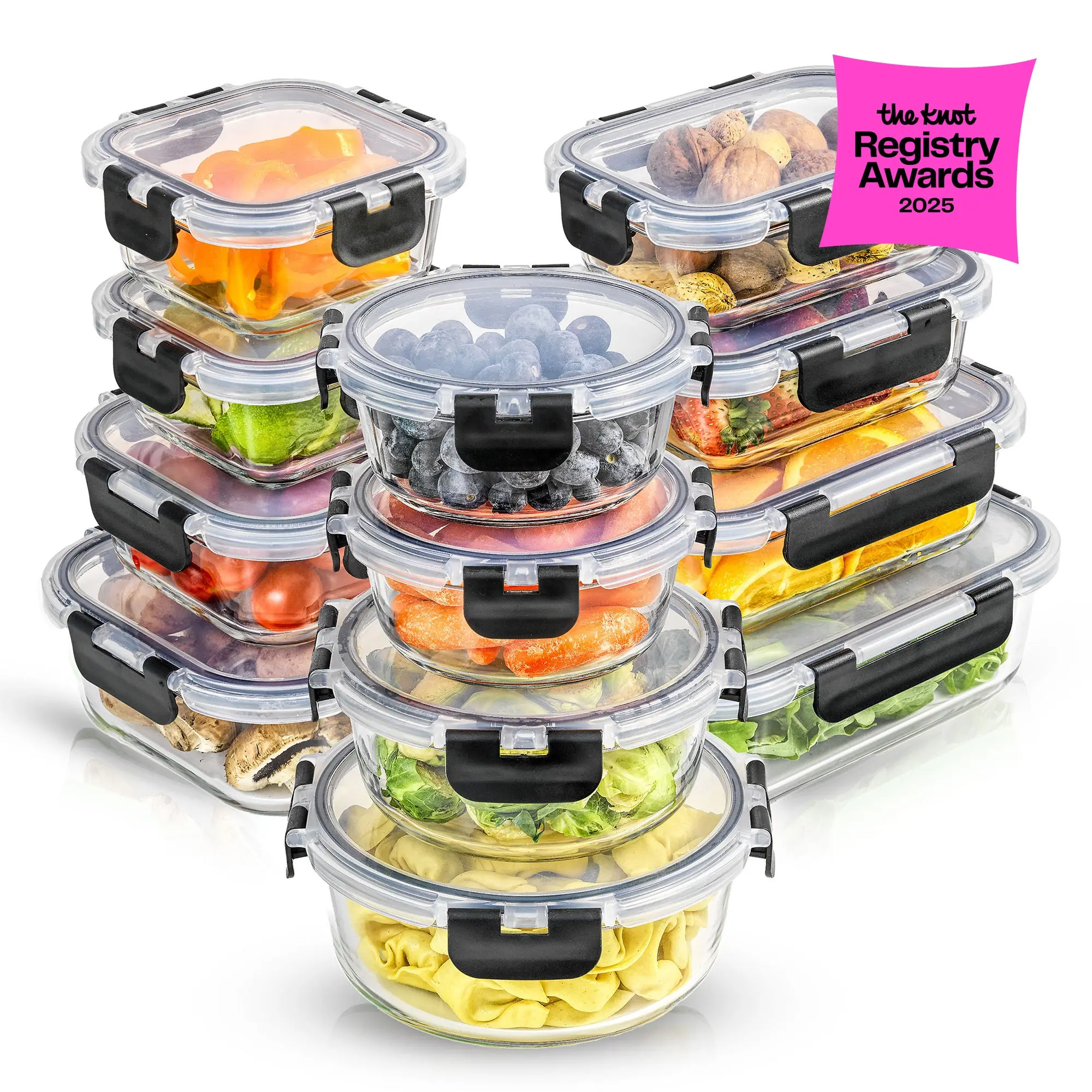
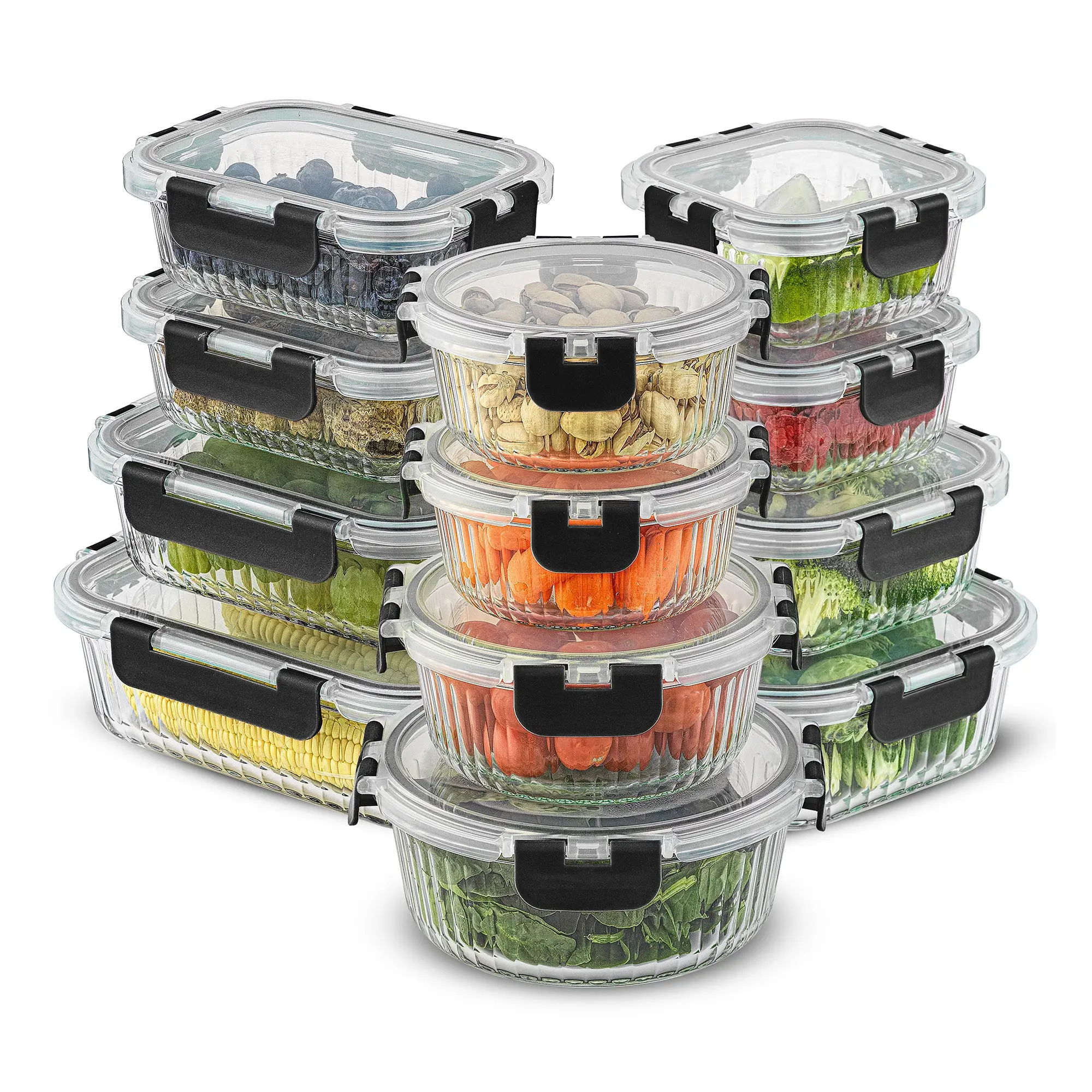
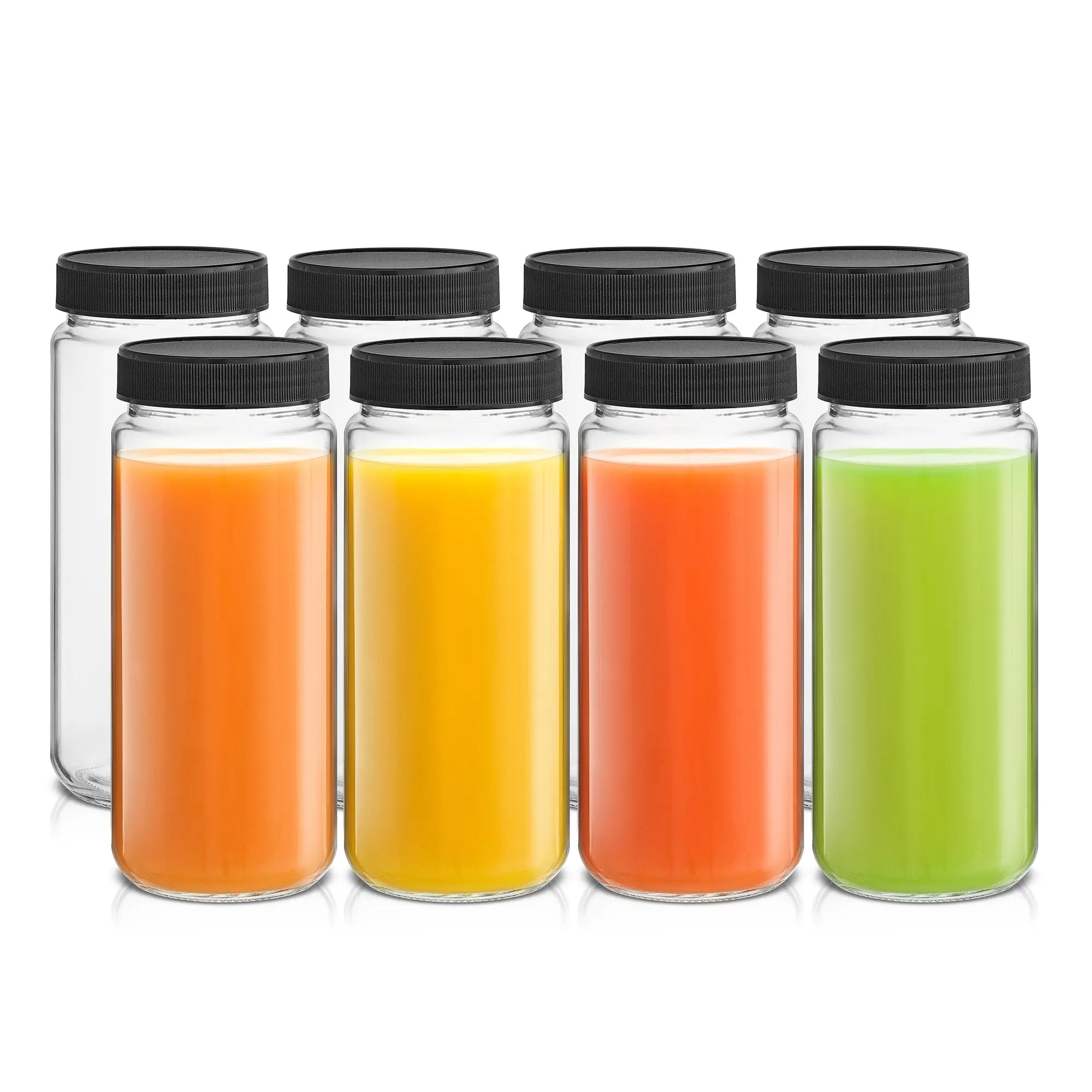
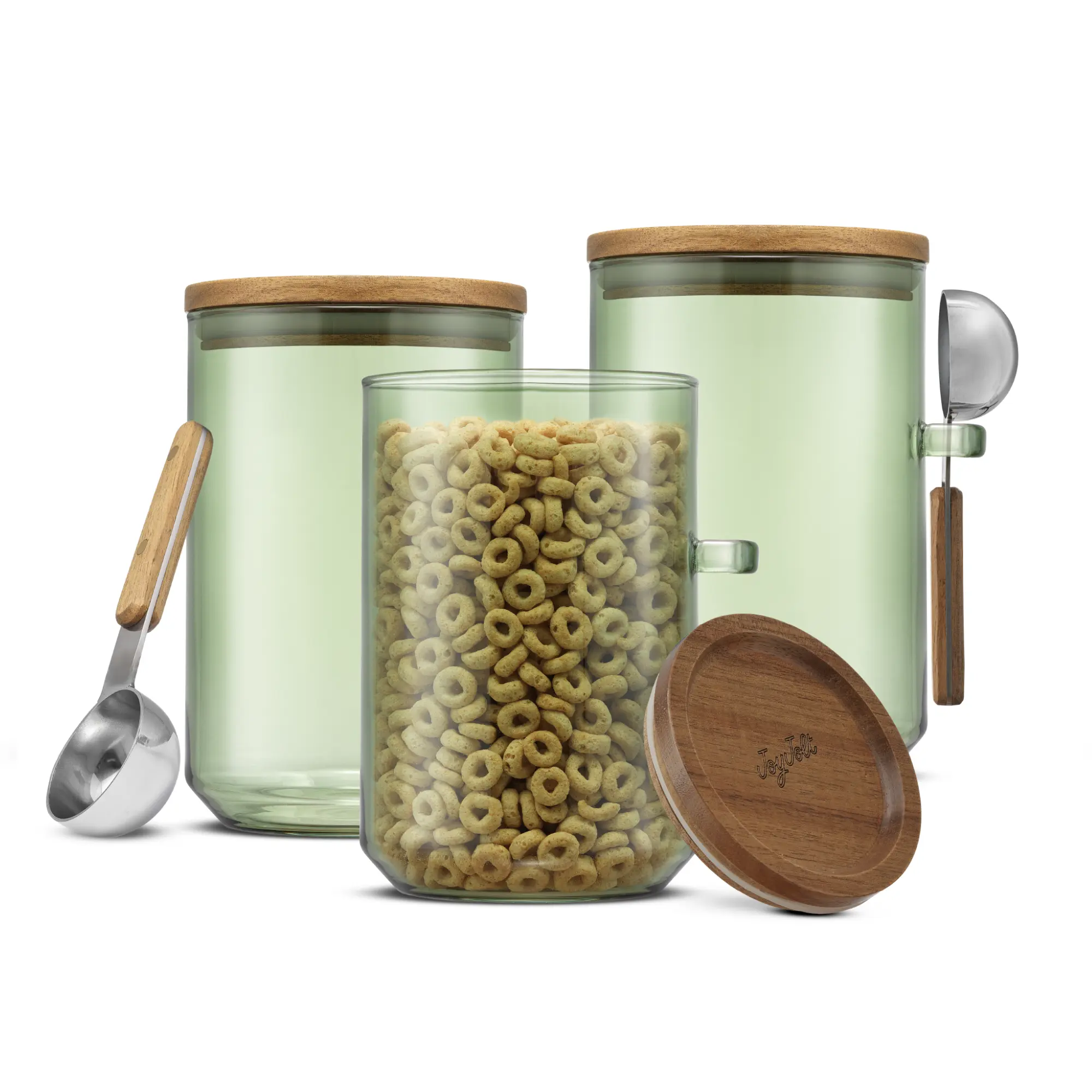
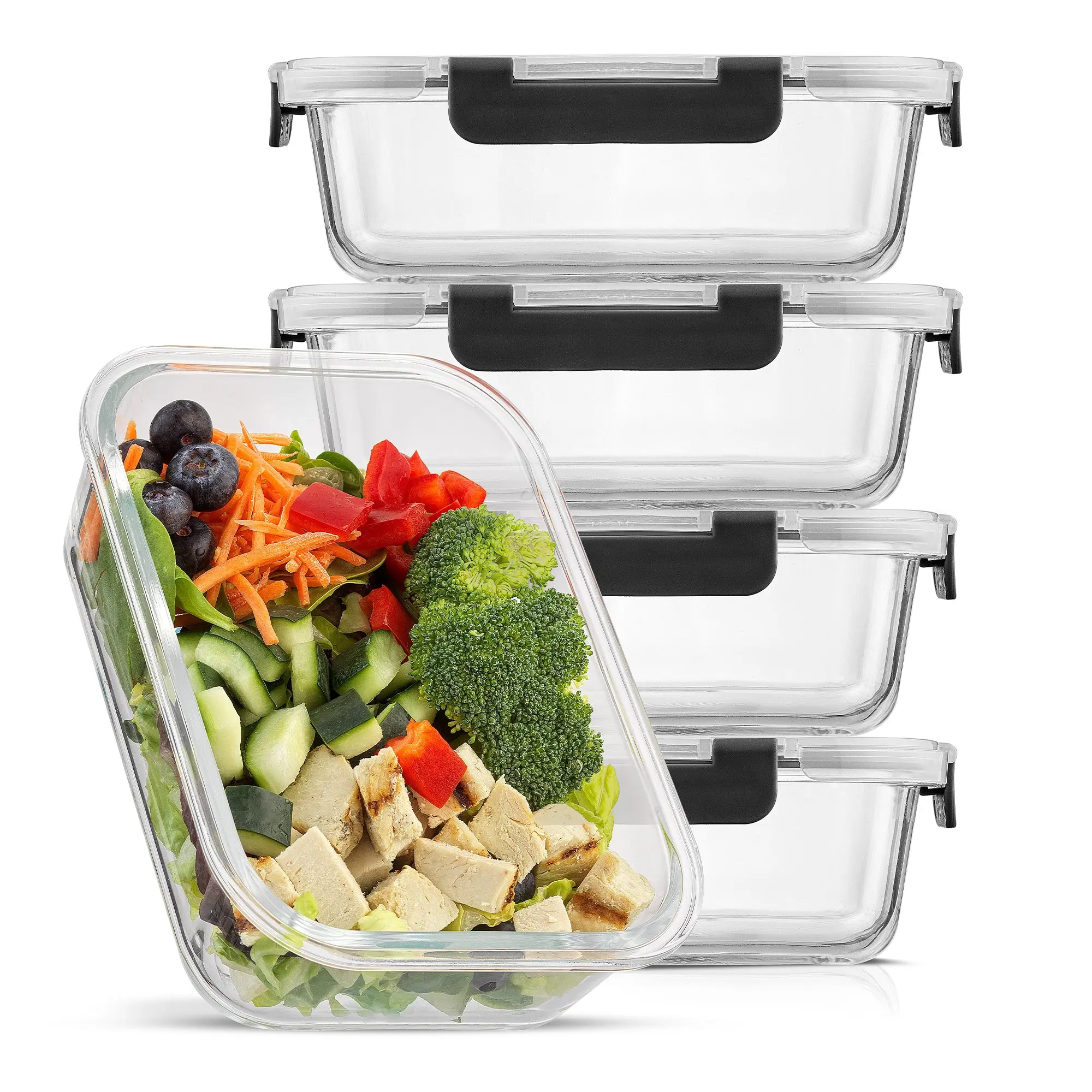


Related Searches
Related Categories
Introduction
When it comes to preserving the freshness of your favorite beverages, airtight juice containers are an essential kitchen accessory. These innovative storage solutions are designed to keep your juices, smoothies, and other liquid refreshments safe from oxidation, which can lead to spoilage and loss of flavor. By utilizing an airtight seal, these containers lock in the freshness, allowing you to enjoy your drinks at their best.
Here are some key benefits of using airtight juice containers:
Whether you're meal prepping for the week or just want to store your homemade juices, investing in high-quality airtight juice containers is a smart choice. With proven quality and customer-approved designs, these containers are trusted by thousands to keep their beverages fresh and delicious. Remember to look for containers with easy-to-use lids and features that fit your lifestyle, making your juice storage experience hassle-free.
Here are some key benefits of using airtight juice containers:
- Prolonged Freshness: By preventing air exposure, these containers help maintain the quality of your juices for days.
- Convenient Storage: Their compact design makes them easy to store in your refrigerator or pantry.
- Versatile Use: Suitable for various liquids, including smoothies, sauces, and dressings.
- Safe Materials: Most airtight juice containers are made from durable, BPA-free materials, ensuring safety for your health.
Whether you're meal prepping for the week or just want to store your homemade juices, investing in high-quality airtight juice containers is a smart choice. With proven quality and customer-approved designs, these containers are trusted by thousands to keep their beverages fresh and delicious. Remember to look for containers with easy-to-use lids and features that fit your lifestyle, making your juice storage experience hassle-free.