3D filiment
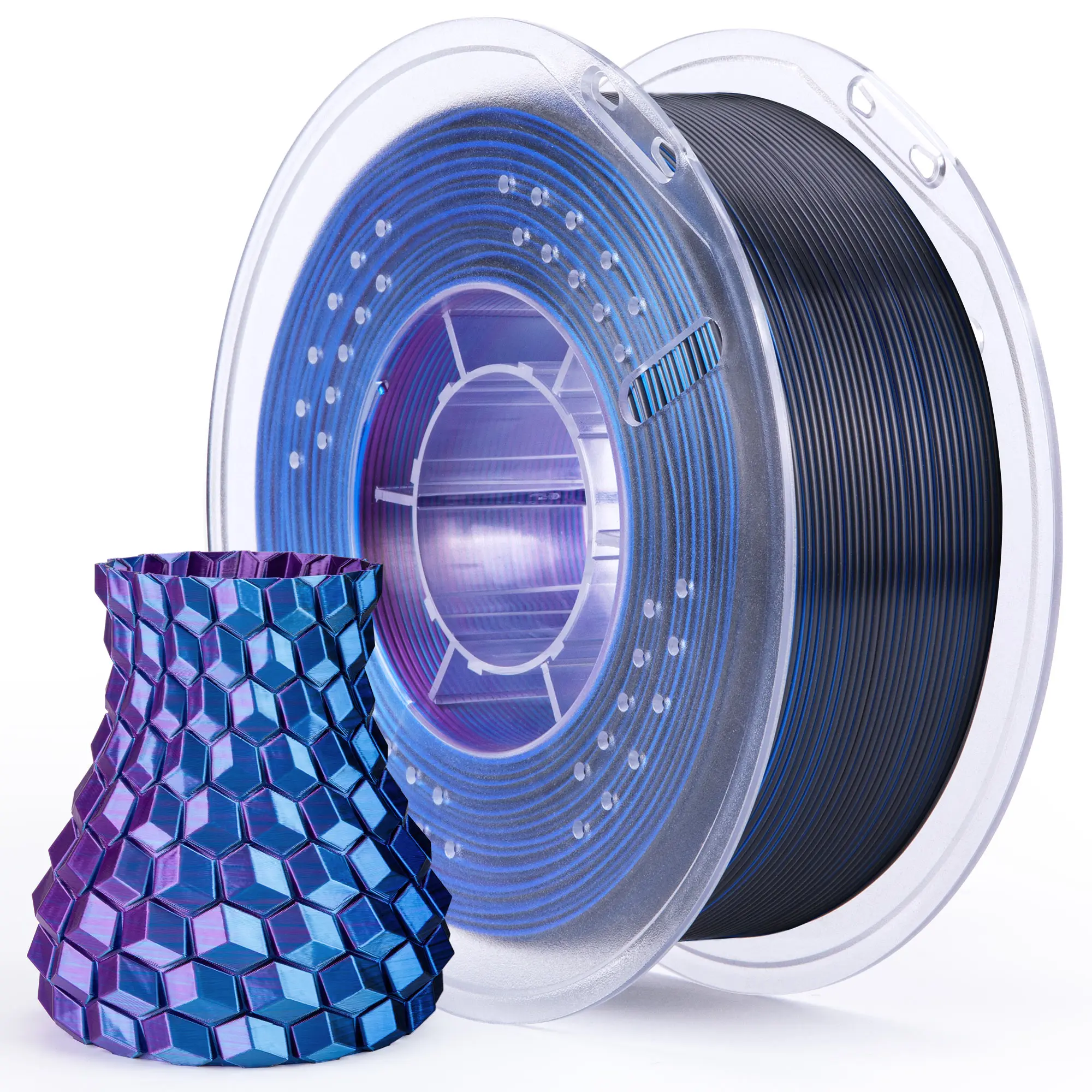
3D filament is the material used in 3D printing to create three-dimensional objects. It comes in various types, colors, and compositions, allowing for diverse applications in different industries.
Featured brands
Authenticated productsVerified shops




Elegoo Official

5.0
42 sold
-34%$26.99$40.99


Creality official
5.0
717 sold
$19.99


5.0
126 sold
-22%$16.29$20.99


5.0
13 sold
-10%$8.99$9.99


Related Searches
Related Categories
Introduction
3D filament is a crucial component in the world of 3D printing, serving as the primary material for creating intricate designs and prototypes. Available in a wide array of types, including PLA, ABS, and PETG, 3D filament caters to various printing needs and preferences. With proven quality and customer-approved options, 3D filament has become a favorite among hobbyists and professionals alike.
When selecting 3D filament, consider the following key aspects:
When selecting 3D filament, consider the following key aspects:
- Material Type: Different filaments offer unique properties, such as flexibility, durability, and heat resistance.
- Diameter: Common diameters include 1.75mm and 2.85mm, which must match your 3D printer specifications.
- Color Variety: 3D filament comes in numerous colors, allowing for creative expression in your projects.
- Printability: Some filaments are easier to work with than others, affecting the overall printing experience.