biodegradable 3d printer filament
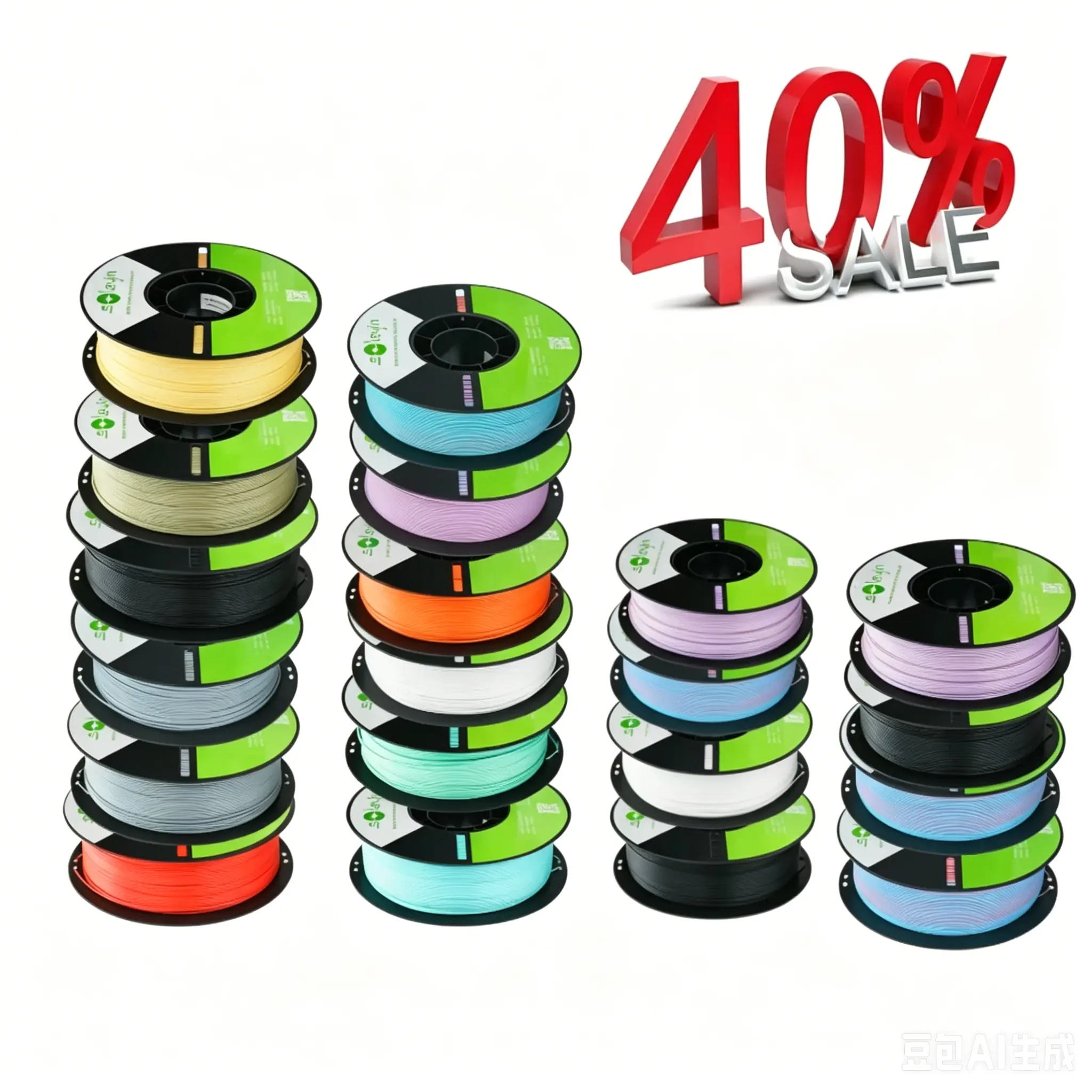
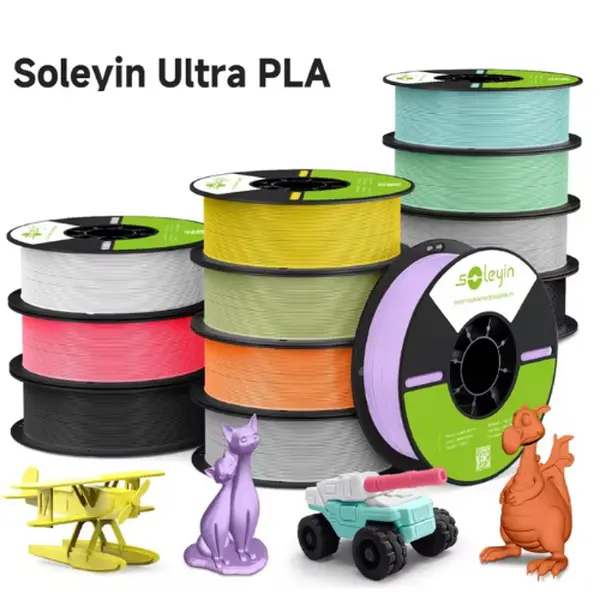
Biodegradable 3D printer filament is an eco-friendly material used for 3D printing that decomposes naturally, reducing environmental impact. It is made from renewable resources and is designed to break down under specific conditions, making it a sustainable choice for both hobbyists and professionals.
Featured brands
Authenticated productsVerified shops






5.0
146 sold
-50%$9.25$18.49


Related Searches
Related Categories
Introduction
In the world of 3D printing, the demand for sustainable materials is growing rapidly. Biodegradable 3D printer filament is at the forefront of this movement, offering an environmentally friendly alternative to traditional plastics. Made from renewable resources like cornstarch or sugarcane, this filament not only prints beautifully but also decomposes naturally when disposed of properly. As shoppers become more conscious of their environmental footprint, opting for biodegradable filament is a smart choice for those looking to reduce waste.
Using biodegradable 3D printer filament can enhance your printing experience while contributing positively to the planet. This type of filament is compatible with most 3D printers and comes in various colors and finishes, allowing for creative freedom without compromising on sustainability.
When choosing biodegradable filament, look for reputable brands that ensure quality and performance. Additionally, consider the specific properties of the filament, such as its temperature resistance and ease of use, to find the perfect match for your project.
With the rise of eco-conscious consumers, integrating biodegradable 3D printer filament into your printing practices not only showcases your commitment to sustainability but also positions you as a forward-thinking innovator in the 3D printing community. Make the switch today and print with purpose!
Using biodegradable 3D printer filament can enhance your printing experience while contributing positively to the planet. This type of filament is compatible with most 3D printers and comes in various colors and finishes, allowing for creative freedom without compromising on sustainability.
When choosing biodegradable filament, look for reputable brands that ensure quality and performance. Additionally, consider the specific properties of the filament, such as its temperature resistance and ease of use, to find the perfect match for your project.
With the rise of eco-conscious consumers, integrating biodegradable 3D printer filament into your printing practices not only showcases your commitment to sustainability but also positions you as a forward-thinking innovator in the 3D printing community. Make the switch today and print with purpose!