- TikTok Shop
- Home Improvement
- Garden Supplies
- Live Plants
- Sweet Sapphire Moonlight Tear Grape Vine Starter Plant – Easy Grow Blue Table Grapes for Home Garden, Climbing Fruit Vine for Patio, Arbor & Vertical Gardening


About this product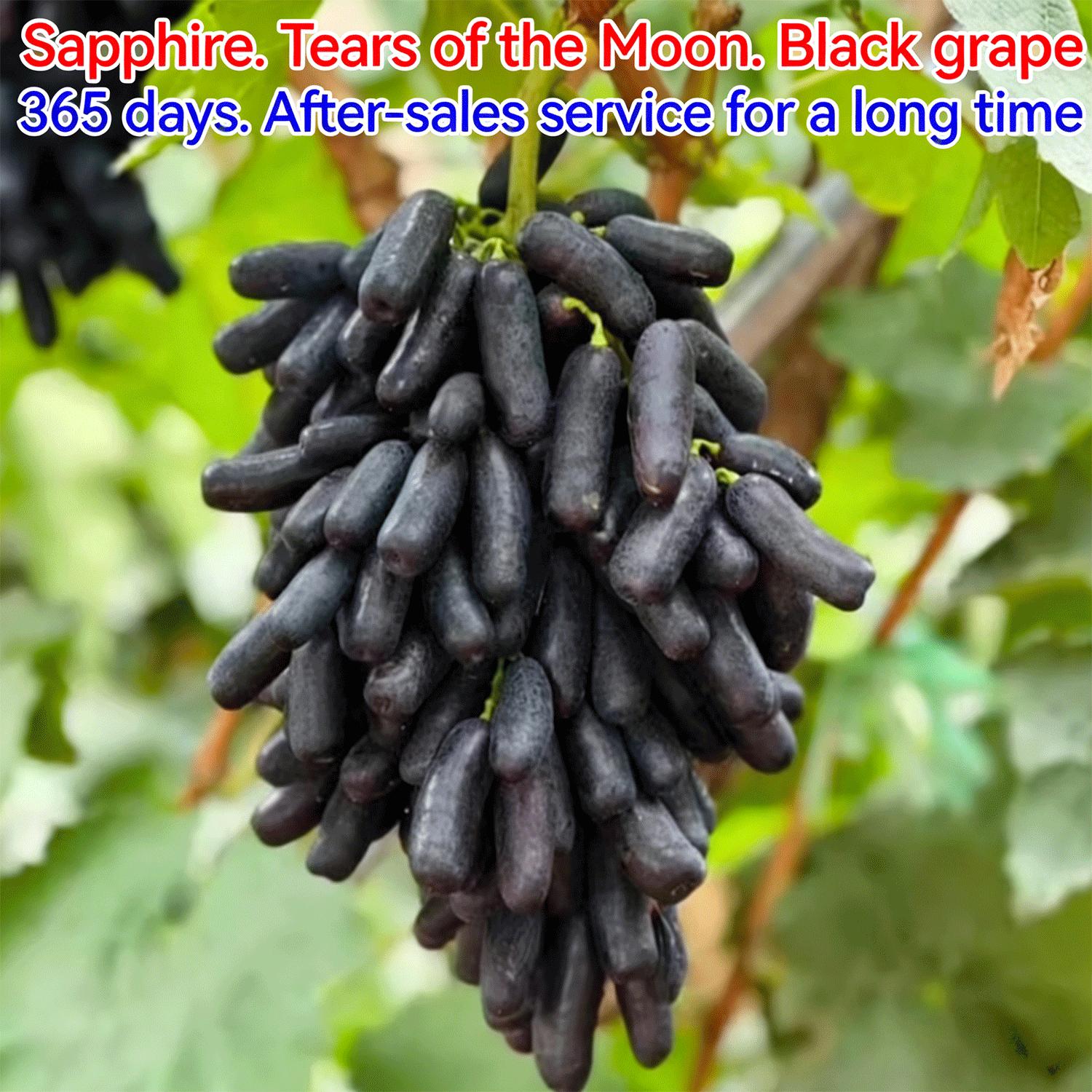

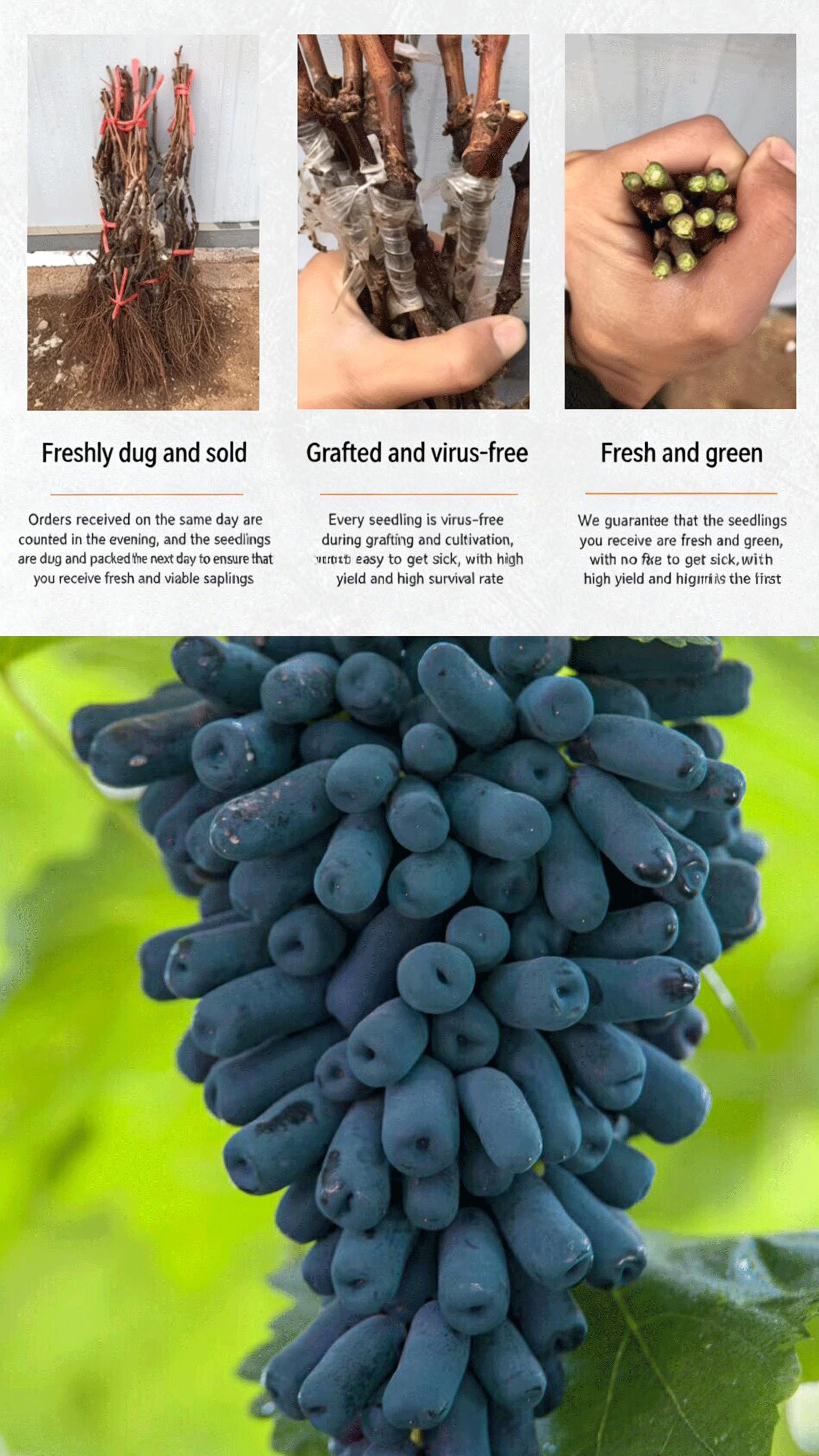
Product description
Product Description
Sweet Sapphire Moonlight Tear Grape Vine Starter Plant is a unique blue table grape variety known for its sweet flavor and striking color. This grape vine is ideal for home gardeners who want to grow a climbing fruit plant in their backyard, patio, or small garden space. With proper care and support, the vine grows vigorously and can be trained along trellises, arbors, fences, or other vertical structures, providing both attractive foliage and delicious fruit.
Plant Characteristics
Sweet Sapphire Moonlight Tear grapes are valued for their vibrant blue berries and sweet, juicy taste. The vine has a climbing growth habit and can be planted directly in the ground or in large containers with good drainage. Its ornamental leaves and attractive fruit make it suitable for decorative garden spaces as well as productive fruit-growing areas.
Growing Requirements
Choose a location with full sun for optimal growth and fruit development. Well-drained soil is recommended to support strong root systems. Provide a sturdy trellis, arbor, or fence to guide the vine as it grows. Regular watering during the growing season and seasonal pruning during dormancy will help maintain plant structure and encourage healthy growth.
This grape variety is suitable for USDA growing zones where table grapes are commonly cultivated. In cooler climates, seasonal protection may be needed to maintain plant health during winter months.
Who It’s Suitable For
This plant is ideal for home gardeners, backyard growers, patio planters, and beginner growers interested in table grapes. It works well in small and medium garden spaces, home orchards, suburban yards, and vertical or container gardening projects.
What You Will Receive
One live Sweet Sapphire Moonlight Tear Grape Vine seedling. Plant size and appearance may vary depending on the season and growth stage. Plants may be shipped dormant or actively growing depending on seasonal conditions.
Care Notice
This is a live plant. Growth and performance depend on proper planting, sunlight exposure, soil conditions, watering, and ongoing care. Results may vary based on local climate and individual maintenance practices.
View more
$69.99
Free shipping
Sweet Sapphire Moonlight Tear Grape Vine Starter Plant – Easy Grow Blue Table Grapes for Home Garden, Climbing Fruit Vine for Patio, Arbor & Vertical Gardening
15 sold
Size:a sapling
a sapling two sapling
Quantity:
Coupon center
Log in to check your coupons
View and claim any available offers once you're logged in.
Shipping & returns
Shipping & delivery
Many items qualify for free shipping or become eligible once the order threshold is met.
Returns made easy
Most items are eligible for free returns within 30 days of delivery for a refund. Some items, including ingestibles, hygiene products, and pre-owned goods, are non-returnable. Final sale items cannot be returned or replaced.
About this shop

Vireo Proro
3.7
3375 Sold
1.8K+ Followers
74%24h response rate
62%Ships within 2 days
66%Positive feedback
Visit
Shop review


Videos for this product
Creator earns commission

Rosalind Gardening
173
Explore more from Vireo Proro


