- TikTok Shop
- Computers & Office Equipment
- Office Equipment
- 3D Printing Supplies
- PPA CF 3D High Speed Printing Filament, Temperature & Moisture Resistant Carbon Fiber Strengthened PPA Most FDM Printers Filament, Super Stiffness & Metal Replacement PPA-CF Filament, Lightweight & Ultra Strong PPA CF Filament For Machinery Industries


About this product



Product description
IPCON PPA CF – Strong Carbon Fiber · Heat & Moisture Resistant
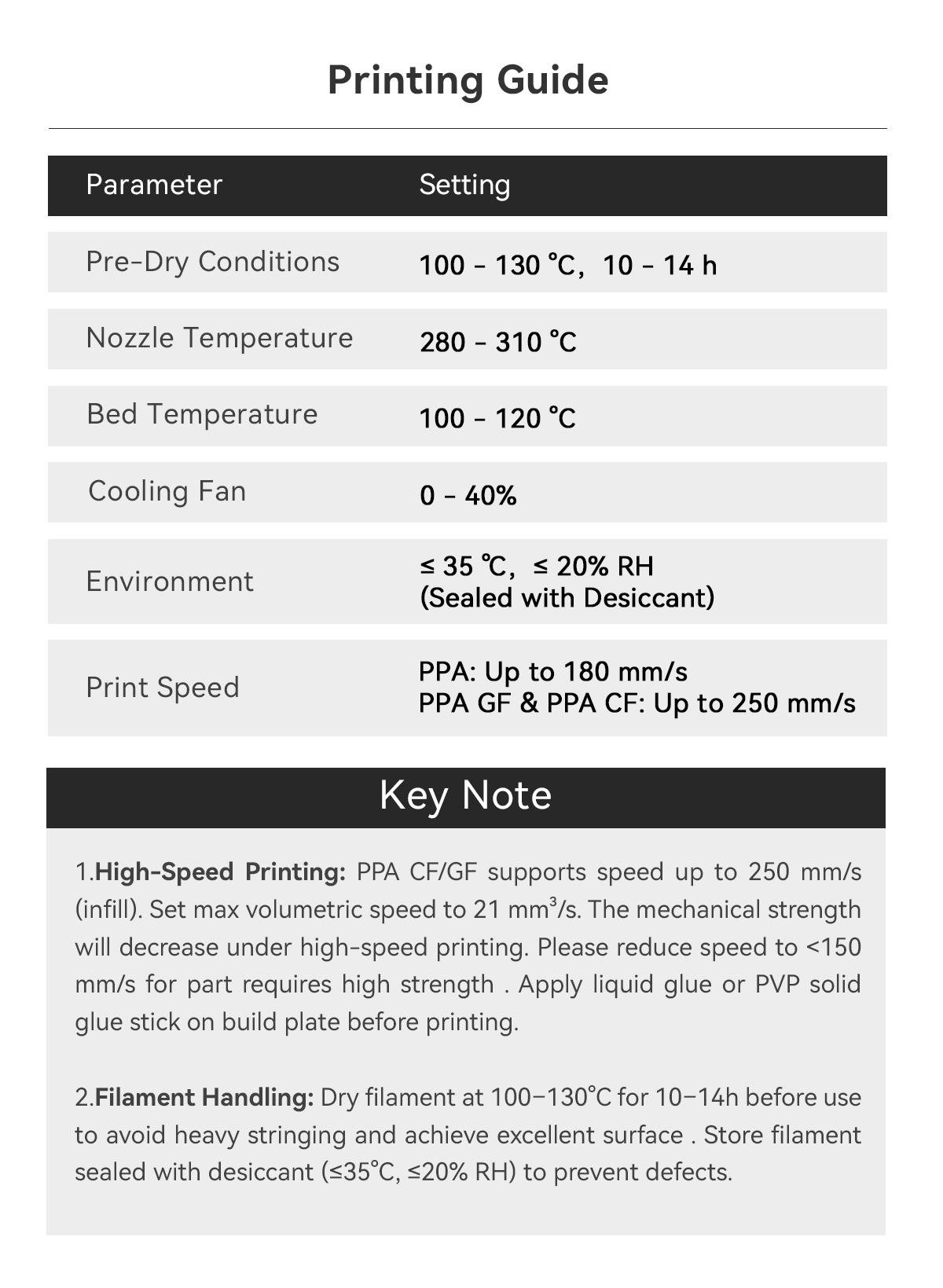
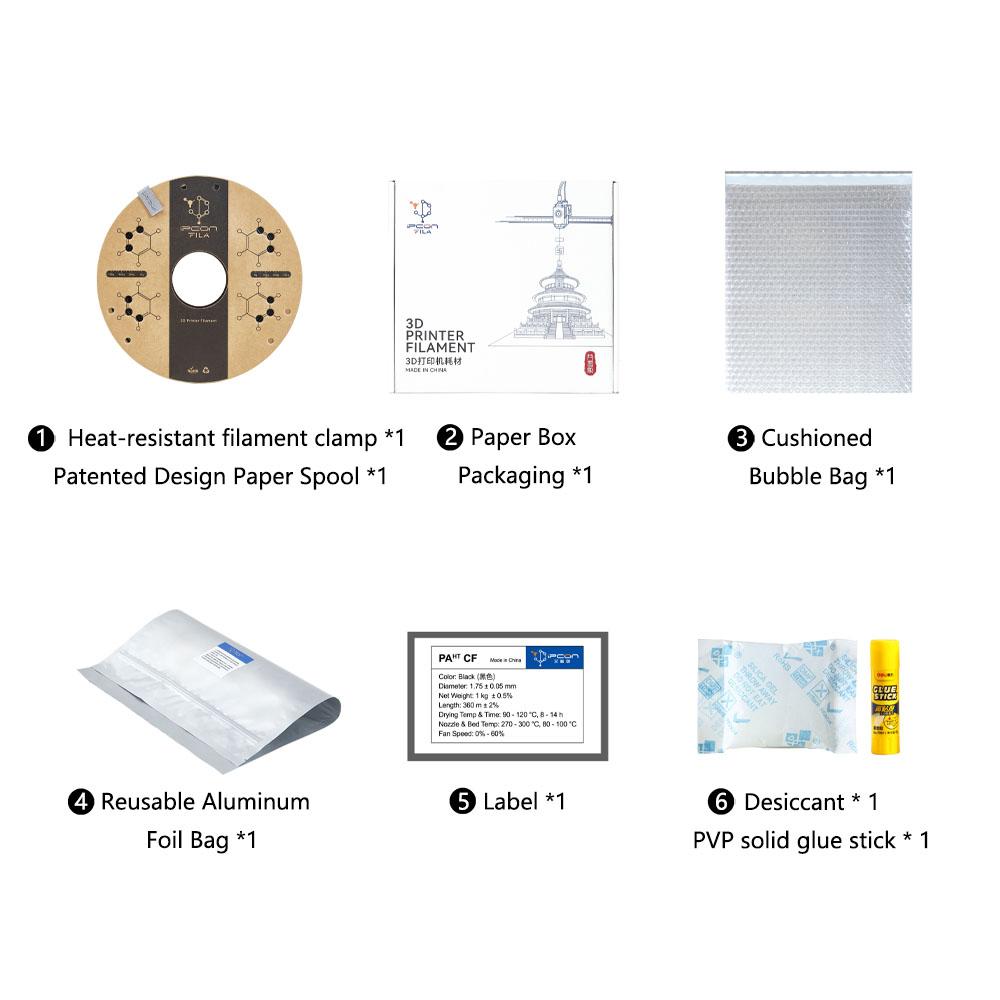
Engineered for high-performance applications, PPA CF combines the strength of carbon fiber reinforcement with exceptional thermal and moisture resistance. This advanced filament delivers rigid, dimensionally stable prints perfect for demanding industrial environments. Experience superior layer bonding and reliable automatic feeding for consistent, professional results.
Ultra-High Mechanical Performance
Redefining Structural Possibilities
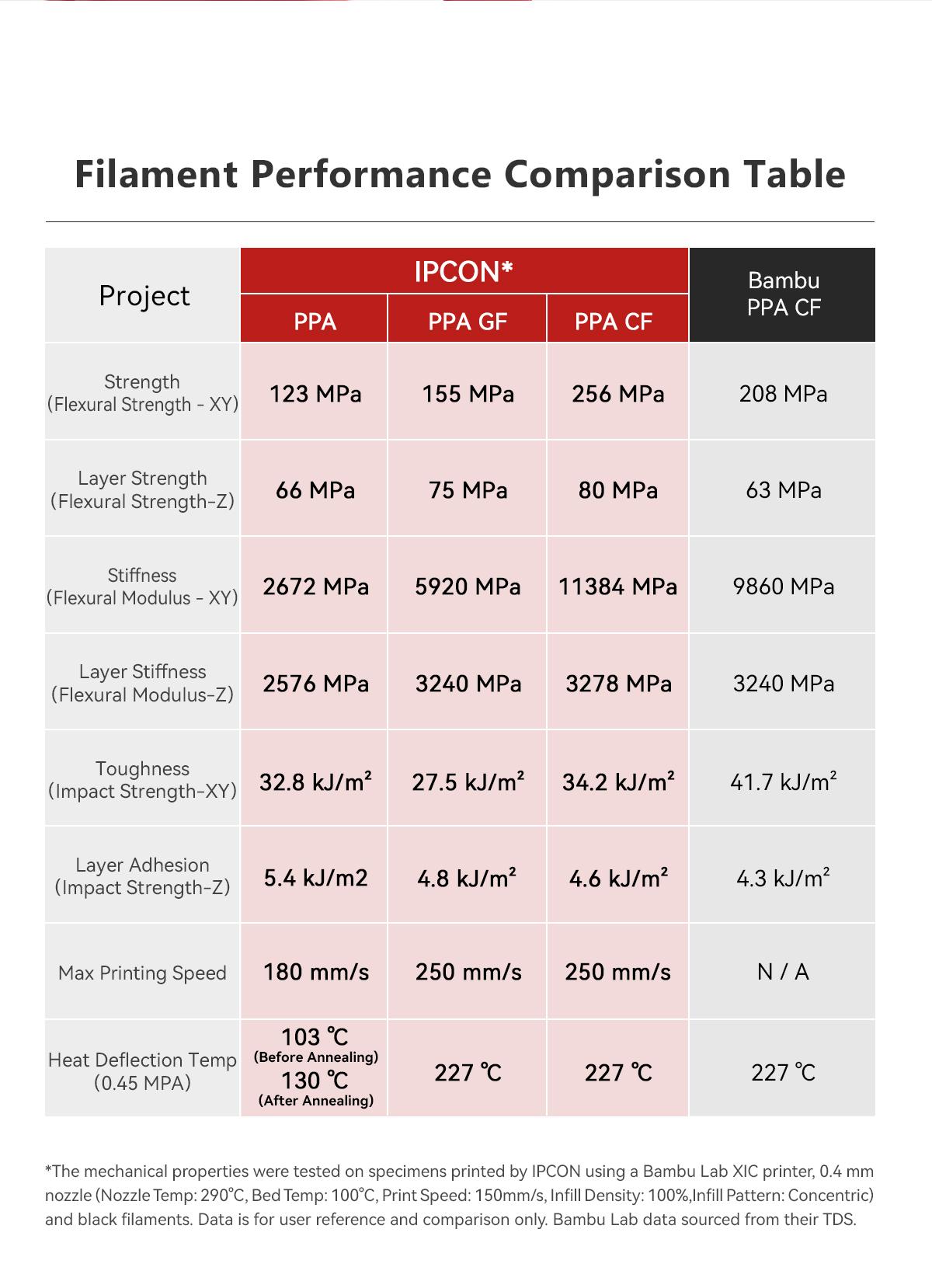
IPCON PPA CF filament boasts near-metallic strength, with XY-axis flexural strength exceeding 250 MPa and a modulus of up to 11 GPa. IPCON PPA GF filament offers balanced stiffness and toughness with excellent insulation properties. Both can replace traditional metal components, enabling lightweight design to reduce costs, improve efficiency, and minimize industrial spare parts.
Extreme Temperature and Moisture Resistance
Challenging Harsh Environments
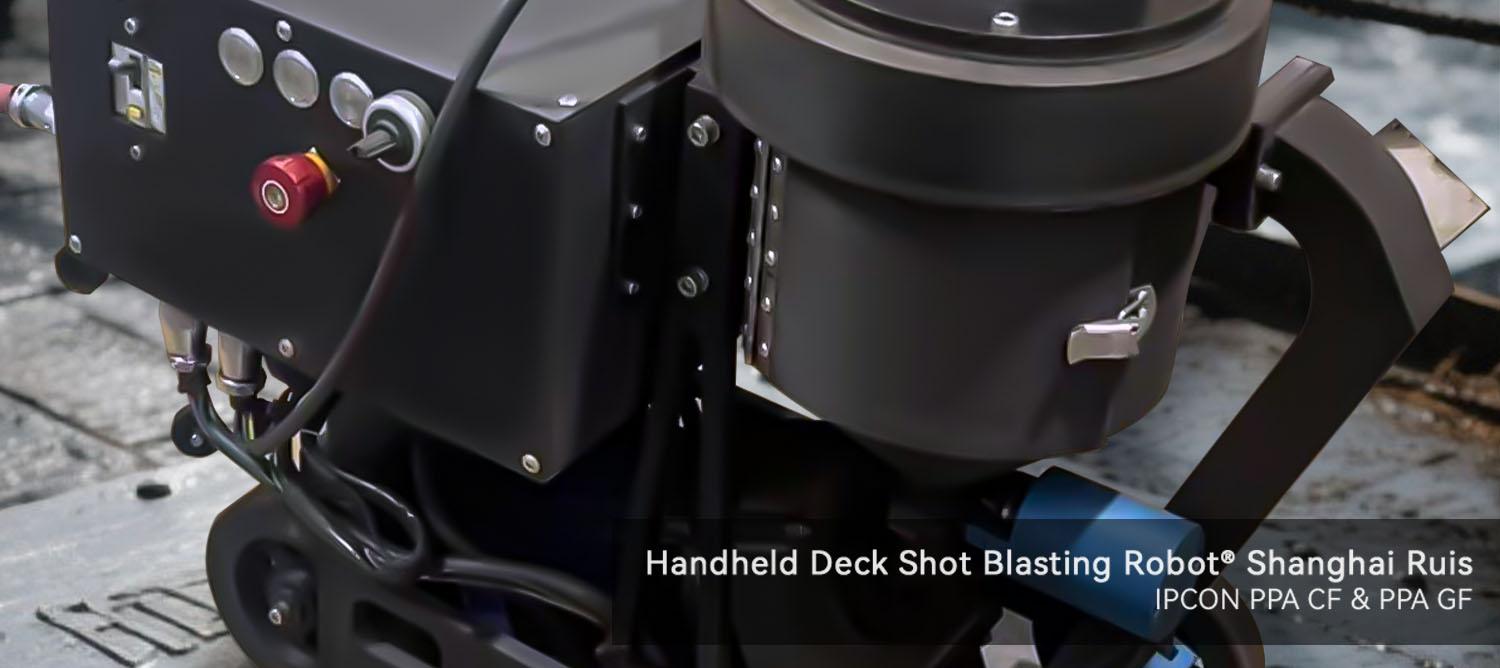
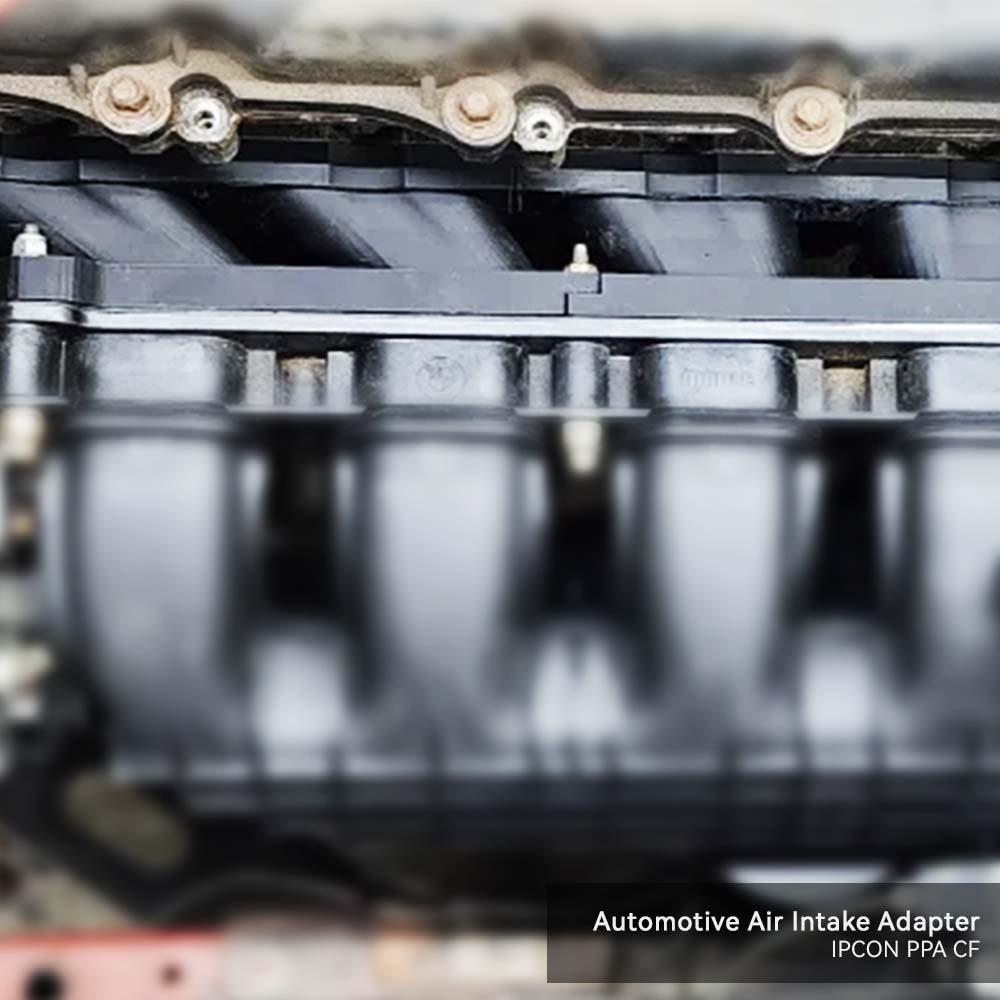
PPA (Polyphthalamide) material inherently possesses exceptional heat resistance and hydrolysis resistance. The IPCON PPA family can withstand long-term exposure to high-temperature environments above 120°C, while the short-term peak temperature resistance of PPA CF and PPA GF exceeds 220°C. Strength degradation in wet conditions is only 3%, making it ideal for extreme applications such as high-temperature filament clips, high-temperature and high-humidity components in industrial equipment, and automotive engine compartments.
Ultra-Low Warping
Rock-Solid Precision
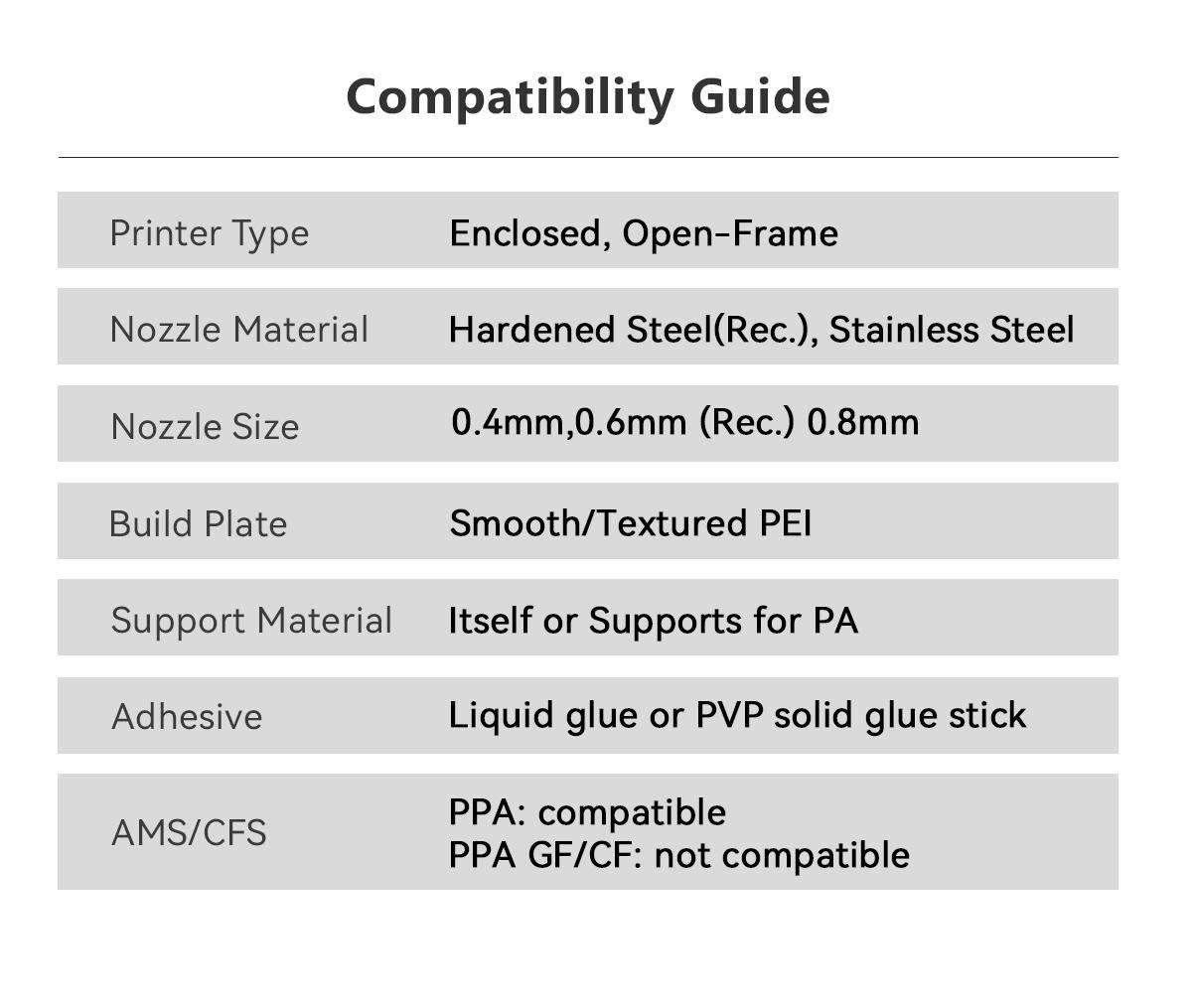
Leveraging customized polymer control technology and fiber reinforcement modification technology from a century-old German materials giant, IPCON PPA CF and PPA GF reduce warping and shrinkage during printing to industry-leading levels. Capable of high-speed printing at 250 mm/s, no heated build plate is required for printing, making it compatible even with entry-level A1 printers. With a printing shrinkage rate of < 0.3 mm/100 mm, complex structures can be formed in a single process, entirely eliminating the need for CNC machining losses.
View more
$143.24
Free shipping
PPA CF 3D High Speed Printing Filament, Temperature & Moisture Resistant Carbon Fiber Strengthened PPA Most FDM Printers Filament, Super Stiffness & Metal Replacement PPA-CF Filament, Lightweight & Ultra Strong PPA CF Filament For Machinery Industries
0 sold
Color:Black
BlackSize:750 g
750 g
Quantity:
Coupon center
Log in to check your coupons
View and claim any available offers once you're logged in.
Shipping & returns
Shipping & delivery
Many items qualify for free shipping or become eligible once the order threshold is met.
Returns made easy
Most items are eligible for free returns within 30 days of delivery for a refund. Some items, including ingestibles, hygiene products, and pre-owned goods, are non-returnable. Final sale items cannot be returned or replaced. Please log in to view this item's specific return policy.
About this shop

IPCON
Visit
Videos for this product
Promotional content

IPCON Global
7
IPCON Global
3
Explore more from IPCON


You may also like





hpsprocket
4.7
6.7K sold
$11.90
dot. cards
4.4
7.0K sold
-11%$32.16$36.00


Bell and Howell
4.2
5.2K sold
-22%$14.00$17.86

Renegade Products
4.7
5.5K sold
-25%$40.00$53.40

Scrub Daddy
4.9
12.1K sold
$17.68

