- TikTok Shop
- Toys & Hobbies
- Electric & Remote Control Toys
- Cars, Lorries & Trains
- FMS 1:10 Ford F100 Monster Truck RTR Rc Model Car Remote Diecast Cars Racing Car Model Diecast Wheels


4.1
26 global reviews
5
20
4
0
3
0
2
1
1
5
Photos from reviews


N**s i** p**1 k**y

N**s i** p**1 k**y

N**s i** p**1 k**y


A**n ** ☀**

A**n ** ☀**

A**n ** ☀**


A**y G**a


B**X


B**c


T** A**a
Sort by
Recommended
Filter by
All
Displaying 26 of 26 reviews
Reset filters
N**s i** p**1 k**y
·
Verified purchase
US
The truck is awesome. The wench not very strong. Disappointed in that! I’m also look for the connection for the up grading battery I bought?in real life I drive nothing but FORDS!
Item:
Black2026-03-09
A**n ** ☀**
·
Verified purchase
US
The best RC truck you can buy for less than $200, quality is there and so is functionality. It’s fast, it wheelies and it looks amazing.
Item:
High Roller2026-01-02
E**💜
·
Verified purchase
US
Item was defective and seller wanted me to pay for replacement part… is been a month waiting for approval on returning the item
Item:
Black2026-01-24

s**0
·
Verified purchase
US
Not a good truck to get it all fms has cheap ass RC vehicles then they won't give you a refund when the s*** comes broke all they want is your money and whatever they send you you have to deal with on your own so f*** fm I don't recommend no one to buy anything for fms they are not right

Item:
Black2025-05-29
A**y G**a
·
Verified purchase
US
Perfect and everything as described. This truck is faster then I thought it literally will do wheelie when you accelerate it lol
Item:
First Blood2025-05-23
B**X
·
Verified purchase
US
FAST DELIVERY AND I LOVE MY NEW TOY 🫶🏽🙌🏽🔥🔥🔥🔥
Item:
Black2025-05-21
B**c
·
Verified purchase
US
Awesome rc truck! Very happy with this, it’s a true 1/10th scale monster truck at a great price!
Item:
First Blood2025-04-01
T** A**a
·
Verified purchase
US
Very good product just what I was hoping for
Item:
First Blood2025-04-28
T**y
·
Verified purchase
US
Truck is broken used maybe 20 mins steering won’t work after a few small jumps
Item:
Black2026-02-21

F**️ 4**y A**a
·
Verified purchase
US
I purchased this item didn’t want it once I received customer service is really terrible don’t recommend buying it unless your are 100 percent sure you don’t want to return because I have Been trying to return for more than a week and seller keeps denying my return request thank you just a heads up
Item:
Black2026-01-08

J** J**s
·
Verified purchase
US
Steering broke first time using
It. The bolt into the servo threads stripped.
Item:
Black2025-12-27

u**5
·
Verified purchase
US
This RC truck is awesome every penny well spent satisfied .
Item:
Black2025-12-15

l**8
·
Verified purchase
US
My steering broke way to easily idk why it was fun tho
Item:
Black2025-11-18

J**
·
Verified purchase
US
Ready to go straight out of the box so fast. The size is Big. It's the perfect toy to play with whether you're a child or an adult. Love it!
Item:
First Blood2025-05-25

B**P
·
Verified purchase
US
Awesome monster truck! I ended up grabbing 2 so we could race them in our yard 🤠
Item:
High Roller2025-05-07

T**e
·
Verified purchase
US
Loved it for two days and the steering broke
Item:
Black2025-11-22

T**4
·
Verified purchase
US
Haven't opened yet its for christmas
Item:
Black2025-12-08
u**0
·
Verified purchase
US
Looks great works awesome
Item:
Black2025-11-26

b**y b**m
·
Verified purchase
US
gud car 🚘 🦶
Item:
High Roller2025-07-19
R**a
·
Verified purchase
US
Perfect 👍👍
Item:
First Blood2025-06-27
About this product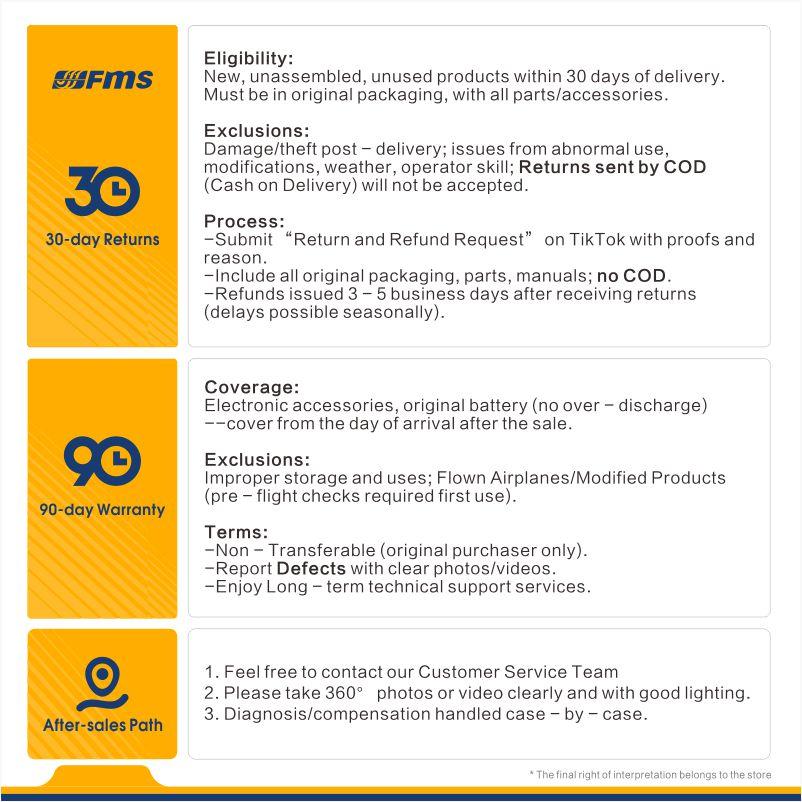
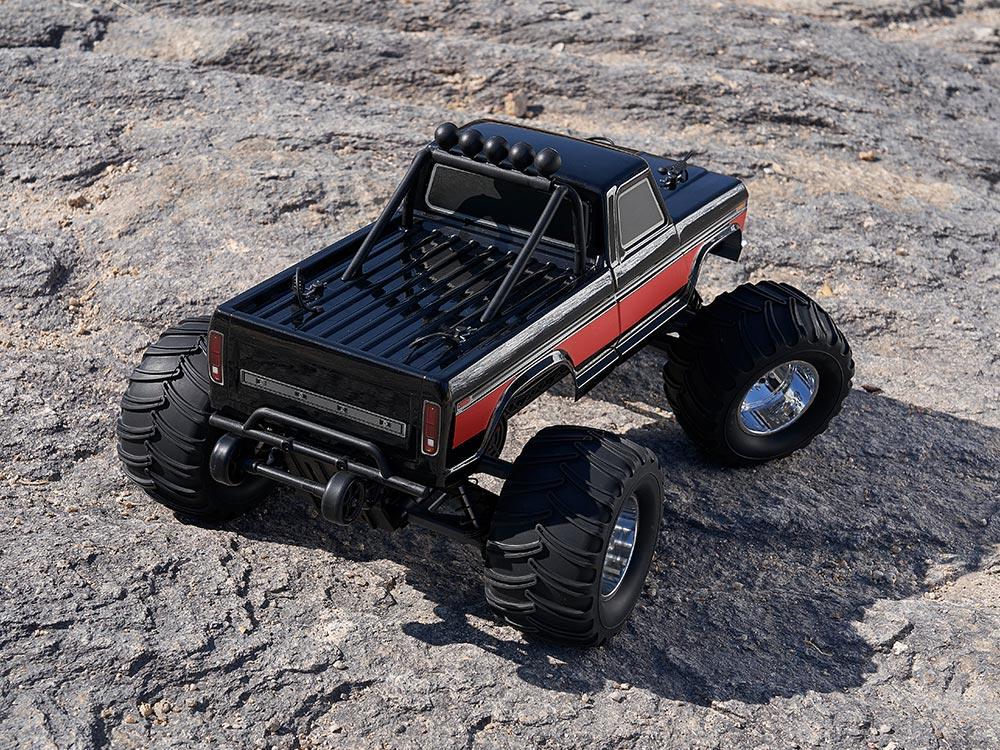
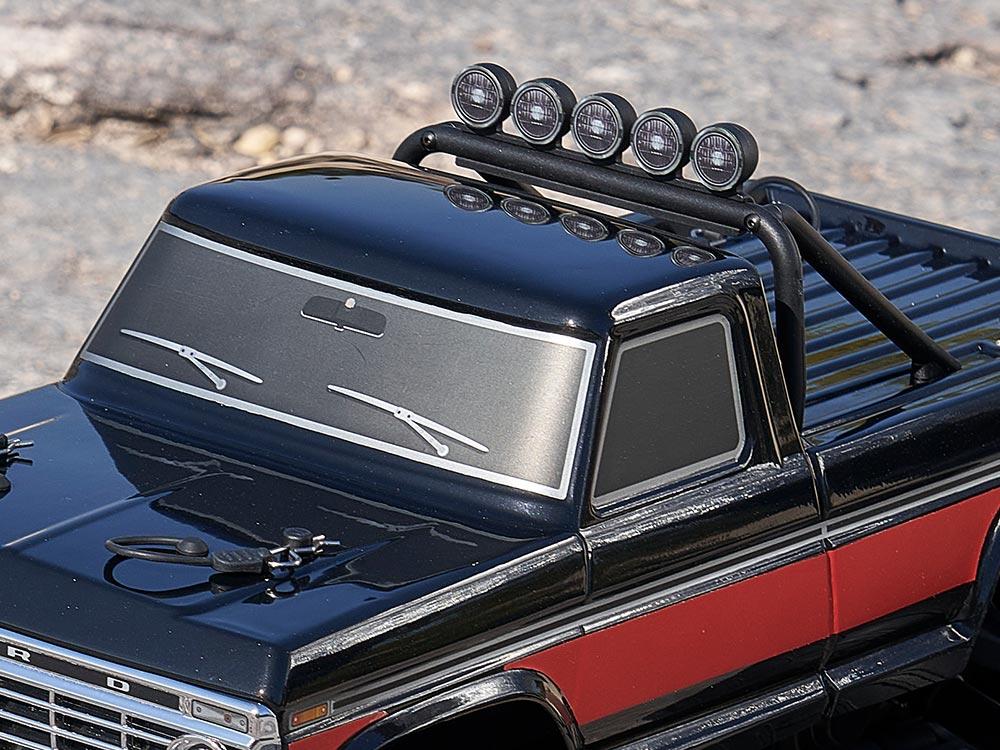
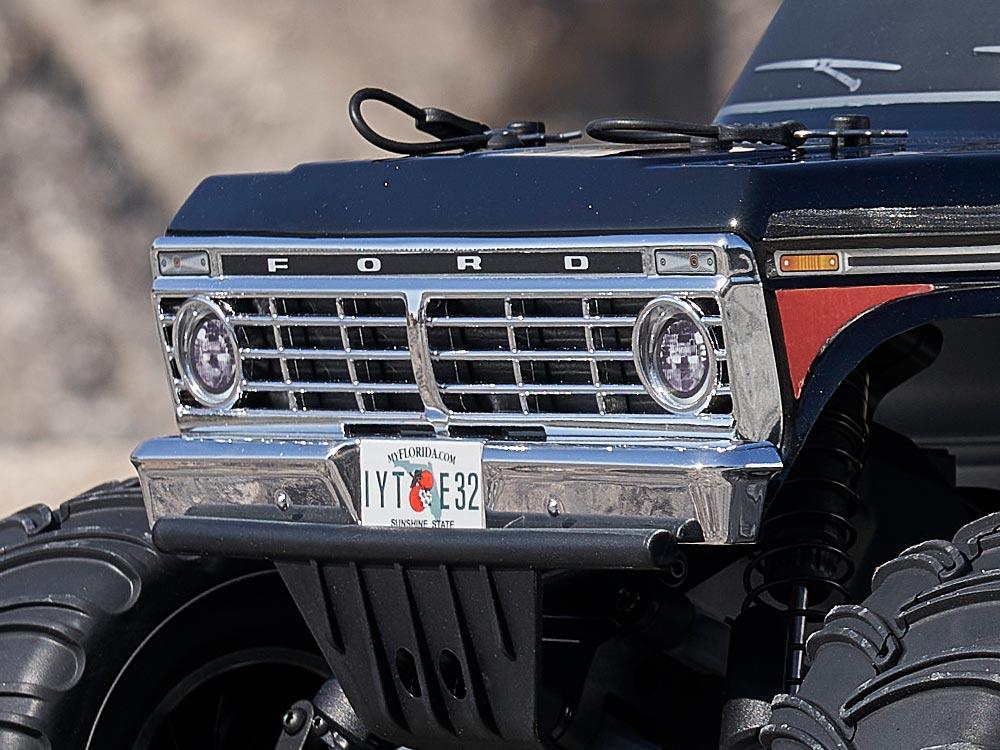
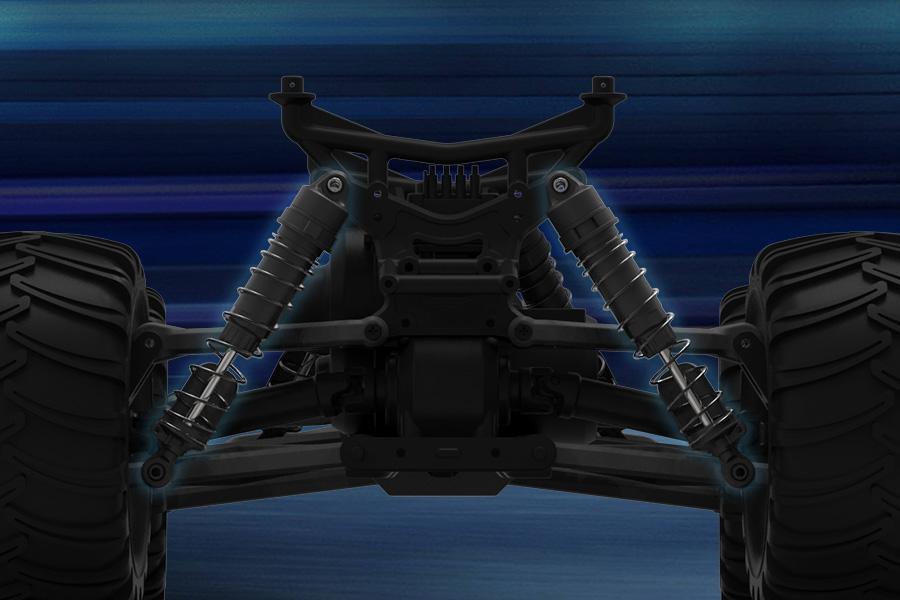
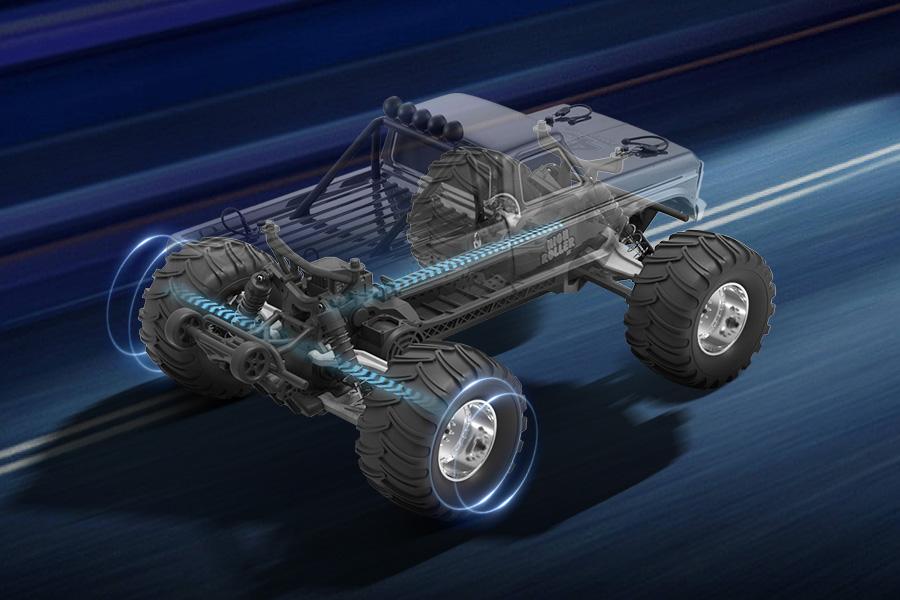
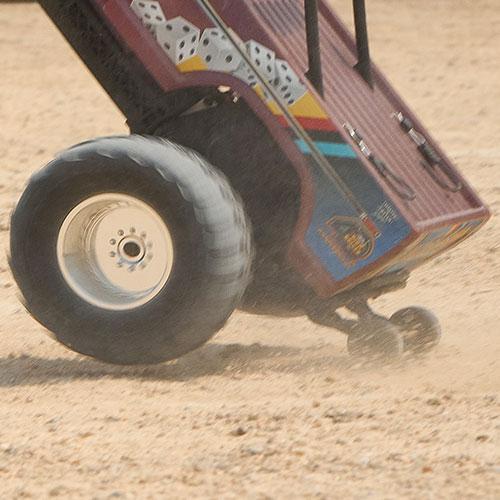
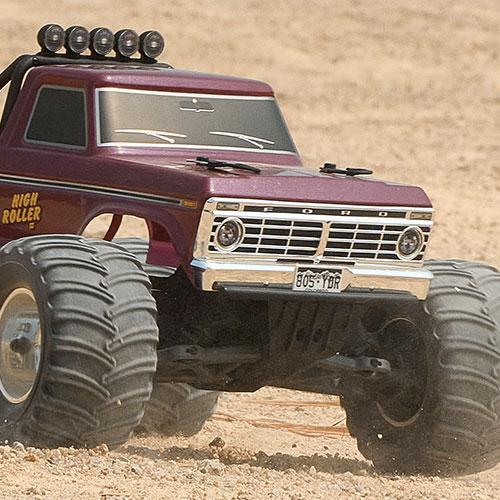
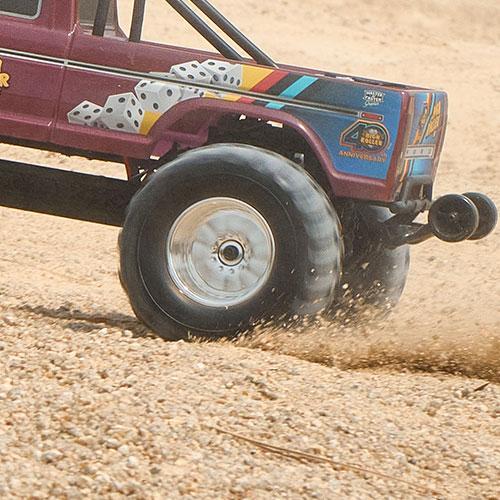
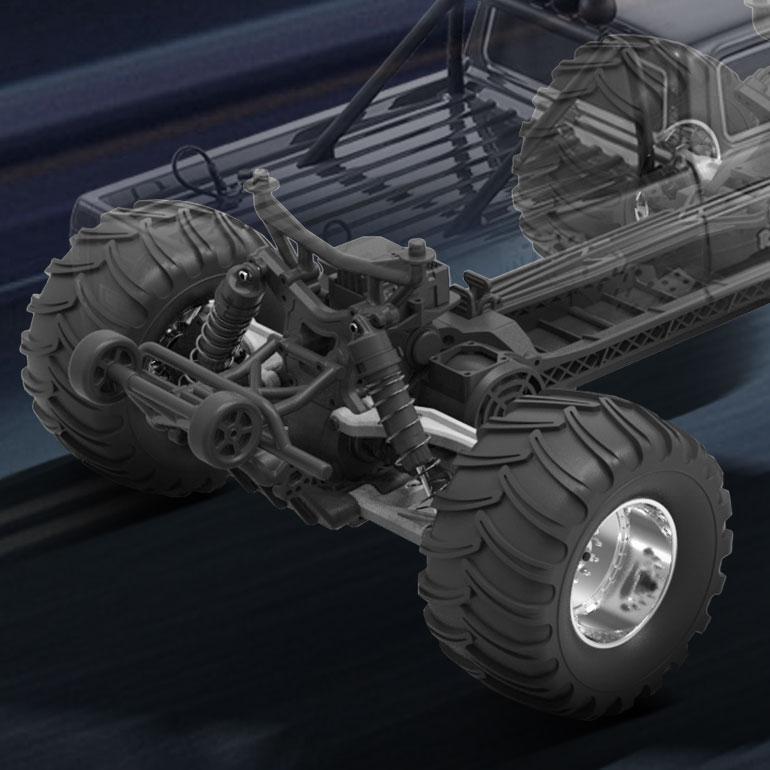
Product description
Background
The Ford F-Series can be dated back to the 1940s. After the end of World War II, the U.S. economy recovered quickly and market demand surged. The demand for pickup trucks was particularly strong in the farm, construction, and transportation industries, as business activity in these areas increased.
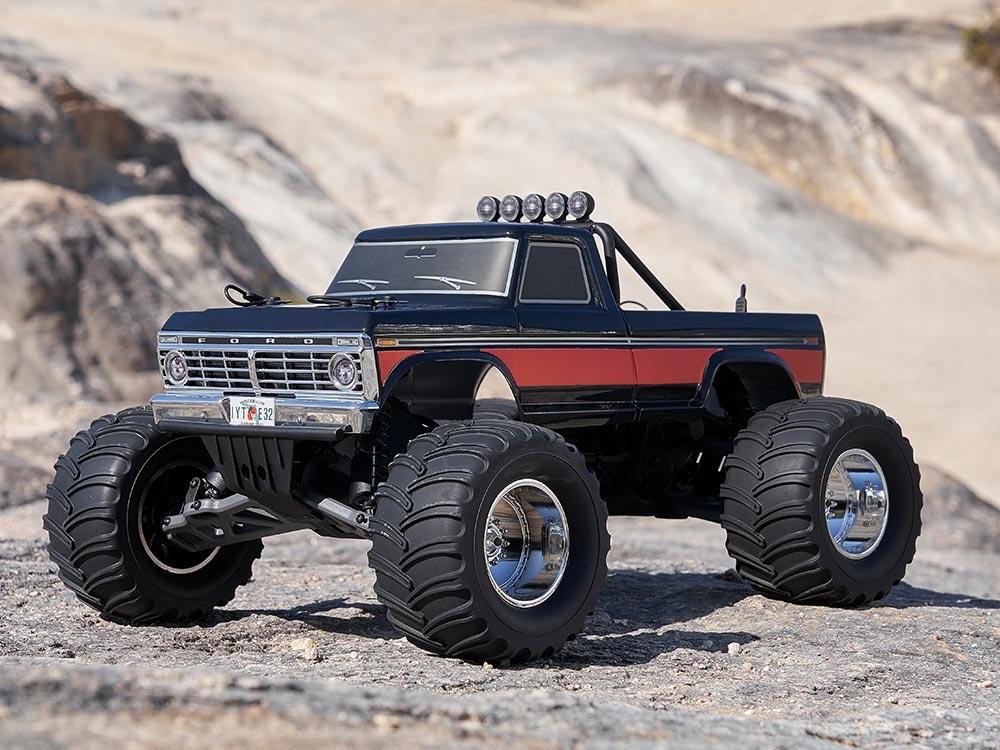
As the first of the sixth generation of F-Series pickup trucks, the 1973 Ford F100 stood out with distinctive body lines and striking front fascia design that emphasized a powerful aesthetic and a focus on utility. This generation introduced a unique ‘dent’ design that extended from the front to the rear, a feature that earned it the nickname ‘dentside’. It also featured an even more striking clamshell hood and an upgraded grille.
With its retro styling and mechanical reliability, Ford F100 became an iconic symbol of American pop culture. Not only has it been featured in movies, TV shows, and music videos, but it has also become a favorite among vintage car enthusiasts and collectors. Even today, there are still a large number of F100 fans and modification enthusiasts dedicated to preserving and customizing this model, keeping it alive and thriving in the classic car market.
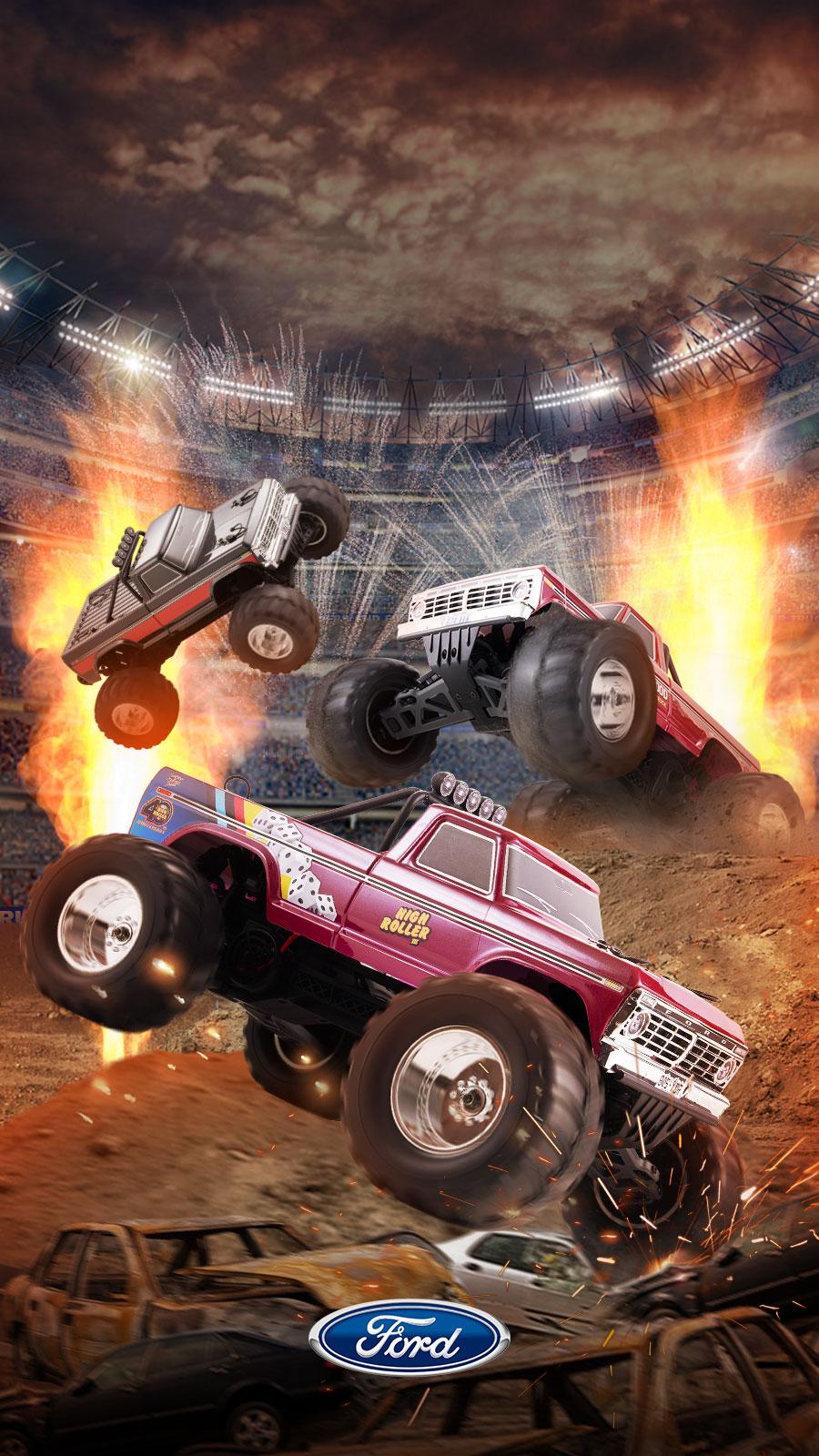
The concept of the monster truck began in the 1970s, when owners began modifying their pickup trucks to perform better in off-road competitions. Over time, monster truck culture has been integrated into the bloodline of American automotive culture, and has even made frequent appearances in movies, TV shows, and even video games, winning widespread attention and love.
View more
-18%$2**$2**Unlock price
Free shipping
FMS 1:10 Ford F100 Monster Truck RTR Rc Model Car Remote Diecast Cars Racing Car Model Diecast Wheels
4.2(26)
124 sold
Color:High Roller
High Roller First Blood
 Black
BlackQuantity:
Coupon center
Log in to check your coupons
View and claim any available offers once you're logged in.
Shipping & returns
Shipping & delivery
Many items qualify for free shipping or become eligible once the order threshold is met.
Returns made easy
Most items are eligible for free returns within 30 days of delivery for a refund. Some items, including ingestibles, hygiene products, and pre-owned goods, are non-returnable. Final sale items cannot be returned or replaced.
About this shop

3FunRC
4.4
10.2K Sold
183.5K+ Followers
98%24h response rate
54%Ships within 2 days
84%Positive feedback
Visit
Shop review


5.0
20 sold
-10%$359.99$399.99


5.0
167 sold
-75%$9.89$39.99
Videos for this product
Creator earns commission

Gary Marandola
4.1K
Creator earns commission

Eric Estep
3.2K
Creator earns commission

Ashton Frazier
1.9K
Creator earns commission
Ashton Frazier
1.6K
Creator earns commission
Ashton Frazier
1.3K
Creator earns commission

MyNamesMattLong
744
Creator earns commission
MyNamesMattLong
619
Creator earns commission
Ashton Frazier
515

3FunRC
500
Creator earns commission
MyNamesMattLong
477
Creator earns commission

almeida_air_conditioner
362
Creator earns commission

Lil RC Truck
358
Creator earns commission
MyNamesMattLong
325
Creator earns commission

Lu SkyWatcher
306
Creator earns commission

airgeeksrc
245
3FunRC
222
3FunRC
217
Explore more from 3FunRC


You may also like


People also searched for