yogut yogurt
Yogurt is a popular dairy product made by fermenting milk with specific bacterial cultures. Non-dairy yogurt alternatives are derived from plant-based sources, catering to those with dietary restrictions or preferences.
Featured brands
Authenticated productsVerified shops


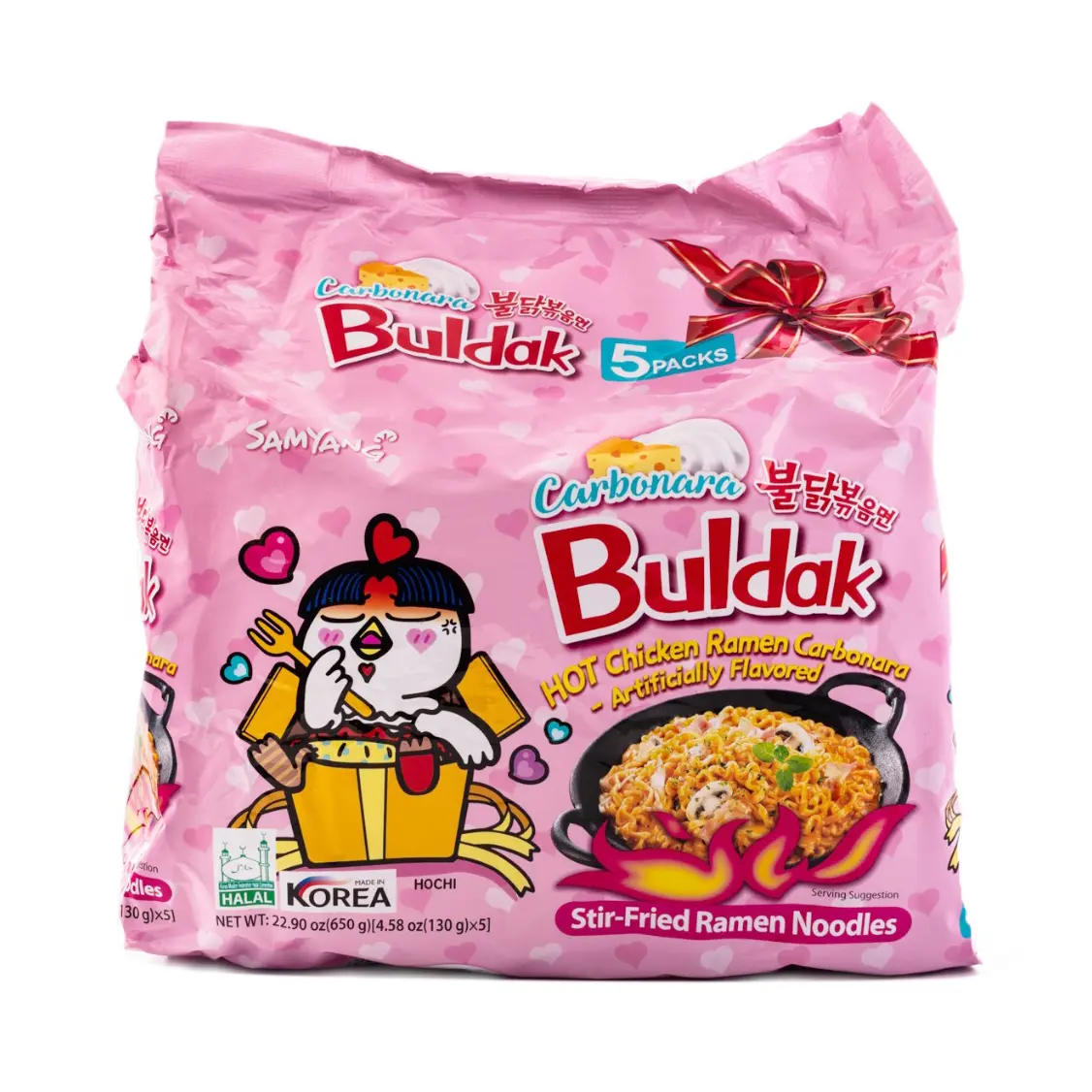

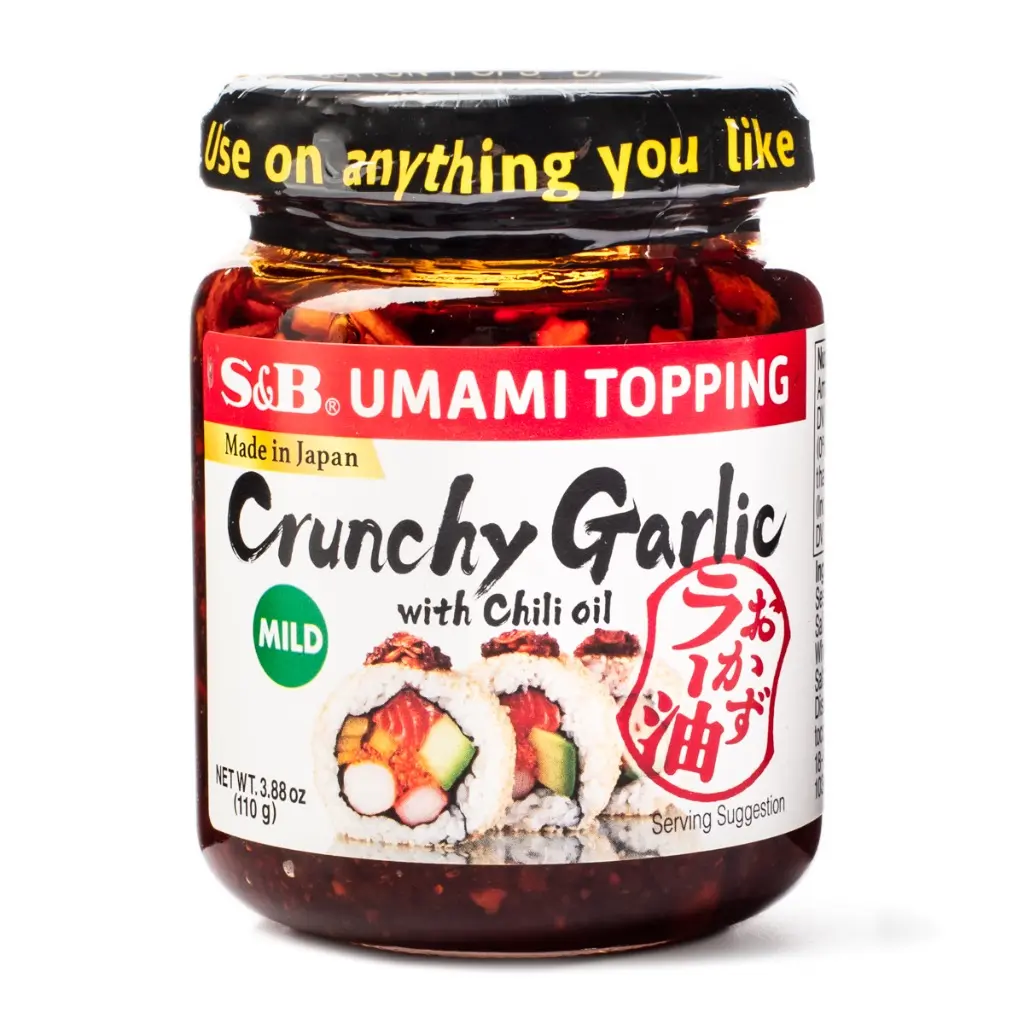

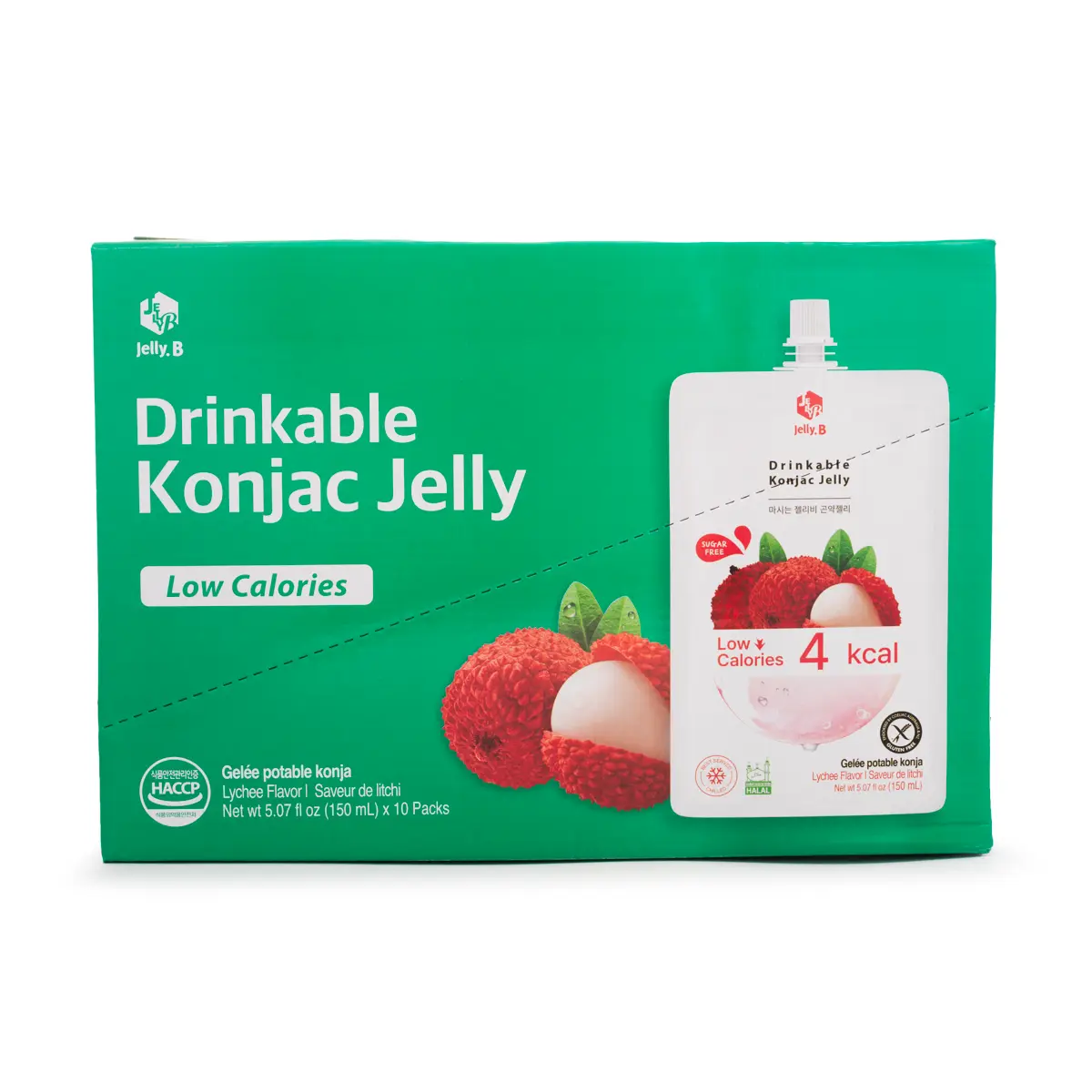
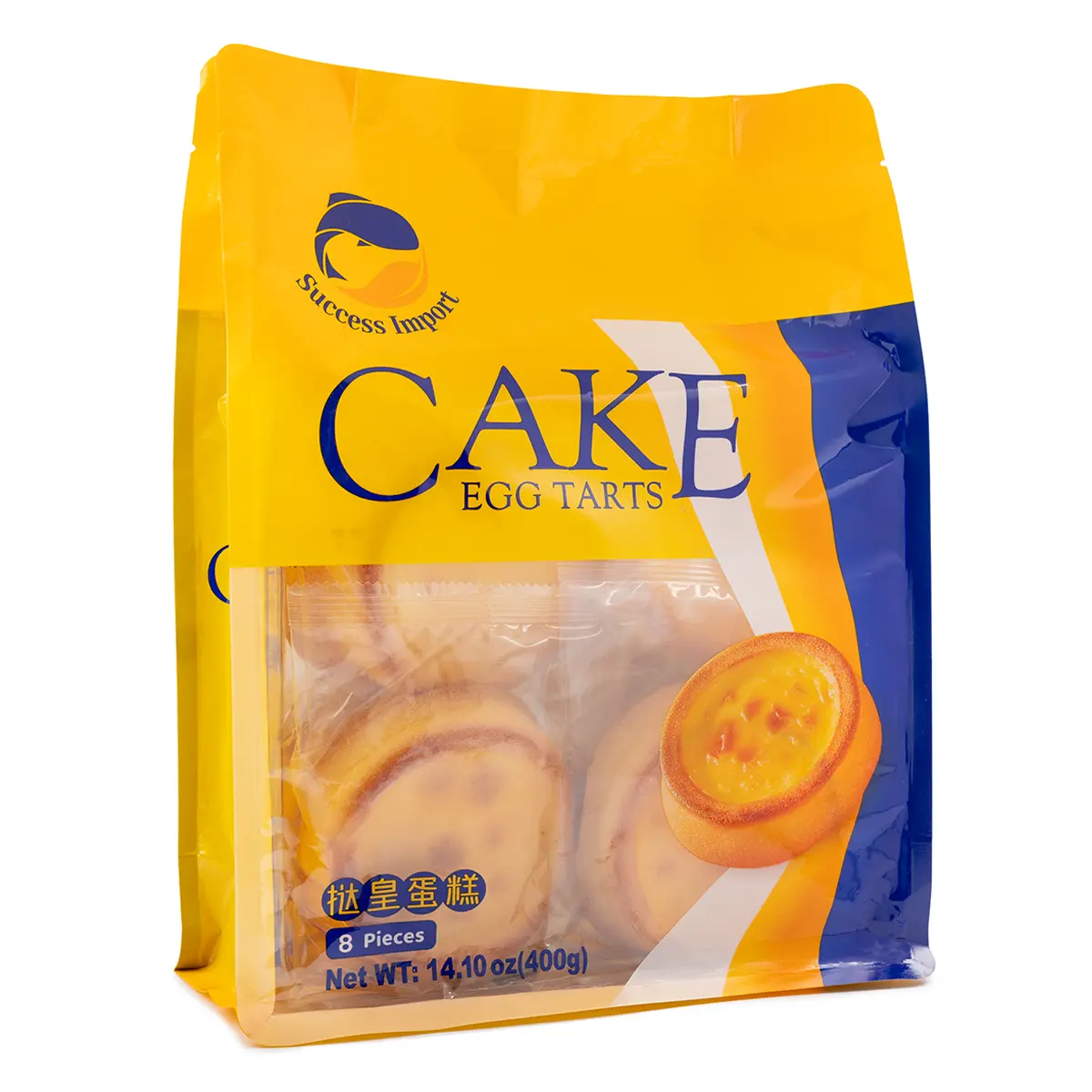


Weee Asian Supermarket

9 sold
$23.13


99 Ranch Market Online
8 sold
$24.99

Yami. Best of Asia
4.4
2.0K sold

$14.49


Yami. Best of Asia
4.0
11 sold
-38%$8.00$12.84


Related Categories
Introduction
Yogurt, particularly non-dairy yogurt, has gained immense popularity in recent years as more people seek healthier and lactose-free options. Non-dairy yogurt is typically made from plant-based milks such as almond, coconut, soy, or oat. This versatile product is not only a great source of probiotics, which support gut health, but it also provides a creamy texture that can be used in various recipes or enjoyed on its own.
Here are some key aspects to consider when exploring non-dairy yogurt options:
Here are some key aspects to consider when exploring non-dairy yogurt options:
- Health Benefits: Non-dairy yogurt can be rich in nutrients, often fortified with vitamins and minerals, making it a healthy addition to your diet.
- Flavor Variety: With many flavors available, from fruity to plain, there’s a non-dairy yogurt to satisfy every palate.
- Versatility: Use non-dairy yogurt in smoothies, as a topping for granola, or in baking, adding moisture and flavor to your dishes.
- Dietary Considerations: Ideal for vegans or those with lactose intolerance, non-dairy yogurt is a safe choice for many dietary restrictions.