weft
Weft refers to the horizontal threads woven into a fabric, which play a crucial role in determining the texture and strength of textiles. In the context of protective gear, understanding weft can help in selecting materials that offer the best protection and durability.
Featured brands
Authenticated productsVerified shops


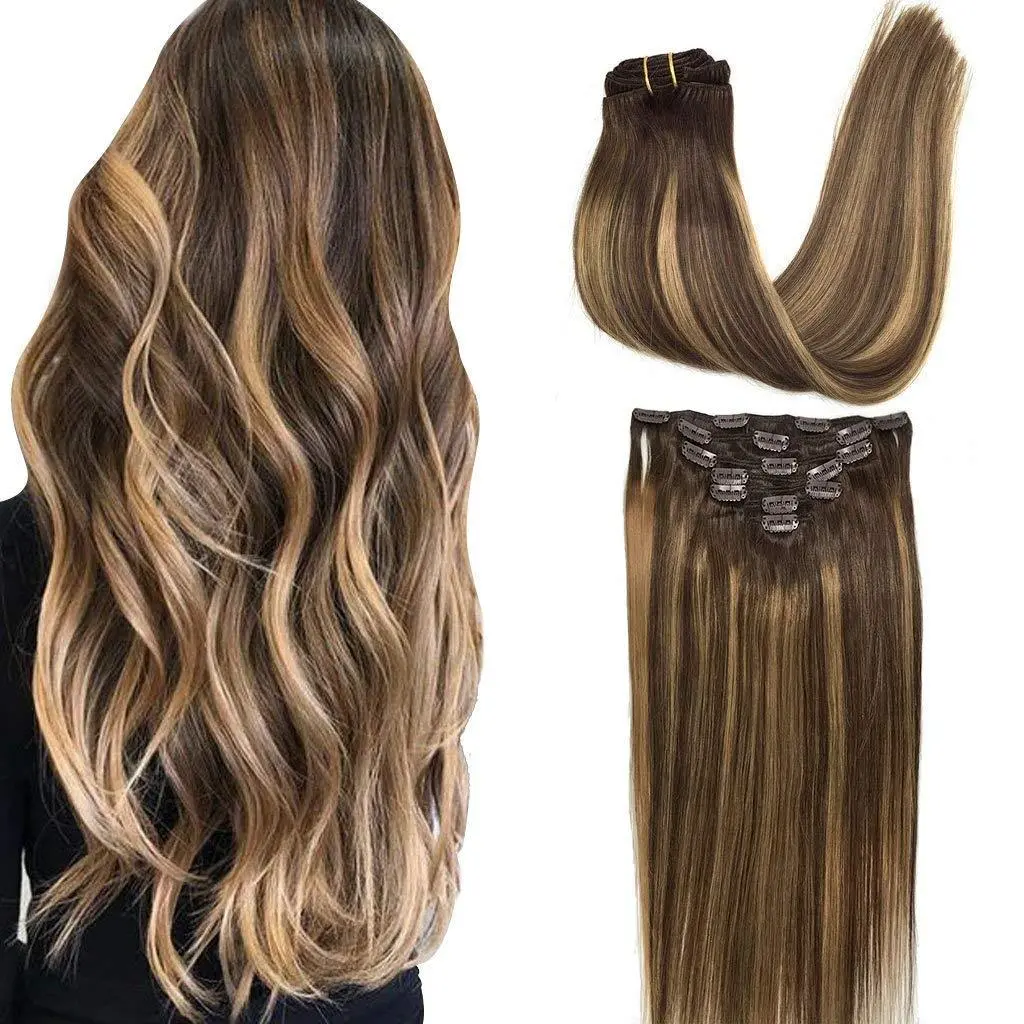

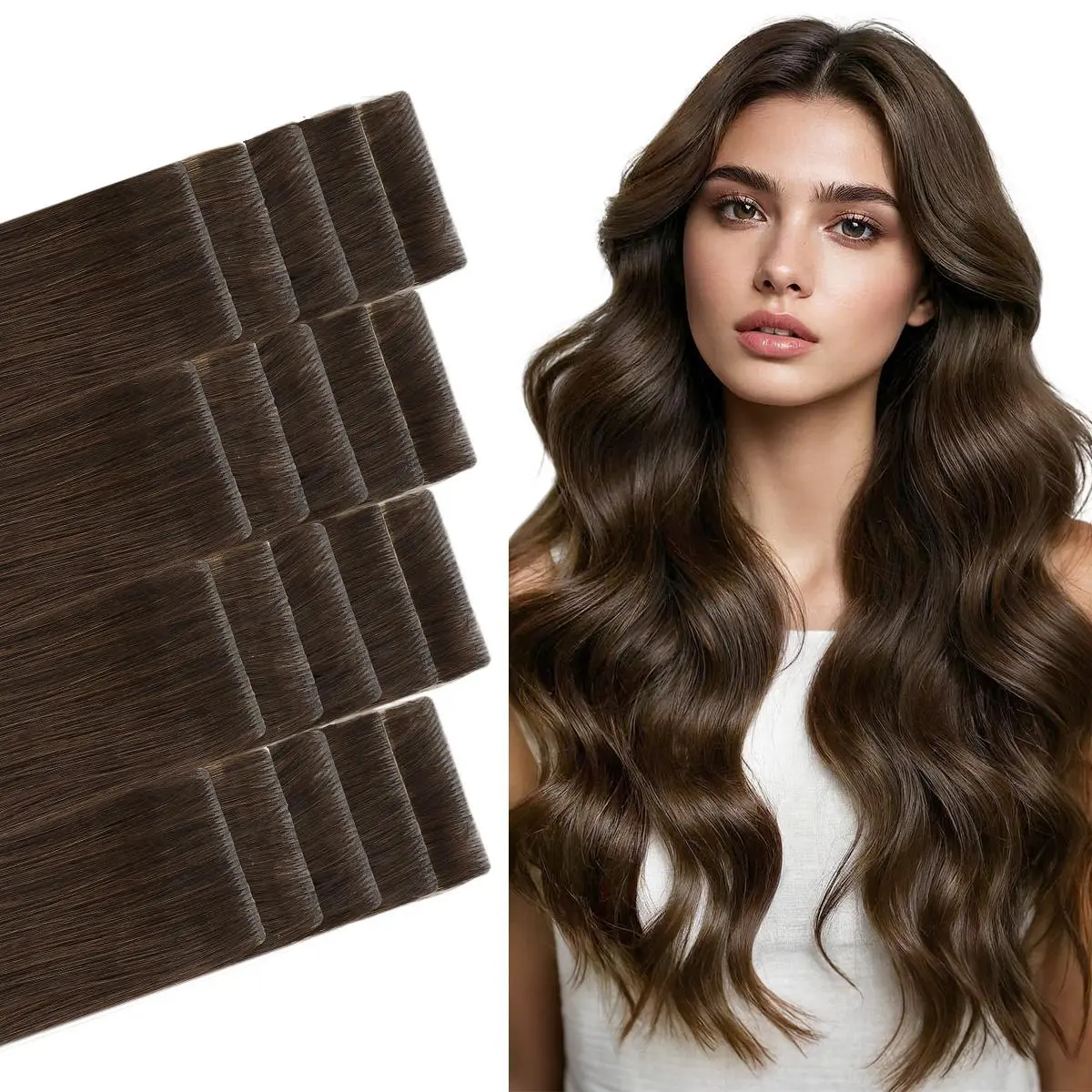

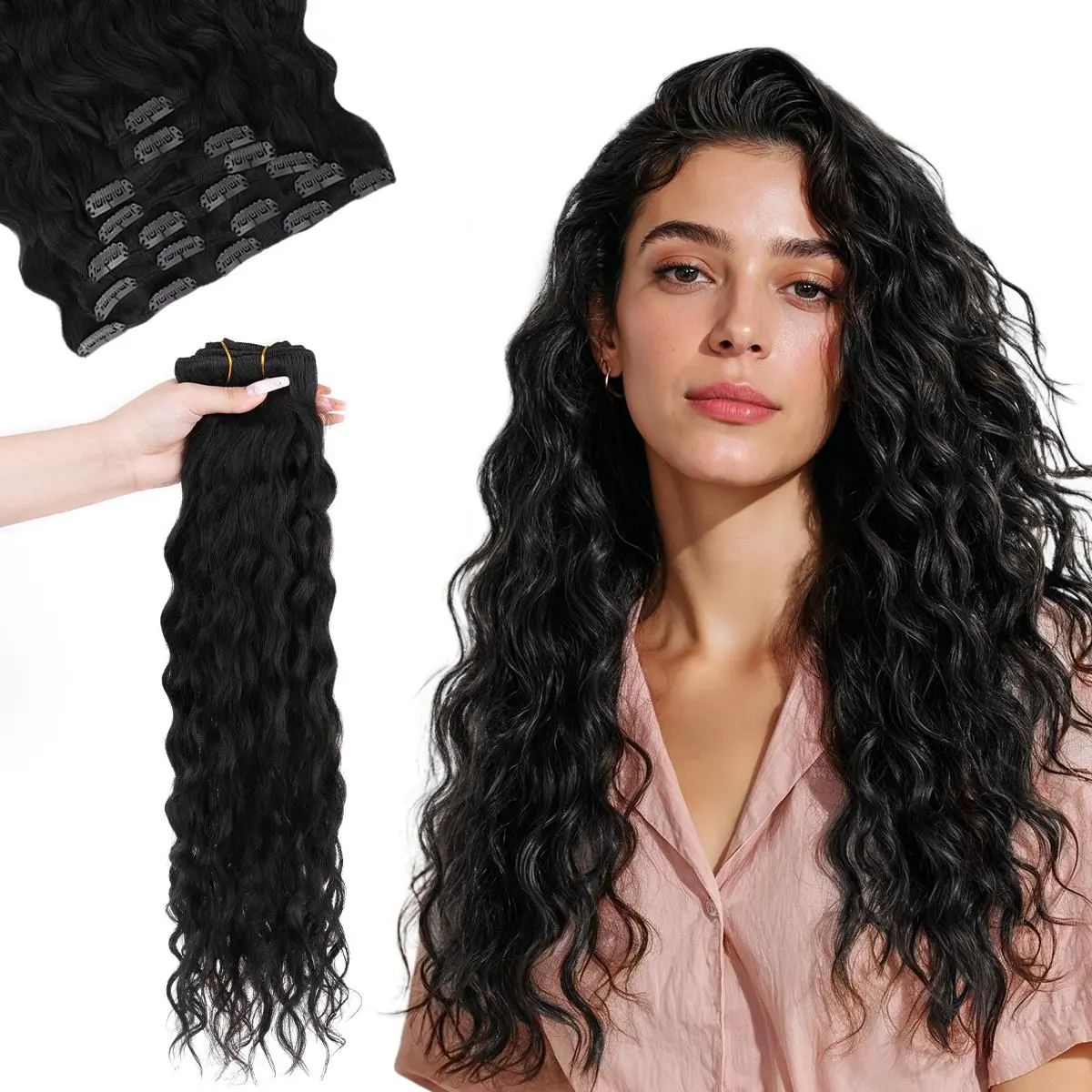


GOO GOO

4.8
1.3K sold

-15%$38.55$45.34


GOO GOO
4.6
137 sold
-15%$93.03$108.99


$299.00


Related Searches
Related Categories
Introduction
When it comes to protective gear, the term 'weft' often comes into play, especially in textile manufacturing. Weft refers to the horizontal threads that are woven across the length of the fabric, providing essential strength and flexibility. This characteristic is particularly important in protective gear, where durability and comfort are paramount.
Choosing the right protective gear involves understanding the materials used, and the weft is a key component. Here are some insights into why weft matters:
Moreover, it's essential to consider the type of weft used in protective gear. Different materials, such as synthetic fibers or natural textiles, can significantly impact the performance of the gear. Regular updates and advancements in textile technology mean that shoppers should look for gear made with the latest weft designs and materials. Trusted brands often provide detailed information about the weft used in their products, ensuring customers can make informed decisions.
In summary, understanding weft is vital for anyone looking to purchase protective gear. By focusing on the quality and characteristics of the weft, shoppers can find gear that offers proven quality and customer-approved safety.
Choosing the right protective gear involves understanding the materials used, and the weft is a key component. Here are some insights into why weft matters:
- Durability: A strong weft ensures that the gear can withstand wear and tear, making it a reliable choice for safety.
- Comfort: The weaving pattern, including the weft, affects how the gear fits and feels against the skin, which is crucial for extended use.
- Protection: High-quality weft materials can enhance the protective capabilities of gear, making it effective against various hazards.
Moreover, it's essential to consider the type of weft used in protective gear. Different materials, such as synthetic fibers or natural textiles, can significantly impact the performance of the gear. Regular updates and advancements in textile technology mean that shoppers should look for gear made with the latest weft designs and materials. Trusted brands often provide detailed information about the weft used in their products, ensuring customers can make informed decisions.
In summary, understanding weft is vital for anyone looking to purchase protective gear. By focusing on the quality and characteristics of the weft, shoppers can find gear that offers proven quality and customer-approved safety.