Results for "weed plant nutrients"
Weed plant nutrients refer to the essential elements that promote the healthy growth and development of weed plants. These nutrients include nitrogen, phosphorus, potassium, and various micronutrients that help in enhancing the vigor and yield of the plants.








![Arber Organic Plant Care Kit [Indoor & Outdoor] | Plant Food + Disease Control + Bio Fungicide + Bio Insecticide | Feed Plants, Control Bugs & Prevent Diseases](https://p16-oec-general-useast5.ttcdn-us.com/tos-useast5-i-omjb5zjo8w-tx/f12d2aa2e0bb4768b2d01ad5c1a21d07~tplv-fhlh96nyum-crop-webp:300:300.webp?dr=12190&t=555f072d&ps=933b5bde&shp=8dbd94bf&shcp=a6e80448&idc=useast5&from=2378011839 "Arber Organic Plant Care Kit [Indoor & Outdoor] | Plant Food + Disease Control + Bio Fungicide + Bio Insecticide | Feed Plants, Control Bugs & Prevent Diseases")


Introduction
When it comes to cultivating weed plants, understanding the importance of weed plant nutrients is crucial for achieving optimal growth. These nutrients play a significant role in the overall health of the plants, ensuring they thrive in various environments. Nitrogen is vital for leafy growth, while phosphorus supports root development and flowering. Potassium helps in water regulation and disease resistance. Additionally, micronutrients like calcium, magnesium, and iron are necessary for various physiological functions.
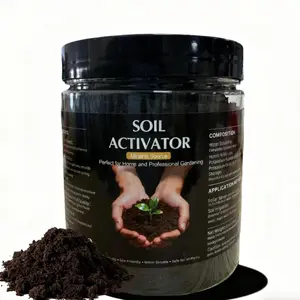
Using the right combination of these nutrients can lead to robust weed plants that produce higher yields. Many growers opt for nutrient-rich garden soil that is specifically formulated to meet the needs of weed plants. This garden soil often contains organic matter, which improves soil structure and promotes healthy microbial activity.
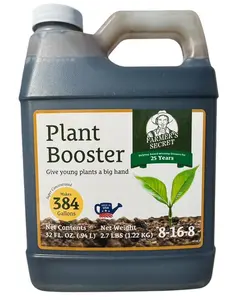
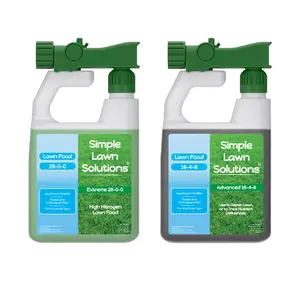
To ensure your weed plants receive the right nutrients, consider conducting a soil test to determine existing nutrient levels. Based on the results, you can amend your garden soil with fertilizers or organic options like compost and worm castings. Regular monitoring and adjusting of nutrient levels can lead to successful cultivation, making your weed plants not only healthy but also more resistant to pests and diseases.
In conclusion, understanding and providing the right weed plant nutrients is essential for any grower looking to maximize their yield and plant health. By investing in quality garden soil and being mindful of nutrient management, your weed plants will flourish.