walkingshoes
Walking shoes are specially designed footwear that provide comfort, support, and cushioning for individuals who engage in walking as a form of exercise or daily activity. They are distinct from running shoes, as they prioritize stability and comfort over speed.
Featured brands
Authenticated productsVerified shops


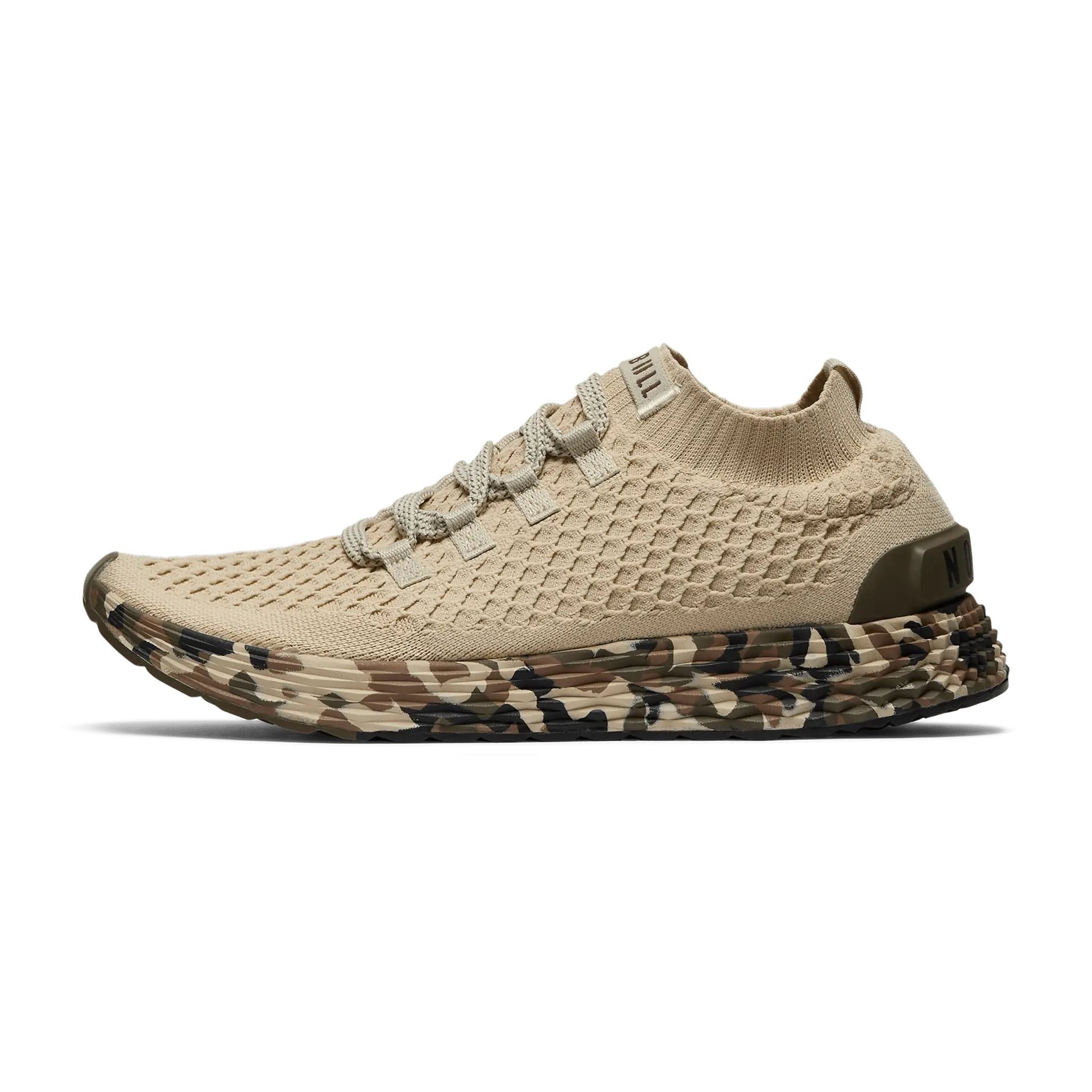
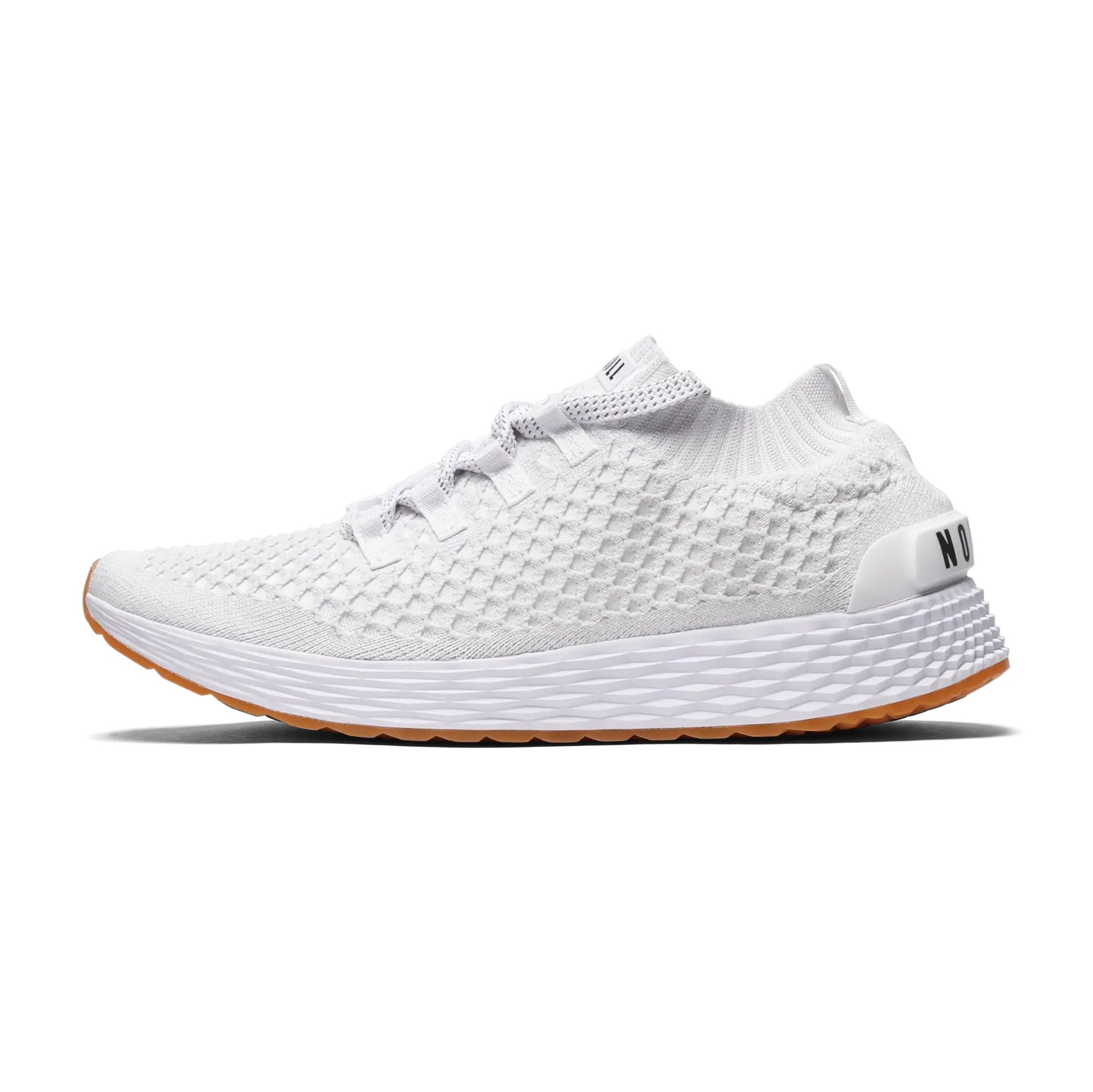
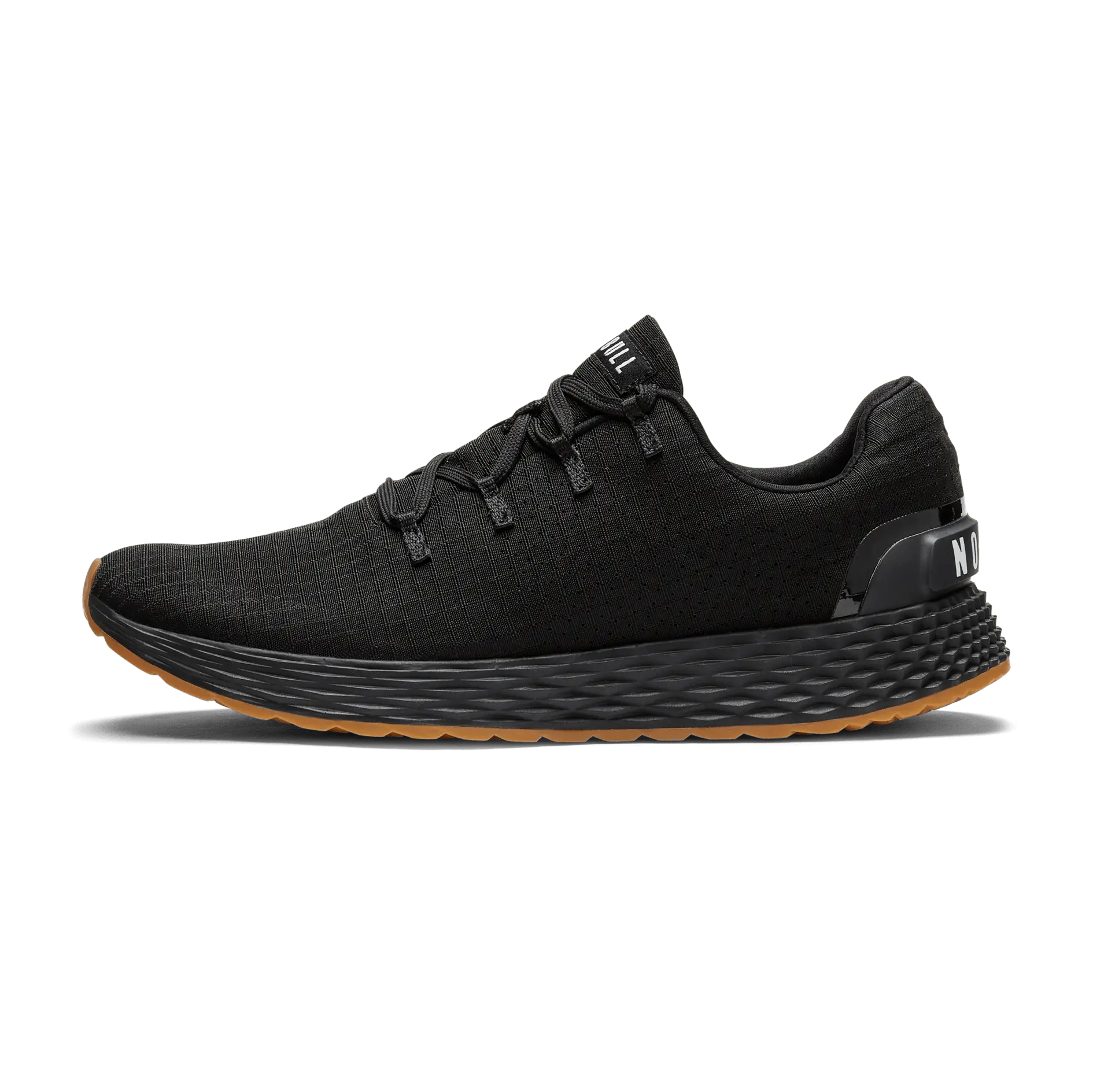
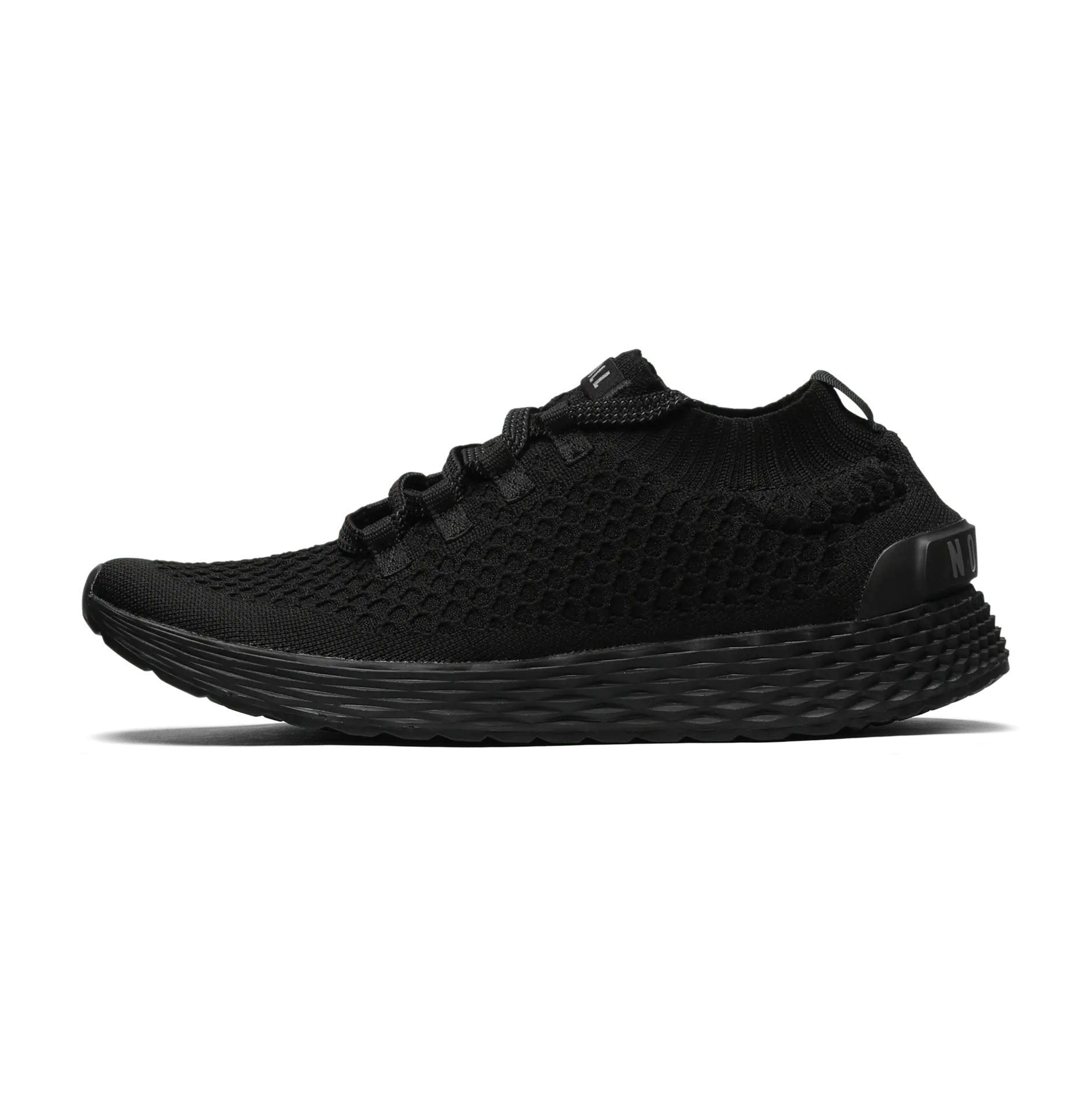

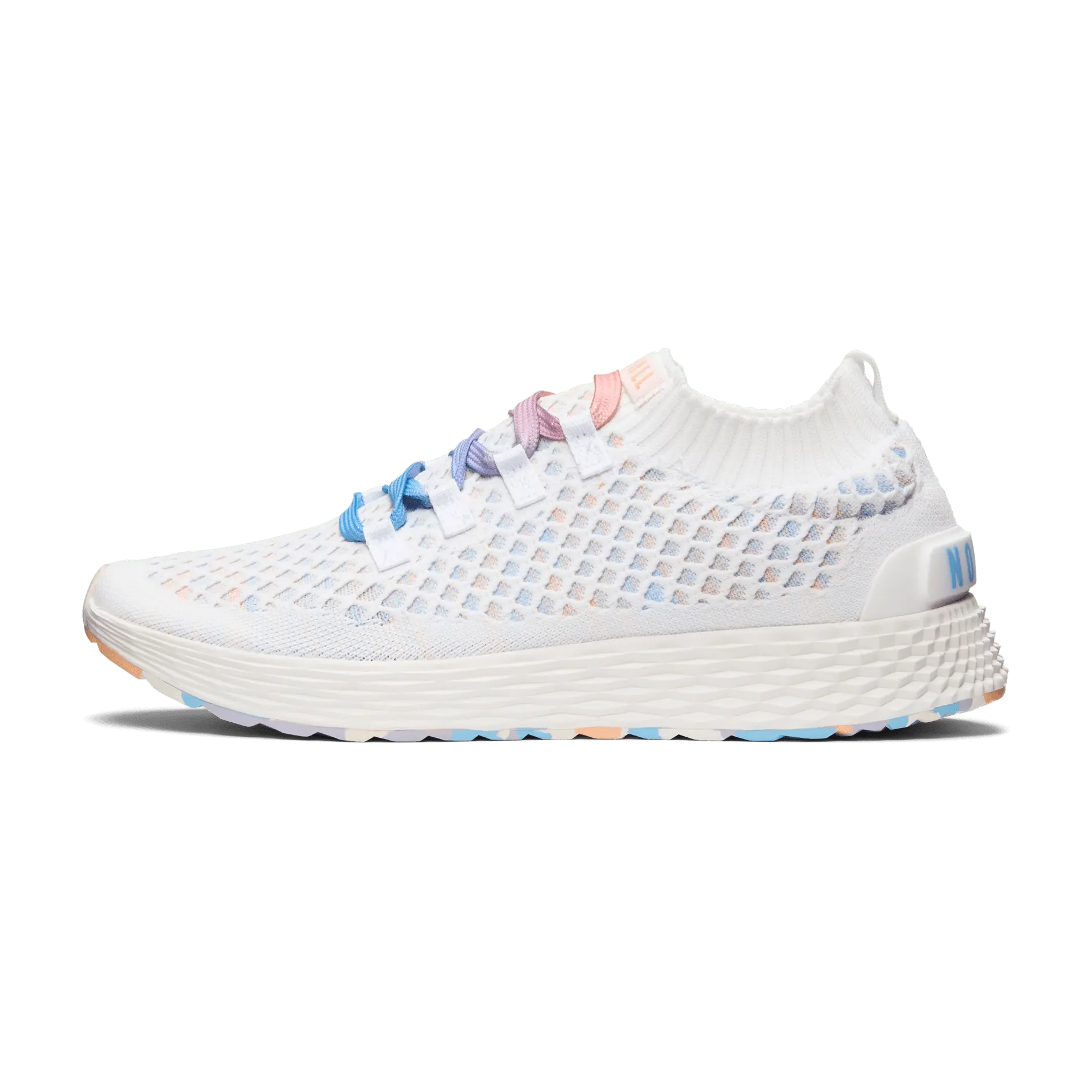


![NORTIV 8 [ActiveFloat] Women's Walking Shoes Cushion Running Shoes Comfortable Breathable Workout Gym Sports Athletic Sneakers Sporty Running Shoes](https://p16-oec-general-useast5.ttcdn-us.com/tos-useast5-i-omjb5zjo8w-tx/1640a2f1d06446daa602bf77a26c9bb4~tplv-fhlh96nyum-resize-webp:600:600.webp?dr=12190&t=555f072d&ps=933b5bde&shp=8dbd94bf&shcp=a6e80448&idc=useast5&from=2378011839 "NORTIV 8 [ActiveFloat] Women's Walking Shoes Cushion Running Shoes Comfortable Breathable Workout Gym Sports Athletic Sneakers Sporty Running Shoes")


![NORTIV 8 [ActiveBreeze] Women's Walking Shoes Cushion Comfortable ActiveBreeze Running Shoes Non-Slip Workout Gym Sports Athletic Breathable Fashion Sneakers Running Sneaker Athletic Shoes](https://p16-oec-general-useast5.ttcdn-us.com/tos-useast5-i-omjb5zjo8w-tx/388a9a21b45043ee9cc13e74966ff427~tplv-fhlh96nyum-resize-webp:600:600.webp?dr=12190&t=555f072d&ps=933b5bde&shp=8dbd94bf&shcp=a6e80448&idc=useast5&from=2378011839 "NORTIV 8 [ActiveBreeze] Women's Walking Shoes Cushion Comfortable ActiveBreeze Running Shoes Non-Slip Workout Gym Sports Athletic Breathable Fashion Sneakers Running Sneaker Athletic Shoes")

Related Searches
Related Categories
Introduction
Walking shoes are an essential part of any walking enthusiast's gear. Whether you're strolling through the park, walking the dog, or embarking on a longer hike, having the right pair of walking shoes can make all the difference. These shoes are designed to provide support, cushioning, and stability, ensuring that your feet feel comfortable throughout your walking routine.
When selecting walking shoes, consider the following factors to ensure you choose the best pair for your needs:
With these features in mind, you'll find that walking shoes can enhance your experience, making your walks more enjoyable and effective. Proven quality and customer-approved options are available across various brands, catering to different preferences and styles. Remember to regularly assess your walking shoes for wear and tear, replacing them as needed to maintain optimal performance and comfort. Investing in a good pair of walking shoes is a step towards a healthier lifestyle and more enjoyable walks.
When selecting walking shoes, consider the following factors to ensure you choose the best pair for your needs:
- Cushioning: Look for shoes that offer ample cushioning to absorb shock and reduce impact on your joints.
- Support: A good walking shoe should provide support to your arches and help maintain proper foot alignment.
- Fit: Ensure that the shoes fit well, allowing for some wiggle room in the toes while being snug in the heel.
- Breathability: Shoes made from breathable materials help keep your feet cool and dry during walks.
- Durability: Choose shoes that are built to withstand regular use, with quality materials and construction.
With these features in mind, you'll find that walking shoes can enhance your experience, making your walks more enjoyable and effective. Proven quality and customer-approved options are available across various brands, catering to different preferences and styles. Remember to regularly assess your walking shoes for wear and tear, replacing them as needed to maintain optimal performance and comfort. Investing in a good pair of walking shoes is a step towards a healthier lifestyle and more enjoyable walks.