vitamins source nutrition
Vitamins are organic compounds that are essential for normal growth and nutrition. They are required in small quantities in the diet because they cannot be synthesized by the body.
Featured brands
Authenticated productsVerified shops


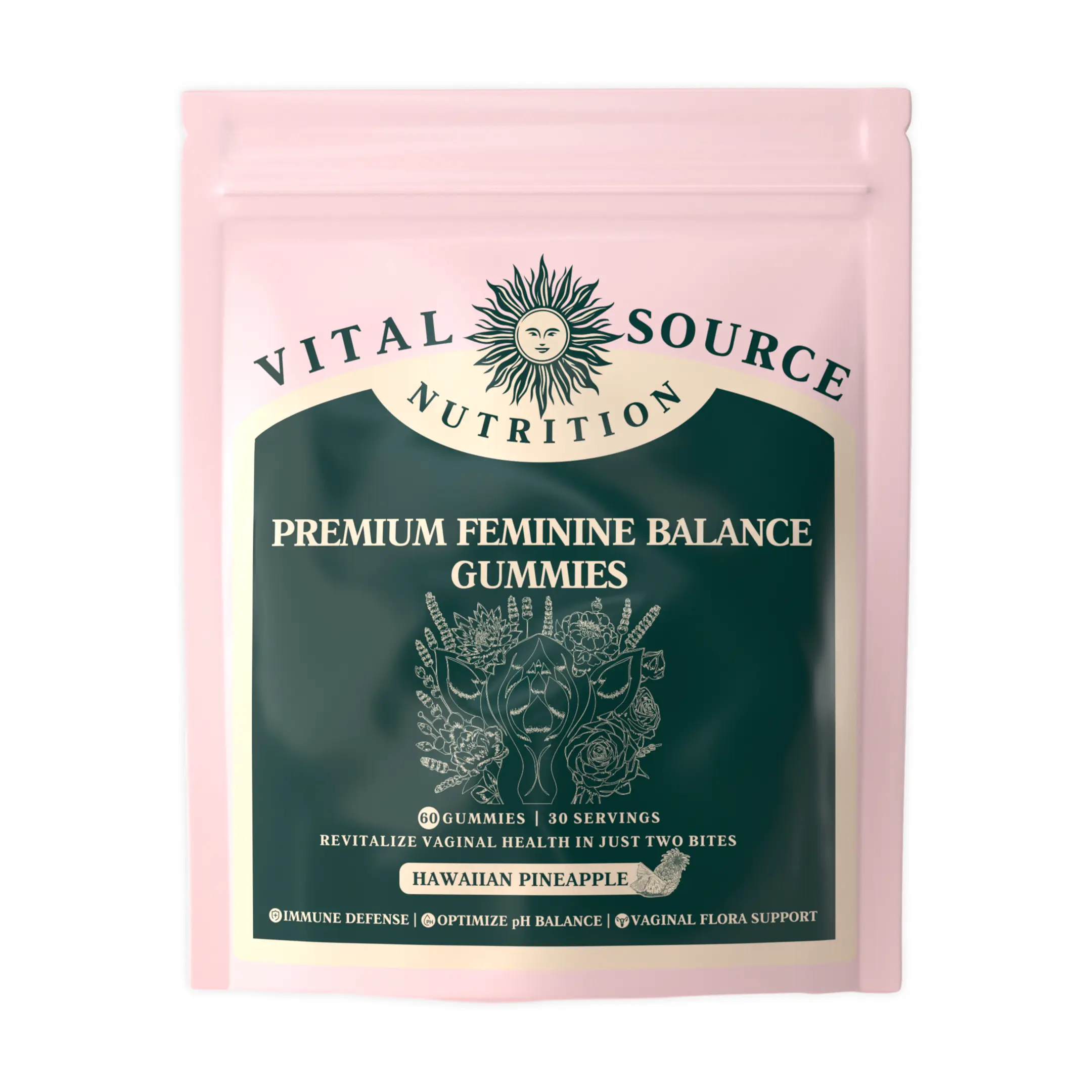


Vital Source Nutrition

4.5
73.9K sold
$39.99

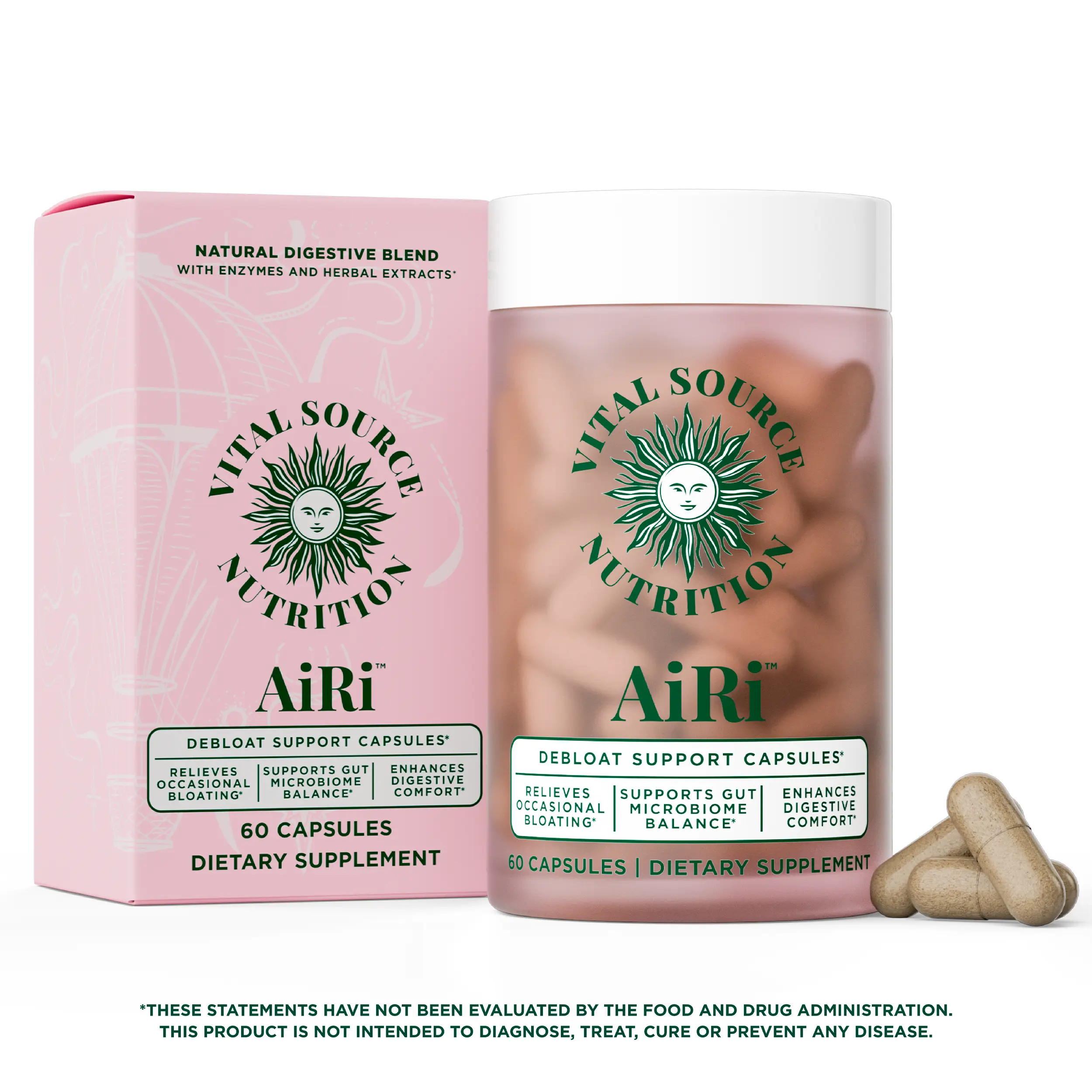
Vital Source Nutrition
4.6
63.3K sold
$39.99


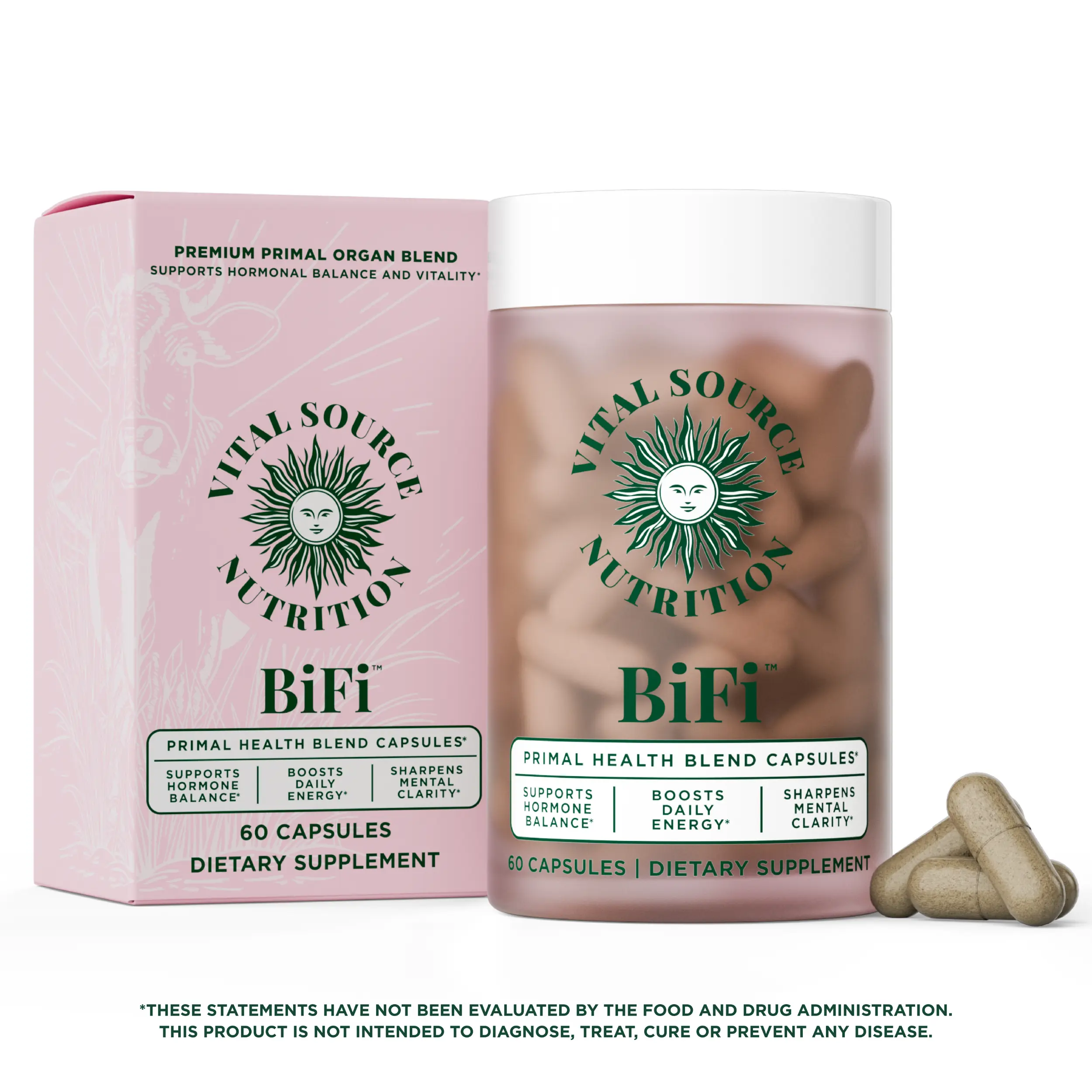
Vital Source Nutrition
4.7
1.5K sold
$79.98


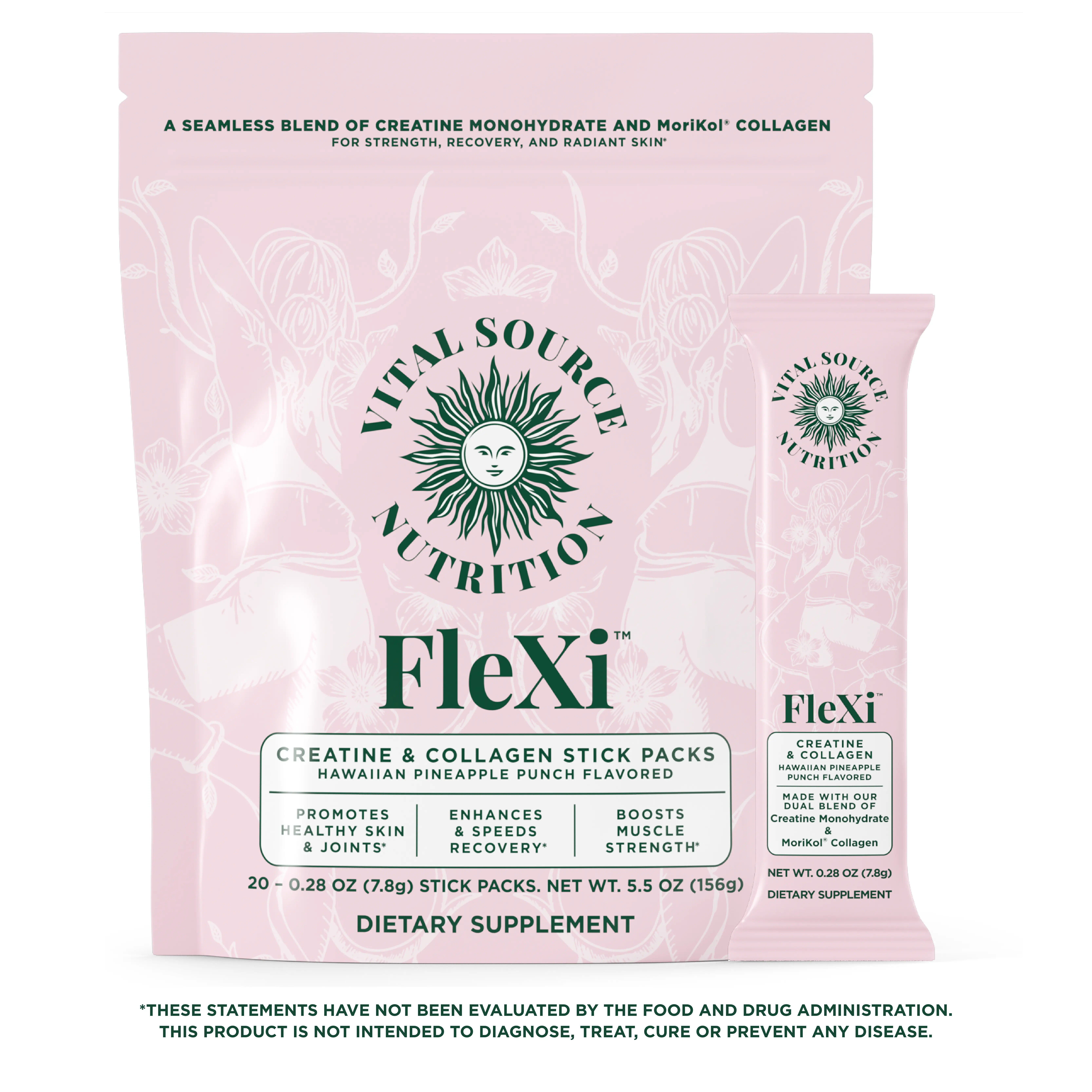
Vital Source Nutrition
4.8
1.4K sold
$45.49
Related Searches
Related Categories
Introduction
Vitamins play a crucial role in maintaining overall health and wellness. They are vital for numerous bodily functions, including metabolism, immunity, and digestion. Vitamins can be sourced from a variety of foods, including fruits, vegetables, grains, and animal products. Understanding the different types of vitamins and their sources can help you make informed dietary choices. Here are some key points to consider:
- Types of Vitamins: There are two main categories of vitamins: water-soluble (e.g., B vitamins and vitamin C) and fat-soluble (e.g., vitamins A, D, E, and K).
- Natural Sources: Fruits like oranges and berries are rich in vitamin C, while leafy greens provide vitamin K. Animal products, such as fish and eggs, are excellent sources of vitamin D and B12.
- Supplementation: For those who have dietary restrictions or specific health concerns, vitamin supplements can help fill nutritional gaps. However, it's essential to consult with a healthcare provider before starting any supplementation.
- Balanced Diet: A well-balanced diet rich in whole foods is the best way to ensure you’re getting all the necessary vitamins your body needs.