Vitamins dog
Vitamins for dogs are essential nutrients that support their overall health and well-being. They help in maintaining a balanced diet and can prevent deficiencies in essential vitamins.
Featured brands
Authenticated productsVerified shops


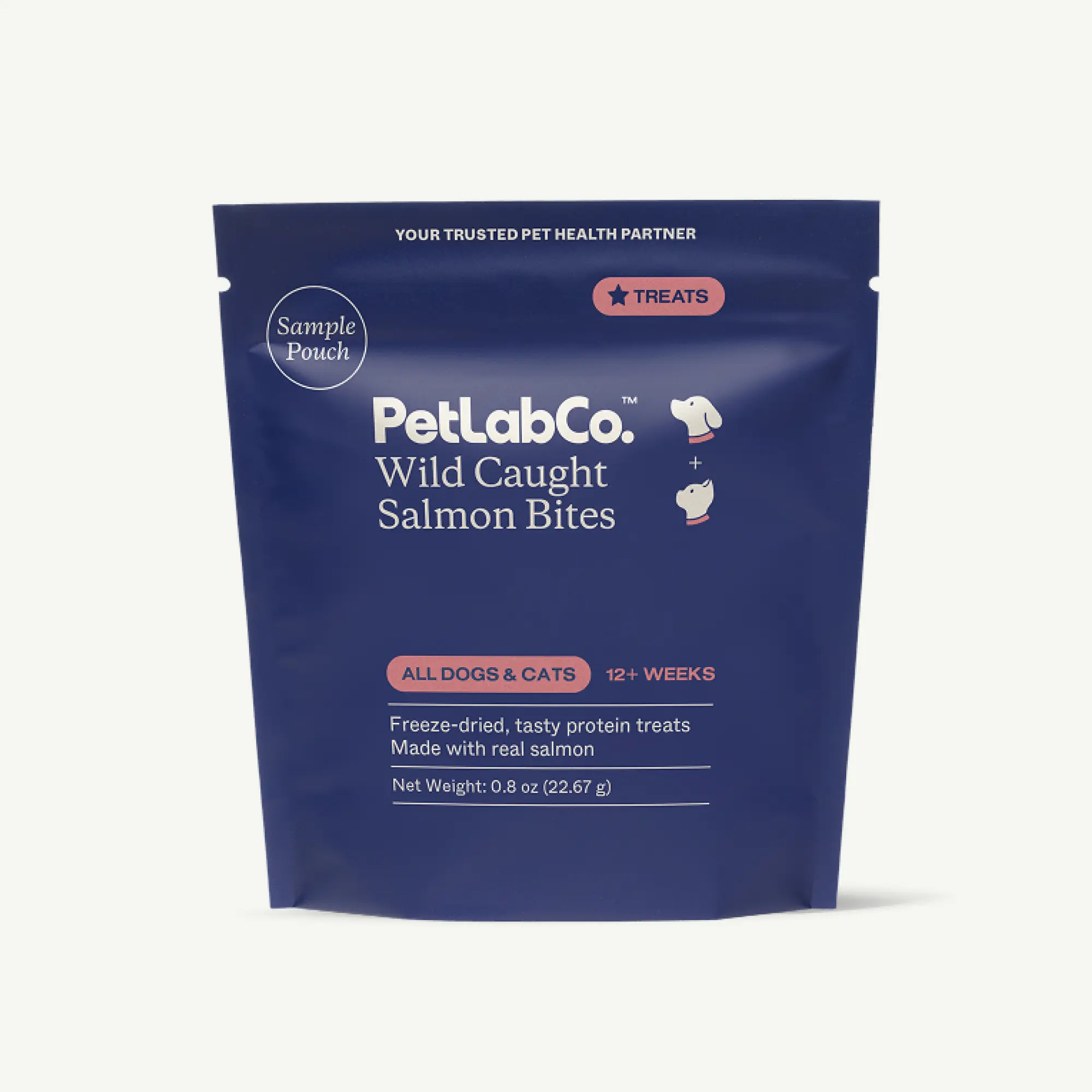

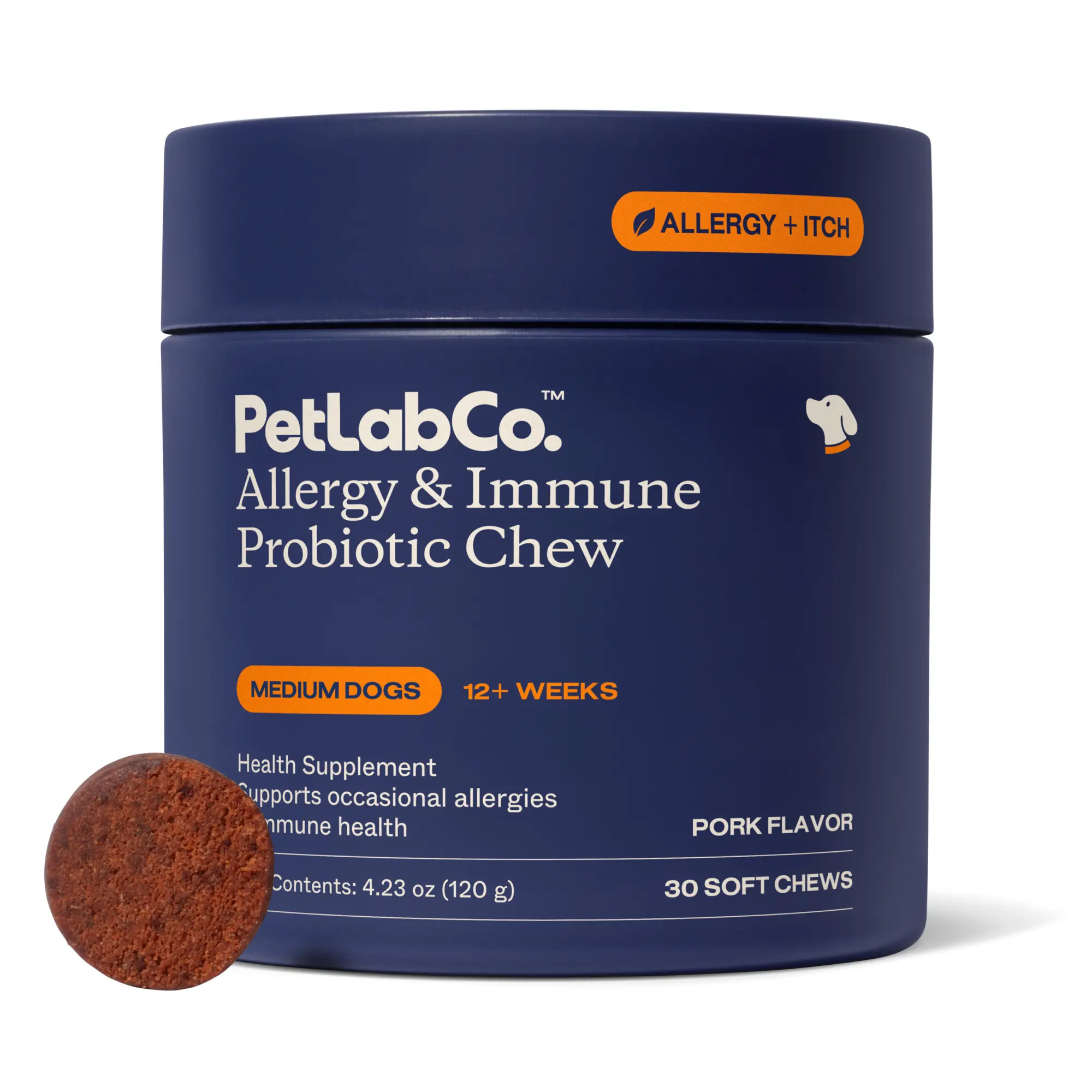
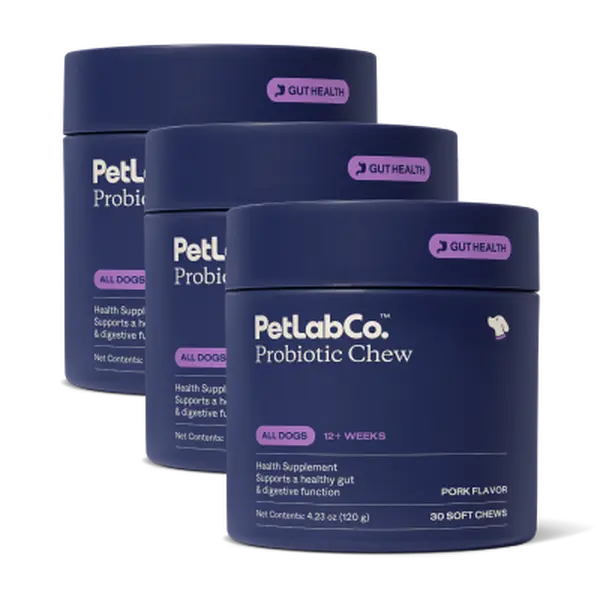
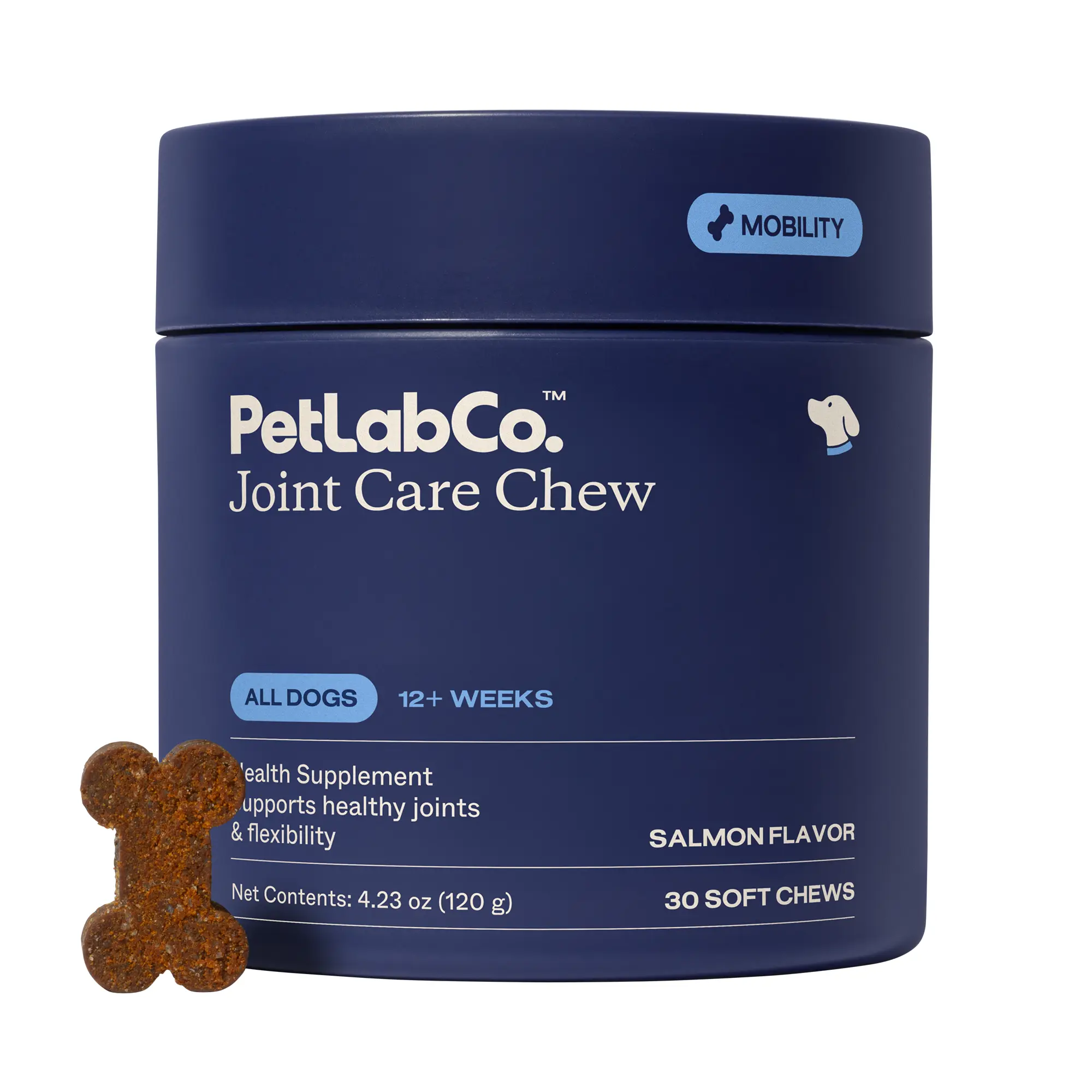


![[Today's Deal] PAWFAVORLAB Veterinary-Formulated Flea & Tick Support Chews for Dogs, with Vitamins, Plant-Based Ingredients, Itching Skin Relief Supplements](https://p16-oec-general-useast5.ttcdn-us.com/tos-useast5-i-omjb5zjo8w-tx/399a3cfd1cba44fb90443092ced679f7~tplv-fhlh96nyum-resize-webp:600:600.webp?dr=12190&t=555f072d&ps=933b5bde&shp=8dbd94bf&shcp=a6e80448&idc=useast5&from=2378011839 "[Today's Deal] PAWFAVORLAB Veterinary-Formulated Flea & Tick Support Chews for Dogs, with Vitamins, Plant-Based Ingredients, Itching Skin Relief Supplements")


Dog is Human

4.8
3.1K sold
$58.00


Dog is Human
4.5
17.3K sold
$46.00


Related Searches
Related Categories
Introduction
Vitamins for dogs play a crucial role in ensuring your furry friend stays healthy and active. Just like humans, dogs require a variety of vitamins to support their bodily functions, including immune system health, energy production, and proper growth. Common vitamins for dogs include Vitamin A, B vitamins, Vitamin C, Vitamin D, Vitamin E, and Vitamin K. Each of these vitamins serves a unique purpose in maintaining your dog's health.
When considering vitamins for dogs, it's important to understand that not all dogs require the same supplements. Factors such as age, breed, diet, and health conditions can influence your dog's vitamin needs. Here are some key points to consider:
When considering vitamins for dogs, it's important to understand that not all dogs require the same supplements. Factors such as age, breed, diet, and health conditions can influence your dog's vitamin needs. Here are some key points to consider:
- Consult Your Veterinarian: Always consult with your vet before introducing any new vitamins or supplements to your dog's diet.
- Quality Matters: Look for proven quality products that are specifically formulated for dogs. Customer-approved brands often provide the best results.
- Balanced Diet: Ensure your dog is receiving a balanced diet, as this can reduce the need for additional vitamins.
- Signs of Deficiency: Be aware of signs that may indicate a vitamin deficiency, such as lethargy, poor coat condition, or changes in appetite.