Results for "using rosin violin"
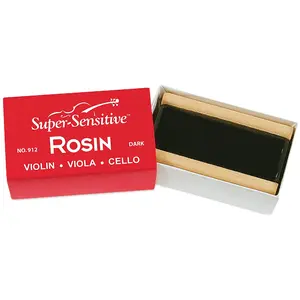
Rosin for violin is a solid form of tree resin used to create friction between the bow and the strings, allowing for better sound production and control while playing.
![Rosin, Violin Rosin [6 Pack] Cello Viola Rosin for Violin Bow, Light Low Dust , Violin Accessories by](https://p16-oec-general-useast5.ttcdn-us.com/tos-useast5-i-omjb5zjo8w-tx/5226561cf2534400aca0bf52f40126bf~tplv-fhlh96nyum-crop-webp:300:291.webp?dr=12190&t=555f072d&ps=933b5bde&shp=8dbd94bf&shcp=a6e80448&idc=useast5&from=2378011839 "Rosin, Violin Rosin [6 Pack] Cello Viola Rosin for Violin Bow, Light Low Dust , Violin Accessories by")





5.0
1 sold
-35%$192.40$296.00


Related Searches
Related Categories
Introduction
Using rosin for violin is essential for any violinist looking to enhance their playing experience. Rosin, a natural resin, is applied to the bow hair to create the necessary grip on the strings. Without rosin, the bow would simply slide over the strings, producing little to no sound. It is crucial for achieving the desired tone and dynamics when playing.
Here are some key points to consider when using rosin for your violin:
Here are some key points to consider when using rosin for your violin:
- Types of Rosin: There are different types of rosin available, including light and dark options, each suited for various playing styles and preferences.
- Application: Properly applying rosin to your bow is important. It should be applied evenly and not excessively to avoid a sticky buildup.
- Frequency of Use: Depending on how often you play, you may need to apply rosin regularly to maintain optimal performance.
- Storage: Keep your rosin in a cool, dry place to prevent it from becoming too soft or cracking.