upgradable pc build
An upgradable PC build refers to a computer system designed to allow easy replacement or addition of components, enhancing performance and longevity.
Featured brands
Authenticated productsVerified shops


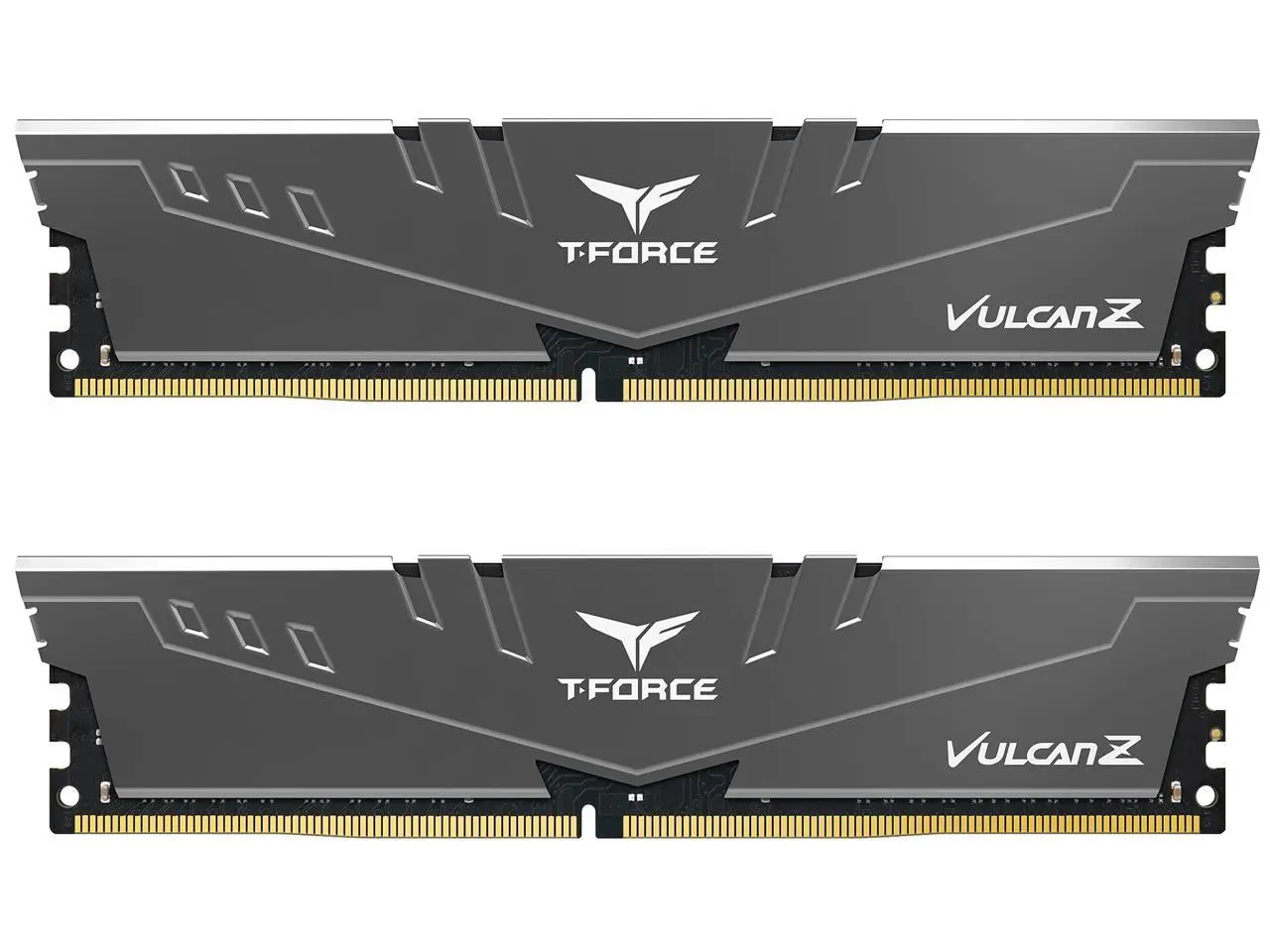


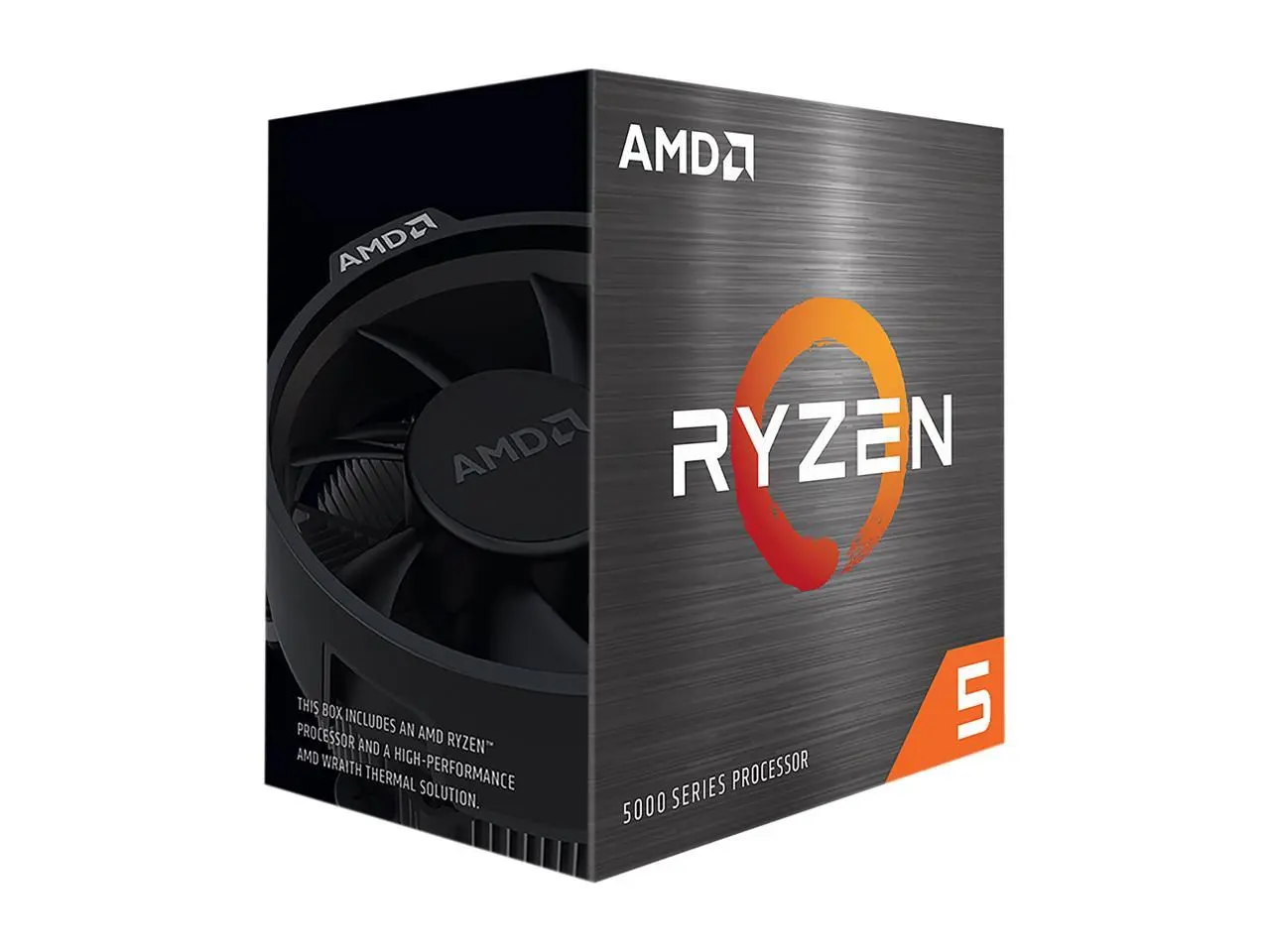


Newegg, Inc.

5.0
3 sold
$1,749.00

Newegg, Inc.
5.0
20 sold
$1,511.99


Related Searches
Related Categories
Introduction
Building an upgradable PC can be an exciting venture for tech enthusiasts and casual users alike. An upgradable PC build enables you to tailor your system to meet specific needs, whether for gaming, graphic design, or general use. With technology constantly evolving, having the ability to upgrade components such as the CPU, GPU, RAM, and storage ensures your PC remains relevant and capable of handling new software and applications.
Here are some key benefits of an upgradable PC build:
Here are some key benefits of an upgradable PC build:
- Cost-Effective: Instead of investing in a completely new system, upgrading individual components can save you money in the long run.
- Enhanced Performance: Upgrading your graphics card or adding more RAM can significantly boost your PC's performance, making it more efficient for demanding tasks.
- Future-Proofing: An upgradable build allows you to keep pace with technological advancements without the need for a full system replacement.
- Customization: Tailor your PC to your specific needs by selecting components that best suit your requirements.