Results for "understanding undertones skin drawing"
Understanding undertones in skin drawing is essential for artists to accurately depict skin tones and create realistic portraits. Undertones refer to the subtle hues beneath the skin's surface that influence the overall color.


![[Beauty of Joseon Official] Daily Tinted Fluid Sunscreen 50ml Spf Facial](https://p19-oec-general-useast5.ttcdn-us.com/tos-useast5-i-omjb5zjo8w-tx/afc9226778e6477382fe8471747683d3~tplv-fhlh96nyum-crop-webp:300:300.webp?dr=12190&t=555f072d&ps=933b5bde&shp=8dbd94bf&shcp=a6e80448&idc=useast5&from=2378011839 "[Beauty of Joseon Official] Daily Tinted Fluid Sunscreen 50ml Spf Facial")
Beauty of Joseon US

4.2
316.8K sold
-55%$11.21$25.00


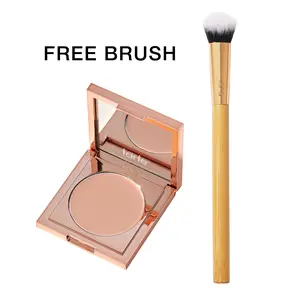
Tarte Cosmetics
4.2
182.4K sold
-6%$44.00$47.00

Laura Geller Beauty
4.4
33.7K sold
-66%$82.00$241.00

![[Dr.Melaxin Official] Peel Shot Glow Rice Ampoule Duo - Peel Shot Gentle Exfoliator for Glowing, Smooth Skin | Blackhead Whitehead Care | Korean skincare](https://p16-oec-general-useast5.ttcdn-us.com/tos-useast5-i-omjb5zjo8w-tx/675c31779f984844aea7acf7143e62d3~tplv-fhlh96nyum-crop-webp:300:300.webp?dr=12190&t=555f072d&ps=933b5bde&shp=8dbd94bf&shcp=a6e80448&idc=useast5&from=2378011839 "[Dr.Melaxin Official] Peel Shot Glow Rice Ampoule Duo - Peel Shot Gentle Exfoliator for Glowing, Smooth Skin | Blackhead Whitehead Care | Korean skincare")
Dr.Melaxin
4.3
657.1K sold
-51%$43.40$88.00

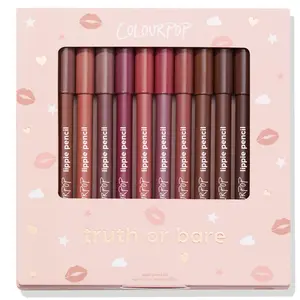
ColourPop Cosmetics
4.7
49.1K sold
-65%$28.99$82.00

M.A.C Cosmetics Store
4.4
58.0K sold
-31%$41.00$59.00

Westmore Beauty
4.7
997 sold
-40%$103.70$173.00

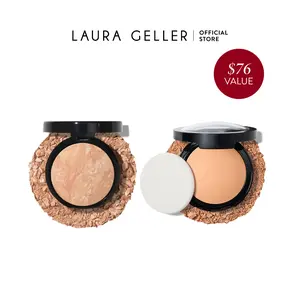
Laura Geller Beauty
4.5
72.1K sold
-53%$42.00$89.00
![[MISSHA Official] M Perfect Cover BB Cream SPF 42 PA+++(50ml)](https://p16-oec-general-useast5.ttcdn-us.com/tos-useast5-i-omjb5zjo8w-tx/a2bacbc455b54f41b719a04a0a13a660~tplv-fhlh96nyum-crop-webp:300:300.webp?dr=12190&t=555f072d&ps=933b5bde&shp=8dbd94bf&shcp=a6e80448&idc=useast5&from=2378011839 "[MISSHA Official] M Perfect Cover BB Cream SPF 42 PA+++(50ml)")


e.l.f. Cosmetics
4.4
51.0K sold
-24%$16.00$21.00
![[MISSHA Official] M Perfect Cover Serum BB Cream (35ml) - Bifida Ferment Lysate Serum-Infused BB Cream for Anti-Aging Skin Rejuvenation, Skin Tint, Tinted Moisturizer, Skin Care Foundation Makeup,Superfood Complex,Glass Skin CardiBB OGBB PurpleBB](https://p16-oec-general-useast5.ttcdn-us.com/tos-useast5-i-omjb5zjo8w-tx/f5541316eb7c4bd59ef365564aae9869~tplv-fhlh96nyum-crop-webp:300:292.webp?dr=12190&t=555f072d&ps=933b5bde&shp=8dbd94bf&shcp=a6e80448&idc=useast5&from=2378011839 "[MISSHA Official] M Perfect Cover Serum BB Cream (35ml) - Bifida Ferment Lysate Serum-Infused BB Cream for Anti-Aging Skin Rejuvenation, Skin Tint, Tinted Moisturizer, Skin Care Foundation Makeup,Superfood Complex,Glass Skin CardiBB OGBB PurpleBB")
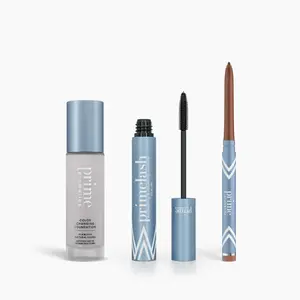
-11%$102.00$114.00
![[Dr.Melaxin Official] Calcium Multi Balm Eye Care Routine Korean Skin Care Anti-aging Cosmetics Collagen Eye Stick 9g](https://p16-oec-general-useast5.ttcdn-us.com/tos-useast5-i-omjb5zjo8w-tx/d425676493a24893b97f3b6235c2b142~tplv-fhlh96nyum-crop-webp:300:300.webp?dr=12190&t=555f072d&ps=933b5bde&shp=8dbd94bf&shcp=a6e80448&idc=useast5&from=2378011839 "[Dr.Melaxin Official] Calcium Multi Balm Eye Care Routine Korean Skin Care Anti-aging Cosmetics Collagen Eye Stick 9g")
Dr.Melaxin
4.2
691.8K sold
-47%$22.20$42.00

Related Searches
Related Categories
Introduction
Understanding undertones in skin drawing is crucial for artists who want to create lifelike portraits. Undertones are the subtle hues that lie beneath the skin's surface, influencing the overall appearance of skin color. When drawing skin, it's important to recognize that there are three primary undertones: cool, warm, and neutral. Each undertone can affect how colors are perceived, making it essential to choose the right shades for your artwork.
Here are some tips to help you understand and apply undertones in your skin drawings:
Here are some tips to help you understand and apply undertones in your skin drawings:
- Identify Undertones: Observe the subject's skin closely. Cool undertones typically have hints of pink, red, or blue, while warm undertones may show yellow, peach, or golden hues. Neutral undertones can be a mix of both.
- Color Mixing: When selecting colors, mix shades to match the undertone. For warm undertones, consider using yellows and reds, while cool undertones may require blues and pinks.
- Layering Techniques: Use layering techniques to build depth and dimension. Start with a base color and gradually add layers of different shades to create a more realistic effect.
- Practice Observational Skills: Regularly practice drawing from life or reference photos to improve your ability to identify and replicate undertones.
- Use Quality Art Supplies: Invest in high-quality art supplies that allow for smooth blending and color mixing, enhancing the overall quality of your skin drawings.