types of pacifiers

Types of pacifiers refer to the various designs and materials used in pacifiers to cater to infants' needs. They come in different shapes, sizes, and functionalities.

Featured brands
Authenticated productsVerified shops

Pacifiers
$13.49
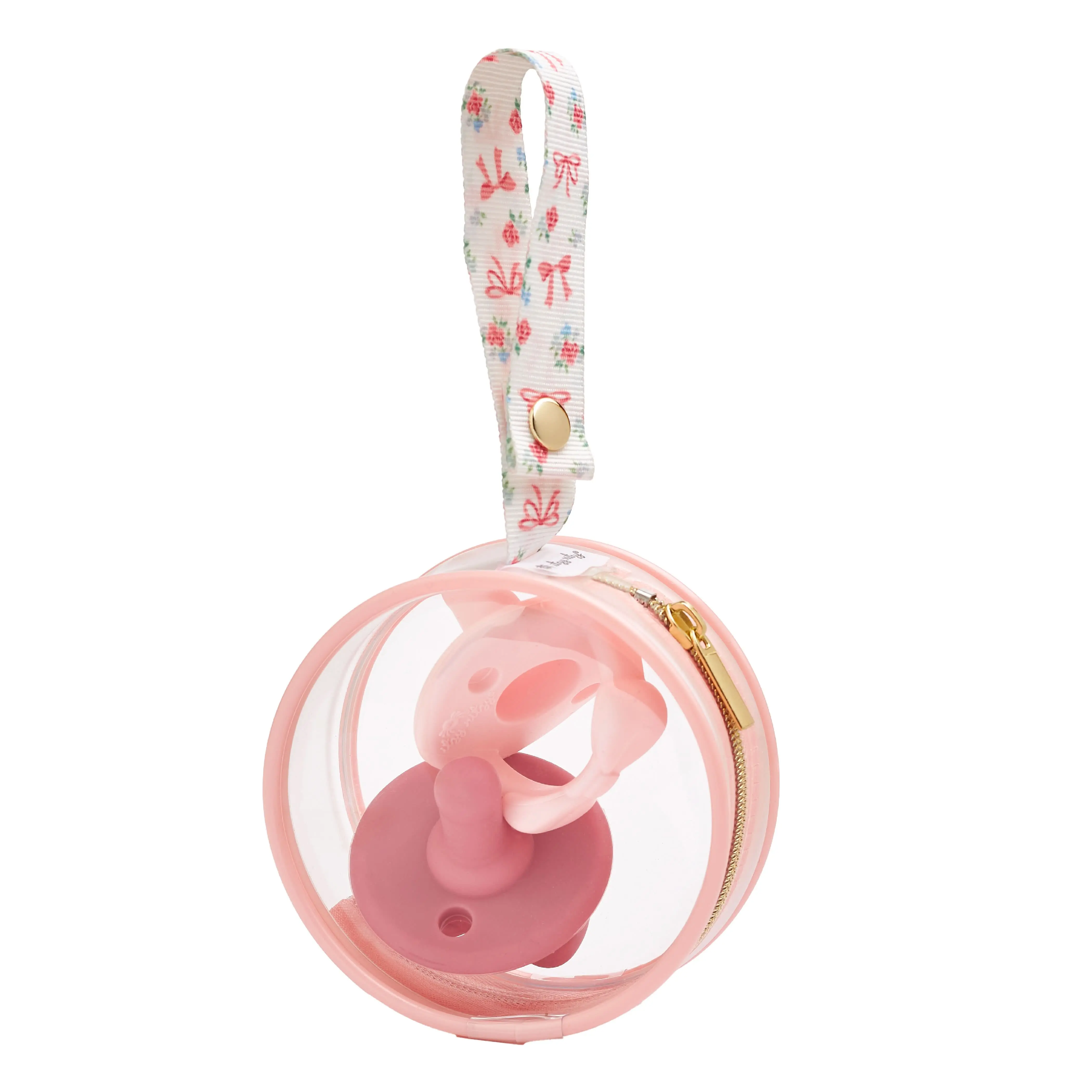
Sweetie Soother™ - Pacifier 2-Pack
Itzy Ritzy
5.015 sold
$8.99
Itzy Paci™ - Pacifier 3-Pack
Itzy Ritzy
5.06 sold
$14.99

Introduction

When it comes to soothing your little one, understanding the different types of pacifiers can make a significant difference. Pacifiers are not just simple rubber or silicone devices; they come in various designs tailored to meet the needs of babies. Here are some popular types of pacifiers:
  • Orthodontic Pacifiers: Designed to support healthy oral development, these pacifiers feature a nipple that is shaped to promote proper alignment of teeth and jaw.
  • Silicone Pacifiers: Known for their durability and easy cleaning, silicone pacifiers are a popular choice among parents. They are also less likely to retain odors.
  • Latex Pacifiers: Softer and more flexible than silicone, latex pacifiers can be a comforting option for babies, though they may wear out faster.
  • Glow-in-the-Dark Pacifiers: Perfect for nighttime use, these pacifiers help parents find them easily in the dark.
  • Customized Pacifiers: Many parents opt for personalized pacifiers featuring their baby's name or a unique design.
Choosing the right pacifier can enhance your baby's comfort and help ease teething pains. It's essential to consider factors like the age of your baby, their sucking habits, and any dental concerns. Remember, pacifiers can be a great tool for soothing, but it's important to monitor their use to avoid dependency. Trust in the proven quality of pacifiers available today, as they are designed with your child's safety and comfort in mind. Explore our collection of pacifiers and find the perfect fit for your little one today!

FAQs

There are several types of pacifiers, including orthodontic, silicone, latex, glow-in-the-dark, and customized pacifiers, each designed to meet different needs.

Consider your baby's age, sucking habits, and any dental concerns when choosing a pacifier. It's also helpful to consult with your pediatrician.

Silicone pacifiers are more durable and easier to clean, while latex pacifiers are softer and more flexible. The choice depends on your baby's preferences.

If used excessively, pacifiers can affect dental development. It's important to monitor usage and consult with a dentist if you have concerns.

Pacifiers should be cleaned regularly with warm, soapy water and sterilized periodically to ensure they remain safe for your baby.