Results for "traditional greek costume"
Traditional Greek costume refers to the distinctive clothing styles worn in Greece, characterized by vibrant colors, intricate embroidery, and unique designs that reflect the rich cultural heritage of the region.


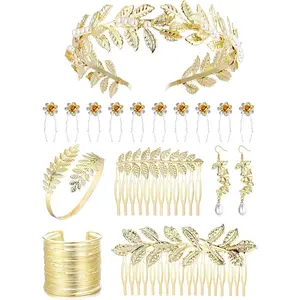
5.0
36 sold
-50%$18.48$36.96


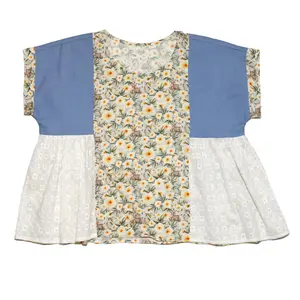
$95.00




$28.73


Related Searches
Related Categories
Introduction
Traditional Greek costumes are not just clothing; they embody the history, culture, and traditions of Greece. These costumes vary significantly across regions, showcasing local customs and artistry. When you think of traditional Greek attire, the iconic *fustanella* worn by men and the beautifully embroidered *karagouna* worn by women often come to mind.
In various celebrations and festivals, these costumes are proudly displayed, allowing people to connect with their heritage and cultural roots. Here are some key aspects of traditional Greek costumes:
In various celebrations and festivals, these costumes are proudly displayed, allowing people to connect with their heritage and cultural roots. Here are some key aspects of traditional Greek costumes:
- Variety: Each region in Greece has its own unique costume, often featuring distinctive colors and designs.
- Materials: Traditional costumes are made from natural fabrics like cotton and wool, ensuring comfort and durability.
- Accessories: Costumes are often complemented by accessories such as belts, jewelry, and headpieces, enhancing their beauty.
- Symbolism: Many elements of the costumes hold symbolic meanings, representing various aspects of Greek history and culture.