toothbrush and flosser
A toothbrush and flosser are essential tools for maintaining oral hygiene. The toothbrush helps remove plaque and food particles from the teeth, while the flosser aids in cleaning between teeth and along the gum line.
Featured brands
Authenticated productsVerified shops


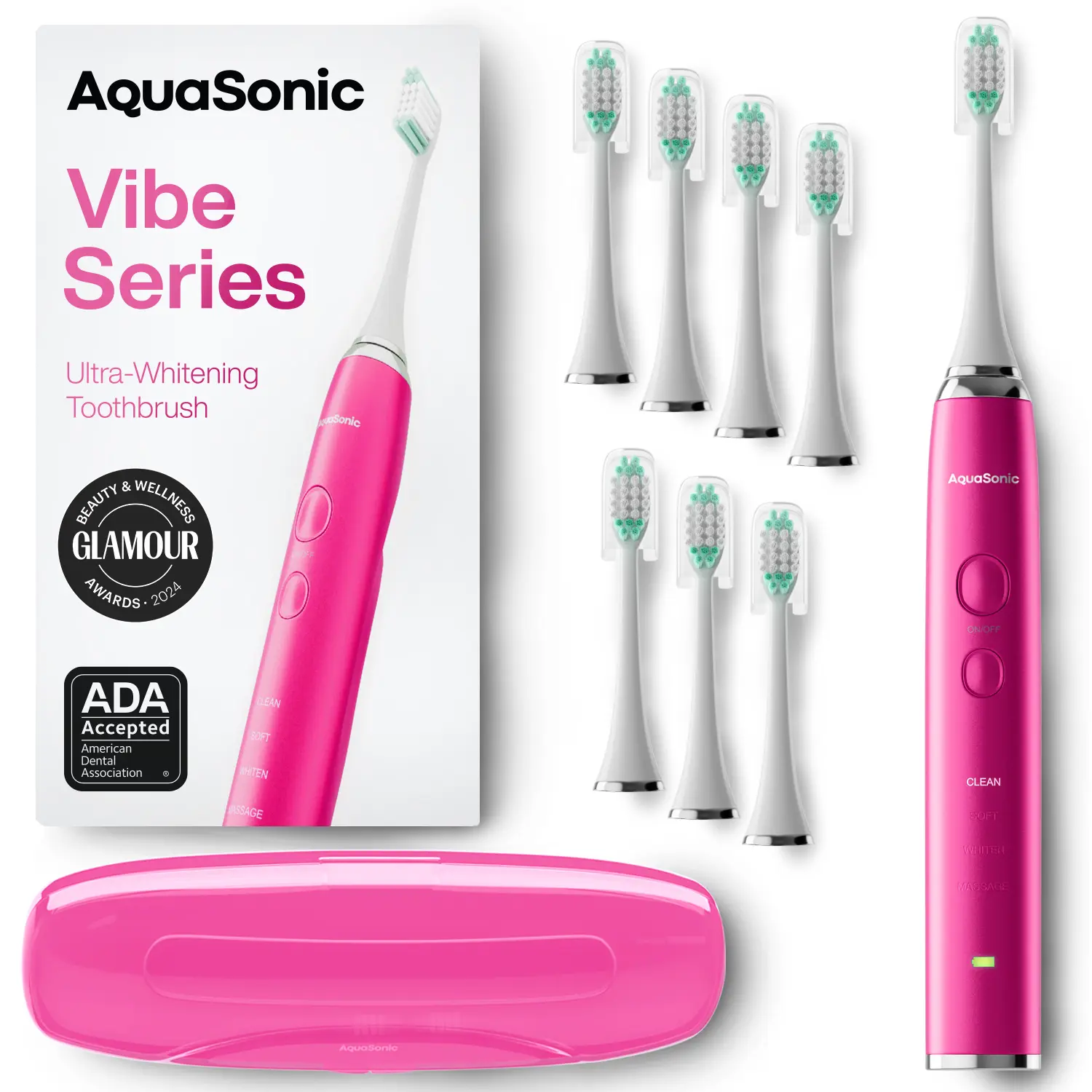


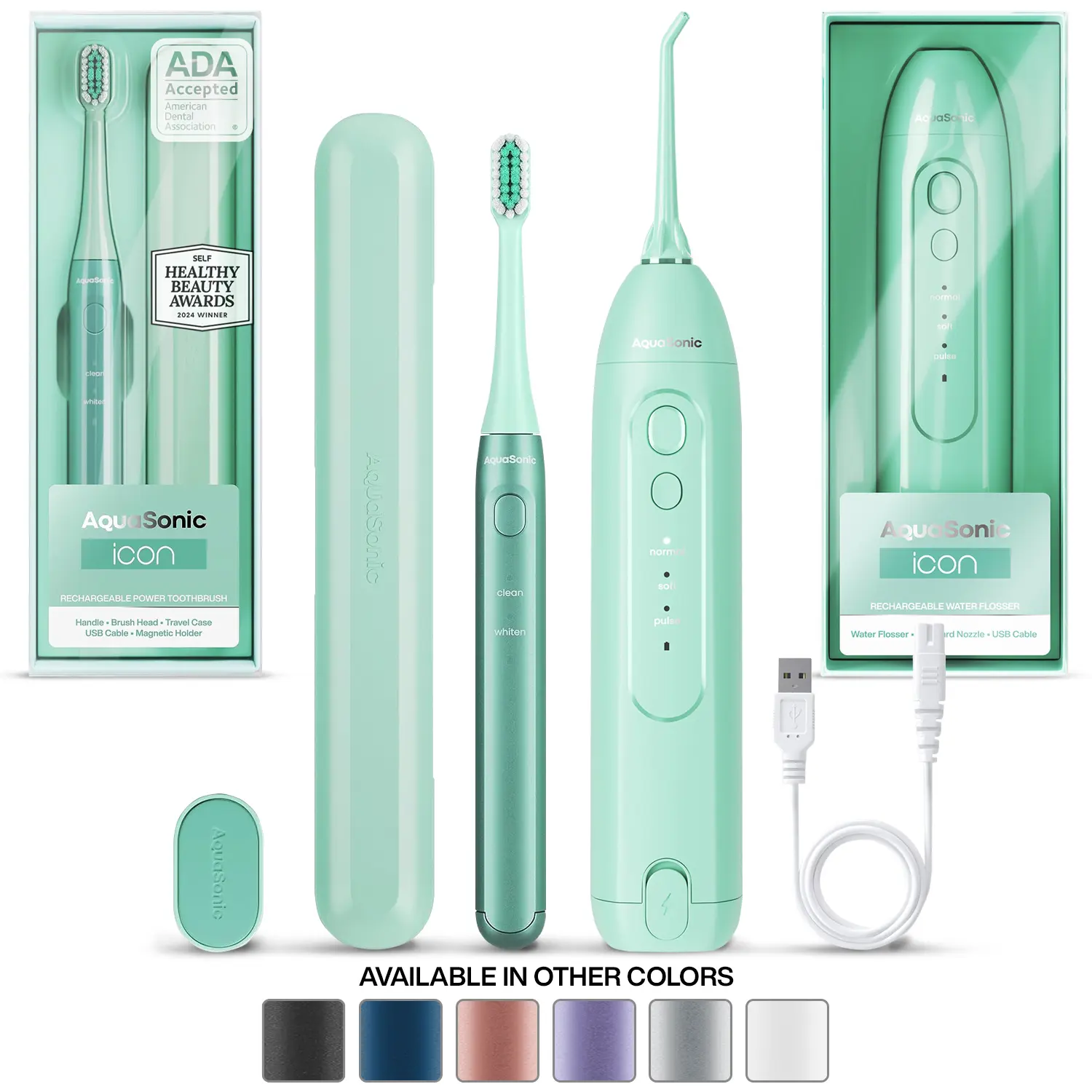
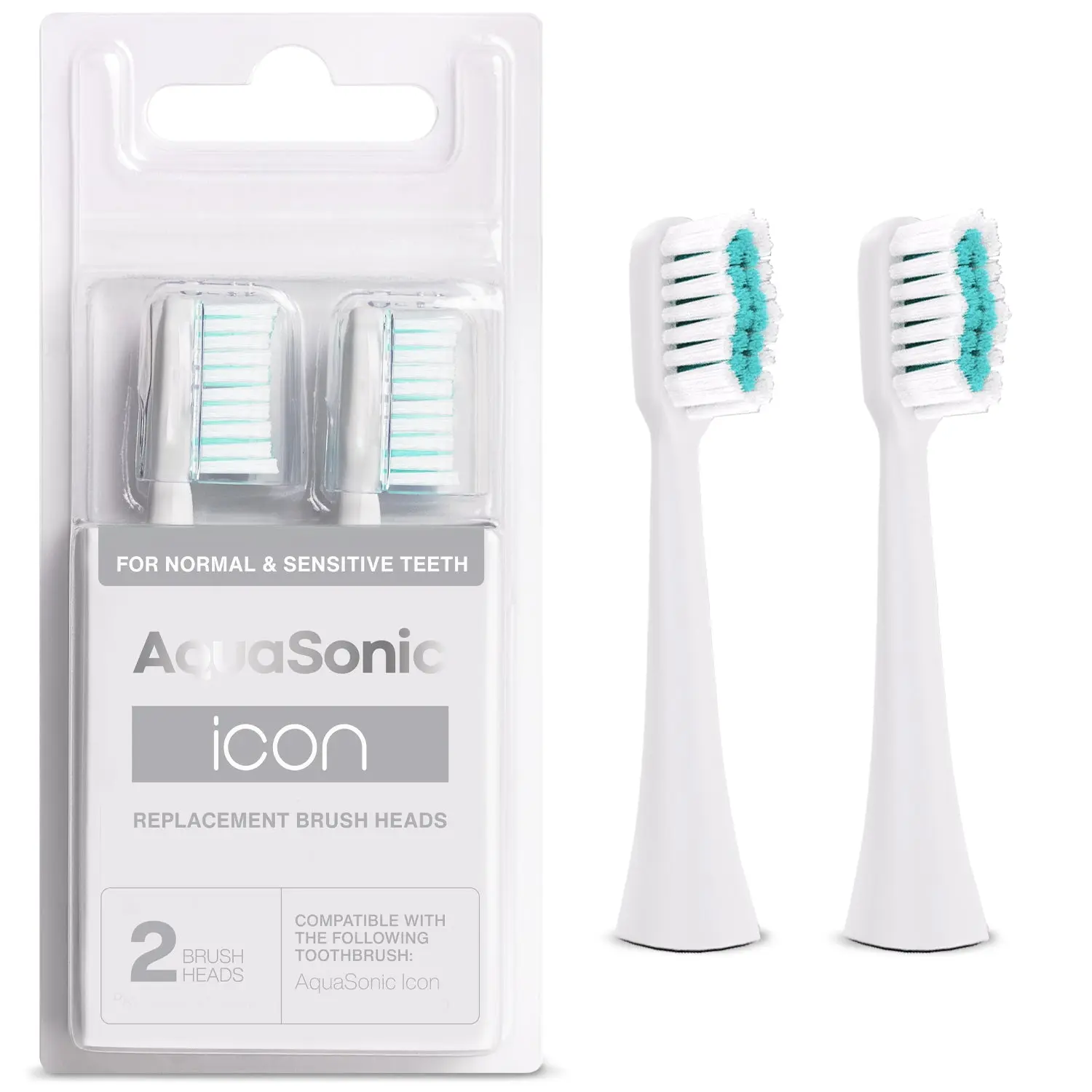


MySmile

4.8
280 sold
$73.99


BURST Oral Care
5.0
6 sold
-27%$34.84$47.96


Related Searches
Related Categories
Introduction
Maintaining proper oral hygiene is crucial for overall health, and incorporating both a toothbrush and flosser into your daily routine can make a significant difference. A toothbrush is designed to clean the surfaces of your teeth, effectively removing plaque and preventing cavities. However, brushing alone is often not enough. This is where a flosser comes in handy. Dental floss helps reach the tight spaces between your teeth that a toothbrush cannot access, ensuring a comprehensive clean.
When selecting a toothbrush, consider the bristle type—soft, medium, or hard—depending on your dental needs. A soft-bristled toothbrush is generally recommended by dentists, as it is gentle on the gums and enamel. For flossers, you can choose between traditional string floss or innovative devices like water flossers, which can be more effective for some users.
Here are some tips for using a toothbrush and flosser effectively:
When selecting a toothbrush, consider the bristle type—soft, medium, or hard—depending on your dental needs. A soft-bristled toothbrush is generally recommended by dentists, as it is gentle on the gums and enamel. For flossers, you can choose between traditional string floss or innovative devices like water flossers, which can be more effective for some users.
Here are some tips for using a toothbrush and flosser effectively:
- Brush twice a day for at least two minutes.
- Use a gentle circular motion when brushing.
- Floss daily to remove food particles and plaque from between teeth.
- Consider using a mouthwash for additional protection against bacteria.
- Visit your dentist regularly for check-ups and professional cleanings.