Results for "toilet waterproofing"
Toilet waterproofing refers to the process of applying protective materials to prevent water damage in toilet areas, ensuring that leaks do not occur and maintaining the integrity of the surrounding structures.


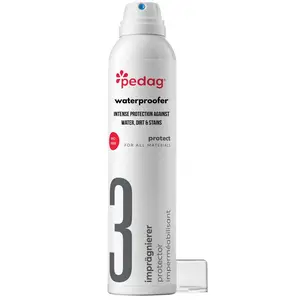


5.0
4 sold
-31%$9.49$13.72


Related Searches
Related Categories
Introduction
Toilet waterproofing is an essential aspect of bathroom maintenance that every homeowner should consider. By implementing effective waterproofing solutions, you can protect your bathroom from potential water damage and mold growth, which can arise from leaks or spills around the toilet area. Waterproofing is not just about applying a sealant; it involves a comprehensive approach to ensure that all areas are safeguarded against moisture.
Here are some key benefits of toilet waterproofing:
When considering toilet waterproofing, it is crucial to use high-quality adhesives, tapes, and sealers specifically designed for wet environments. These products provide a reliable barrier against moisture, ensuring that your toilet area remains dry and safe.
Regularly inspecting and maintaining your waterproofing solutions is vital. Look for or damage, and address any issues promptly to avoid costly repairs in the future. Remember, proven quality products that are customer-approved will ensure that your bathroom remains a clean and healthy space.
Stay ahead of potential problems by investing in toilet waterproofing today. With the right materials and techniques, you can create a durable and waterproof environment that protects your home and enhances your peace of mind.
Here are some key benefits of toilet waterproofing:
- Prevents water damage to floors and walls.
- Reduces the risk of mold and mildew growth.
- Enhances the longevity of your bathroom fixtures.
- Improves overall hygiene by minimizing leaks.
When considering toilet waterproofing, it is crucial to use high-quality adhesives, tapes, and sealers specifically designed for wet environments. These products provide a reliable barrier against moisture, ensuring that your toilet area remains dry and safe.
Regularly inspecting and maintaining your waterproofing solutions is vital. Look for or damage, and address any issues promptly to avoid costly repairs in the future. Remember, proven quality products that are customer-approved will ensure that your bathroom remains a clean and healthy space.
Stay ahead of potential problems by investing in toilet waterproofing today. With the right materials and techniques, you can create a durable and waterproof environment that protects your home and enhances your peace of mind.