Results for "to kill a mockingbird setting"
The setting of 'To Kill a Mockingbird' is primarily in the fictional town of Maycomb, Alabama, during the Great Depression. This backdrop plays a crucial role in shaping the characters and themes of the novel.


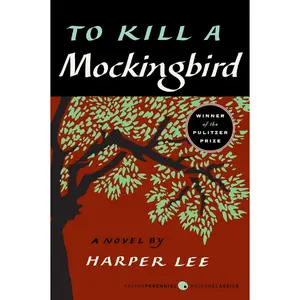
-47%$7.99$14.99


![To Kill a Mockingbird by Harper Lee [Paperback Book]](https://p16-oec-general-useast5.ttcdn-us.com/tos-useast5-i-omjb5zjo8w-tx/d580110701144e77a95420671b996553~tplv-fhlh96nyum-crop-webp:300:300.webp?dr=12190&t=555f072d&ps=933b5bde&shp=8dbd94bf&shcp=a6e80448&idc=useast5&from=2378011839 "To Kill a Mockingbird by Harper Lee [Paperback Book]")

![To Kill a Mockingbird by Harper Lee [Hardback Book]](https://p16-oec-general-useast5.ttcdn-us.com/tos-useast5-i-omjb5zjo8w-tx/d8c92fc18c1a4faa994439232312016e~tplv-fhlh96nyum-crop-webp:300:300.webp?dr=12190&t=555f072d&ps=933b5bde&shp=8dbd94bf&shcp=a6e80448&idc=useast5&from=2378011839 "To Kill a Mockingbird by Harper Lee [Hardback Book]")
![To Kill a Mockingbird (Harper Perennial Deluxe Editions) by Harper Lee [Paperback Book]](https://p16-oec-general-useast5.ttcdn-us.com/tos-useast5-i-omjb5zjo8w-tx/d91dea0dfea246baaacda5599a9c19a1~tplv-fhlh96nyum-crop-webp:300:300.webp?dr=12190&t=555f072d&ps=933b5bde&shp=8dbd94bf&shcp=a6e80448&idc=useast5&from=2378011839 "To Kill a Mockingbird (Harper Perennial Deluxe Editions) by Harper Lee [Paperback Book]")
HarperCollins

-20%$16.00$20.00


![To Kill a Mockingbird: 50th Anniversary Edition by Harper Lee [Paperback Book]](https://p16-oec-general-useast5.ttcdn-us.com/tos-useast5-i-omjb5zjo8w-tx/e1edeb7c24304c0fb87a5df7b4cdb5d5~tplv-fhlh96nyum-crop-webp:300:300.webp?dr=12190&t=555f072d&ps=933b5bde&shp=8dbd94bf&shcp=a6e80448&idc=useast5&from=2378011839 "To Kill a Mockingbird: 50th Anniversary Edition by Harper Lee [Paperback Book]")
HarperCollins
-20%$27.20$34.00

$8.50
![To Kill a Mockingbird Collector's Edition: A Novel by Harper Lee [Hardback Book]](https://p16-oec-general-useast5.ttcdn-us.com/tos-useast5-i-omjb5zjo8w-tx/027f305c58d74b33a1818456caab9726~tplv-fhlh96nyum-crop-webp:300:300.webp?dr=12190&t=555f072d&ps=933b5bde&shp=8dbd94bf&shcp=a6e80448&idc=useast5&from=2378011839 "To Kill a Mockingbird Collector's Edition: A Novel by Harper Lee [Hardback Book]")
HarperCollins
4.8
494 sold
-20%$25.60$32.00





$10.00


$12.00





$35.00


$12.99
Related Searches
Related Categories
Introduction
The setting of 'To Kill a Mockingbird' is a vital aspect of Harper Lee's classic novel, as it intricately weaves together the social, economic, and cultural fabric of the 1930s American South. Maycomb, Alabama, serves as the backdrop, depicting a small, sleepy town where racial tensions and moral dilemmas unfold. The Great Depression heavily influences the lives of the characters, highlighting issues of poverty, prejudice, and injustice.
As you delve into the pages of this literary masterpiece, you'll notice how the setting shapes the experiences of Scout Finch, her brother Jem, and their father, Atticus. The warm, yet often oppressive atmosphere of Maycomb reflects the complexities of human nature and societal norms.
Key aspects of the setting include:
As you delve into the pages of this literary masterpiece, you'll notice how the setting shapes the experiences of Scout Finch, her brother Jem, and their father, Atticus. The warm, yet often oppressive atmosphere of Maycomb reflects the complexities of human nature and societal norms.
Key aspects of the setting include:
- The close-knit community of Maycomb, where everyone knows each other's business.
- The stark contrast between the Finch household and the impoverished neighborhoods surrounding it.
- The presence of racial segregation, which profoundly impacts the characters' lives and choices.