Results for "thin lips theory evil"
The thin lips theory suggests a correlation between the appearance of thin lips and perceived negative personality traits. It is often discussed in psychological and sociological contexts, exploring how physical features can influence social perceptions.



![[TikTok Shop Exclusive] fwee Easy Lazy Lip Combo | LONG-LASTING DUAL COLORING STICK LIP + LINER & 3D Voluming Gloss | Transproof Lip Combo |](https://p16-oec-general-useast5.ttcdn-us.com/tos-useast5-i-omjb5zjo8w-tx/856d66aeee644e39a67c48485e856575~tplv-fhlh96nyum-crop-webp:300:299.webp?dr=12190&t=555f072d&ps=933b5bde&shp=8dbd94bf&shcp=a6e80448&idc=useast5&from=2378011839 "[TikTok Shop Exclusive] fwee Easy Lazy Lip Combo | LONG-LASTING DUAL COLORING STICK LIP + LINER & 3D Voluming Gloss | Transproof Lip Combo |")
![[TIMEPHORIA HOT 2PCS] Stellar Dust Lip Stain + Altera Blurring Lip Tint](https://p16-oec-general-useast5.ttcdn-us.com/tos-useast5-i-omjb5zjo8w-tx/4fc0c1188c074de3858f60fb6d087551~tplv-fhlh96nyum-crop-webp:300:300.webp?dr=12190&t=555f072d&ps=933b5bde&shp=8dbd94bf&shcp=a6e80448&idc=useast5&from=2378011839 "[TIMEPHORIA HOT 2PCS] Stellar Dust Lip Stain + Altera Blurring Lip Tint")
![[VT Official] Viral Reedleshot Lip Plumper gloss lips, VT Reedle Shot Lip Plumper Expert, Beginner, Colored Lip Plumper, Spiculed Lip plumper, Lip plump korean skincare products, kbeauty viral Comfort Glossy Lipgloss Makeup, Volufiline](https://p16-oec-general-useast5.ttcdn-us.com/tos-useast5-i-omjb5zjo8w-tx/c71871d6fab14b23b611d4206b255b4c~tplv-fhlh96nyum-crop-webp:300:300.webp?dr=12190&t=555f072d&ps=933b5bde&shp=8dbd94bf&shcp=a6e80448&idc=useast5&from=2378011839 "[VT Official] Viral Reedleshot Lip Plumper gloss lips, VT Reedle Shot Lip Plumper Expert, Beginner, Colored Lip Plumper, Spiculed Lip plumper, Lip plump korean skincare products, kbeauty viral Comfort Glossy Lipgloss Makeup, Volufiline")
![[TIMEPHORIA NEW LAUNCH !] Altera Blurring Lip Tint 5ml - Smooth & Hydrating Formula for Soft Lips - Perfect for Any Makeup Look](https://p16-oec-general-useast5.ttcdn-us.com/tos-useast5-i-omjb5zjo8w-tx/e981d8a62f364318a30509c44817ddbe~tplv-fhlh96nyum-crop-webp:300:299.webp?dr=12190&t=555f072d&ps=933b5bde&shp=8dbd94bf&shcp=a6e80448&idc=useast5&from=2378011839 "[TIMEPHORIA NEW LAUNCH !] Altera Blurring Lip Tint 5ml - Smooth & Hydrating Formula for Soft Lips - Perfect for Any Makeup Look")


Too Faced

4.8
274 sold
$28.00


Too Faced
4.3
2.7K sold
$18.00

Too Faced
4.7
2.5K sold
$24.00


![[TIRTIR Official] Mini Size Waterism Tinted Lip Stain - Glossy Dewy Lipstick Lip Tint Makeup Blend Radiant Cosmetic](https://p16-oec-general-useast5.ttcdn-us.com/tos-useast5-i-omjb5zjo8w-tx/11038fc2d45b4de2abde5f887954dd8d~tplv-fhlh96nyum-crop-webp:300:300.webp?dr=12190&t=555f072d&ps=933b5bde&shp=8dbd94bf&shcp=a6e80448&idc=useast5&from=2378011839 "[TIRTIR Official] Mini Size Waterism Tinted Lip Stain - Glossy Dewy Lipstick Lip Tint Makeup Blend Radiant Cosmetic")
TIRTIR Inc.

4.2
18.5K sold
-15%$6.68$7.90


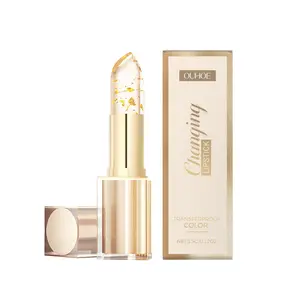


![[TIRTIR Official] MOOD GLIDER LIP & BLUSH STICK - Dual Function Compact Makeup Stick for Lips and Cheeks](https://p16-oec-general-useast5.ttcdn-us.com/tos-useast5-i-omjb5zjo8w-tx/99d03be140174643a6ca152b4728eee9~tplv-fhlh96nyum-crop-webp:300:300.webp?dr=12190&t=555f072d&ps=933b5bde&shp=8dbd94bf&shcp=a6e80448&idc=useast5&from=2378011839 "[TIRTIR Official] MOOD GLIDER LIP & BLUSH STICK - Dual Function Compact Makeup Stick for Lips and Cheeks")
TIRTIR Inc.
4.6
18.3K sold
-23%$15.38$20.00

Too Faced
4.6
292 sold
$29.00
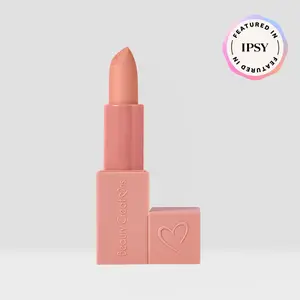
Beauty Creations Cosmetics
4.6
2.7K sold
-10%$5.40$6.00
Related Searches
Related Categories
Introduction
The thin lips theory has sparked interest in both psychological and social discussions, focusing on how physical attributes, such as lip thickness, can impact the perception of an individual's character. Many believe that individuals with thin lips may be viewed as less approachable or even associated with negative traits. This theory raises questions about societal biases and the influence of physical appearance on interpersonal relationships.
Understanding the thin lips theory involves examining various aspects:
Understanding the thin lips theory involves examining various aspects:
- Perceptions and Bias: Studies have shown that people often make quick judgments based on physical traits, which can lead to stereotypes.
- Psychological Implications: The theory suggests that thin lips might be linked to traits like aloofness or unfriendliness, although this is not universally accepted.
- Social Context: Cultural norms and beauty standards can heavily influence how features like lip thickness are perceived.