Target Reading Glasses
Frames and reading glasses for close-up print, screens, and everyday magnification shopping.
Featured brands
Authenticated productsVerified shops


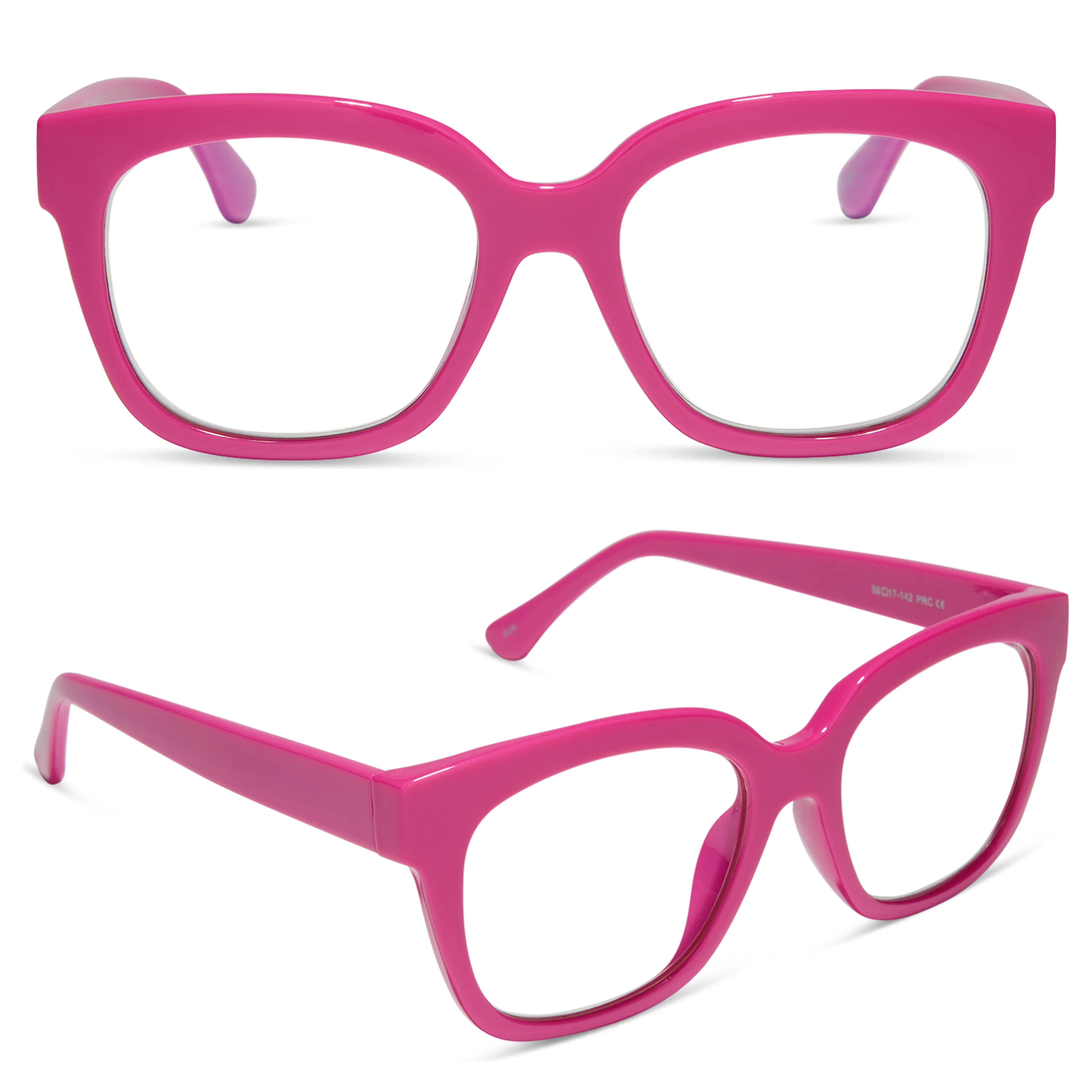
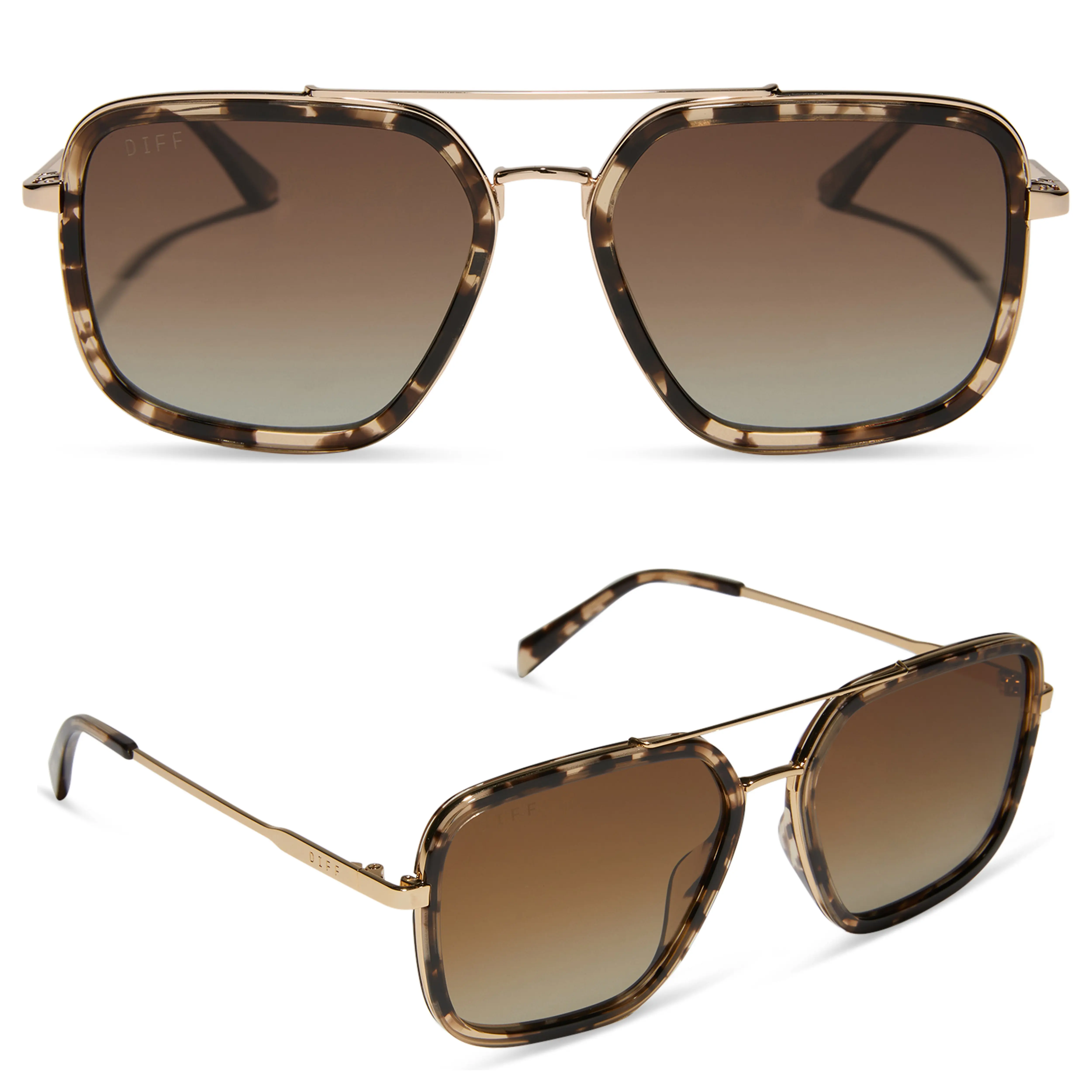

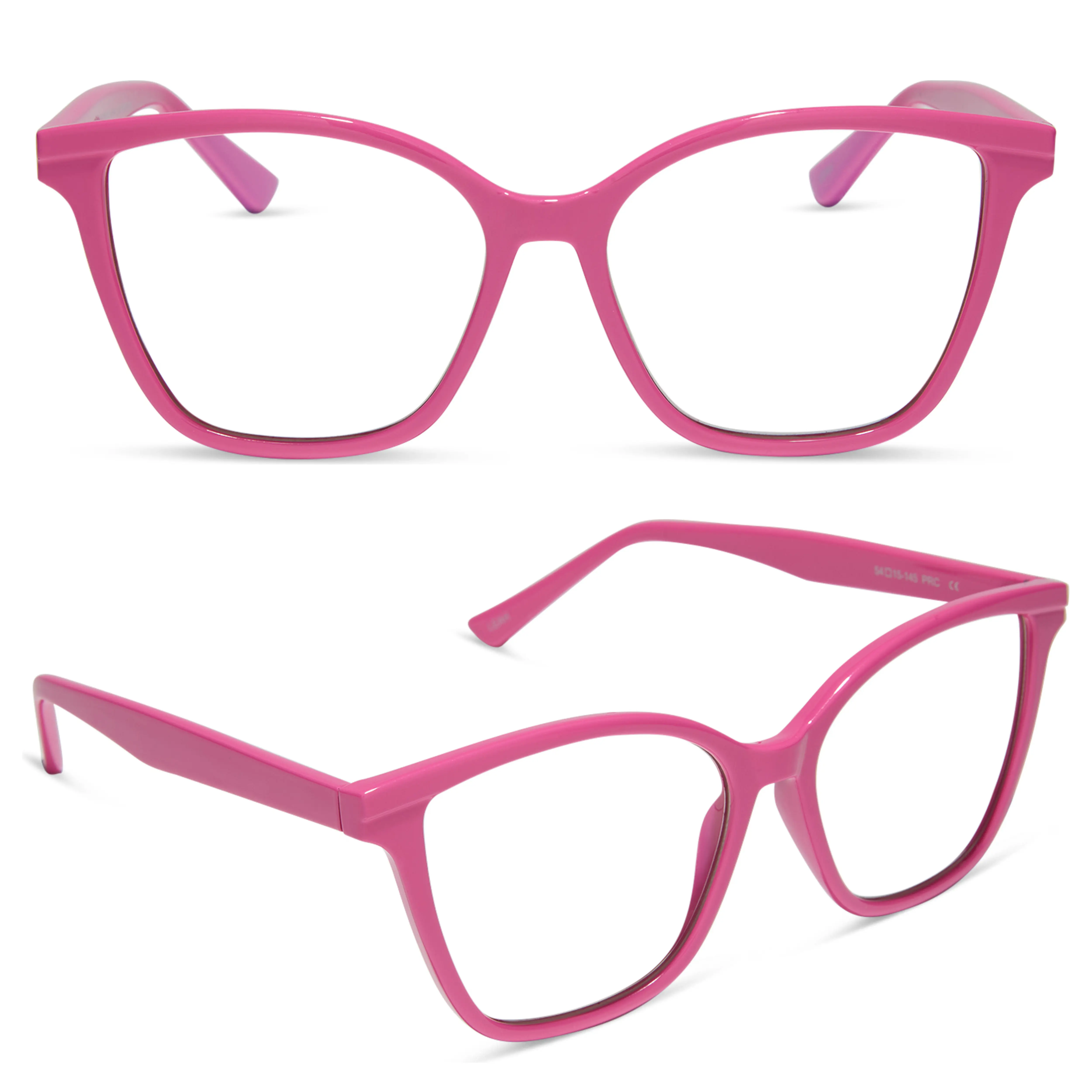


DIFF EYEWEAR

4.7
65 sold
-32%$70.99$105.00


DIFF EYEWEAR
4.6
1.0K sold
-5%$55.10$58.00


Related Searches
Related Categories
Introduction
People who search a mass retailer plus readers want diopter strength, frame width, and a hinge that survives a bag, not that store's private-label assortment copied here.
- Match the diopter printed on the temple or listing to the magnification you already wear for books or phones.
- Compare lens width, bridge, and temple length so the pair sits level without pinching.
- Note blue-light coatings, spring hinges, and whether the pair is full-frame, half-eye, or folding.
Keep a spare pair in a hard sleeve once the numbers line up, and replace readers that scratch instead of forcing a wrong strength.