Results for "synthetic rope vs cable winch"
Synthetic rope and cable winches are essential tools for towing and recovery operations, each offering unique benefits and applications.


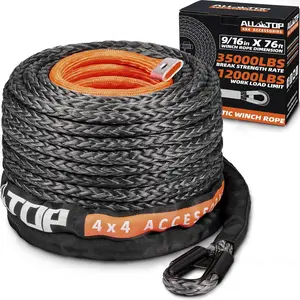


-26%$1,050.75$1,418.50


Related Searches
Related Categories
Introduction
When it comes to towing and recovery, understanding the differences between synthetic rope and cable winches is crucial for making an informed decision. Synthetic rope is known for its lightweight nature, flexibility, and safety features, making it a popular choice among off-road enthusiasts and those in need of reliable recovery solutions. In contrast, cable winches, typically made from steel, provide durability and strength, ideal for heavy-duty applications.
Here are some key points to consider when choosing between synthetic rope and cable winches:
Here are some key points to consider when choosing between synthetic rope and cable winches:
- Weight: Synthetic rope is lighter, which can be a significant advantage when weight is a concern.
- Safety: Synthetic ropes are less likely to recoil dangerously if they break, making them a safer option.
- Durability: Cable winches are more resistant to abrasion and can handle harsher conditions.
- Maintenance: Synthetic ropes require less maintenance but can be damaged by UV exposure.
- Cost: While synthetic ropes may have a higher upfront cost, their longevity can make them a cost-effective choice in the long run.