swimming pool filtration system
A swimming pool filtration system is essential for maintaining clean and clear water in swimming pools. It works by circulating water through filters that remove debris, dirt, and contaminants.
Featured brands
Authenticated productsVerified shops


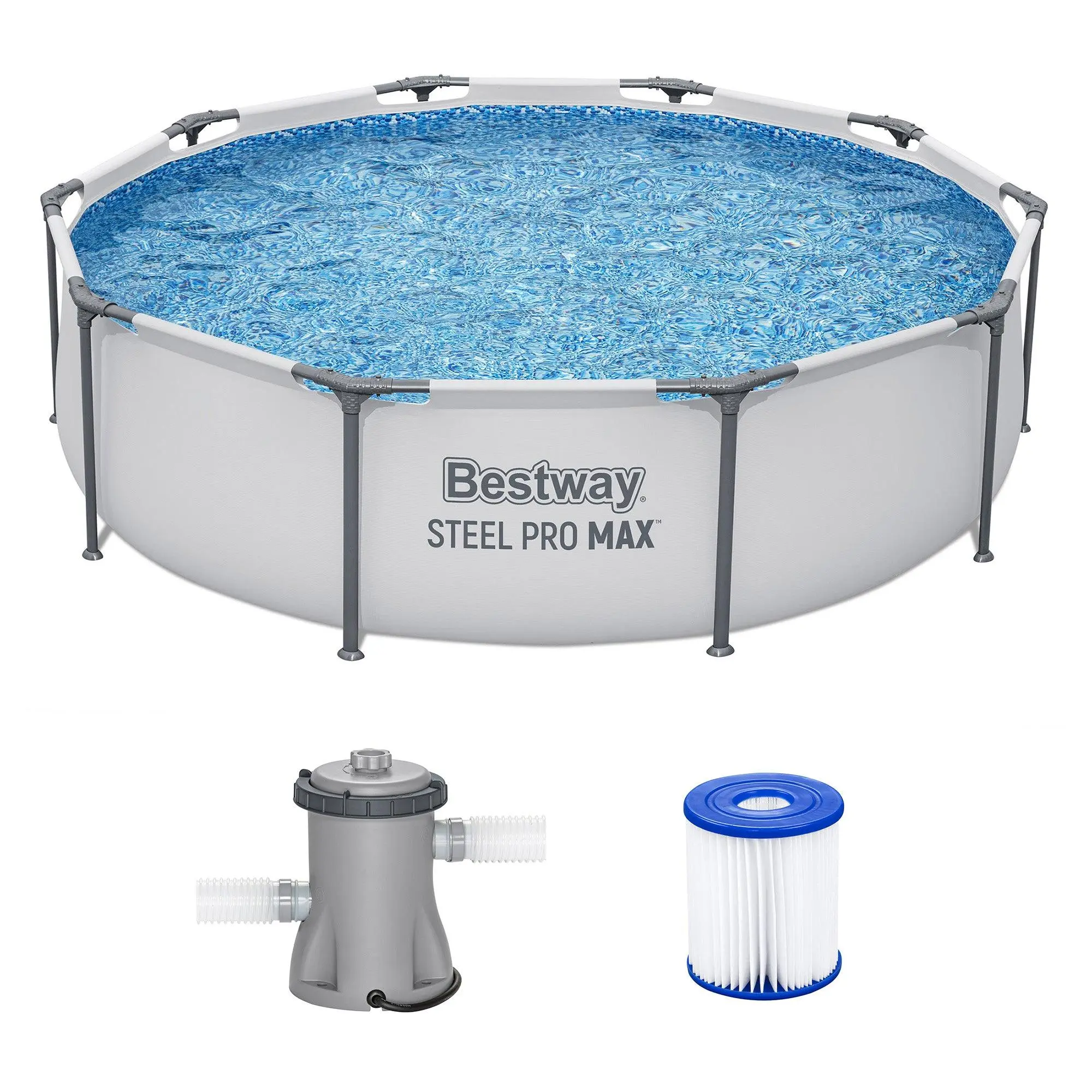

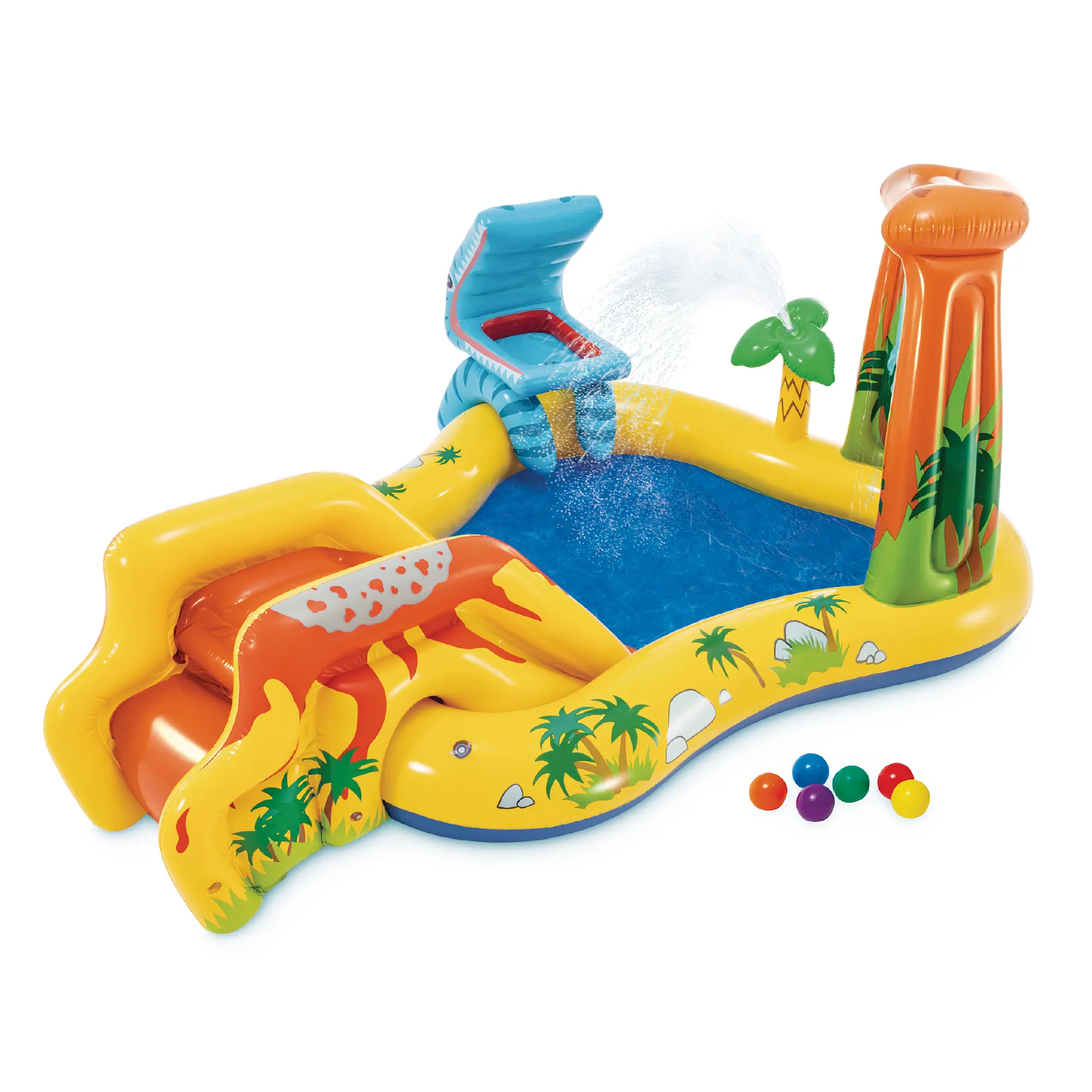
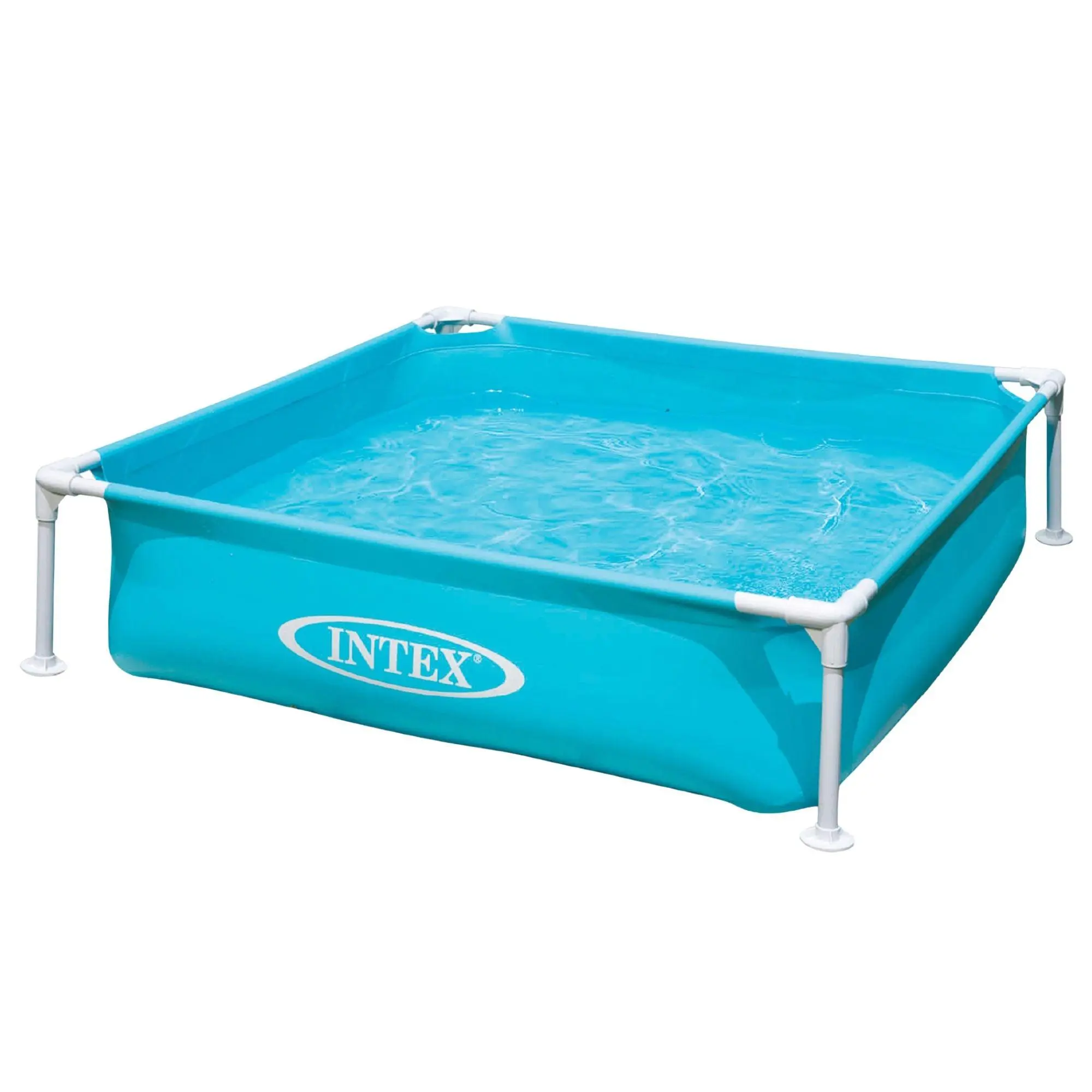


Spreetail

5.0
17 sold
$82.99


Spreetail
4.2
24 sold
-11%$82.99$93.59


Spreetail
1 sold
-59%$346.71$839.99


Spreetail
5.0
3 sold
-8%$89.99$97.48


Related Searches
Related Categories
Introduction
A swimming pool filtration system is a crucial component for any pool owner aiming to keep their swimming environment clean and safe. This system works by continuously circulating water, allowing it to pass through filters that capture dirt, debris, and other contaminants, ensuring that your pool remains inviting for swimmers. Regular maintenance of your swimming pool filtration system not only enhances water clarity but also prolongs the lifespan of your pool equipment.
Here are some key benefits of having a reliable swimming pool filtration system:
When choosing a swimming pool filtration system, consider factors such as the size of your pool, the type of filtration (sand, cartridge, or diatomaceous earth), and the system's flow rate. Investing in a quality filtration system is a decision that pays off in the long run, ensuring that your pool is always ready for a refreshing swim. Remember to check for customer-approved brands and proven quality to make the best choice for your needs.
Here are some key benefits of having a reliable swimming pool filtration system:
- Improved Water Quality: A good filtration system helps eliminate harmful particles and bacteria, providing a healthier swimming experience.
- Reduced Chemical Use: By effectively filtering out debris, you can minimize the need for excessive chemicals, making your pool more environmentally friendly.
- Enhanced Equipment Longevity: Keeping your pool water clean can prevent damage to pumps and heaters, saving you money on repairs.
- Time-Saving: A well-functioning filtration system requires less frequent manual cleaning, allowing you more time to enjoy your pool.
When choosing a swimming pool filtration system, consider factors such as the size of your pool, the type of filtration (sand, cartridge, or diatomaceous earth), and the system's flow rate. Investing in a quality filtration system is a decision that pays off in the long run, ensuring that your pool is always ready for a refreshing swim. Remember to check for customer-approved brands and proven quality to make the best choice for your needs.