Results for "sodium pentothal truth serum"
Sodium pentothal, commonly known as truth serum, is a barbiturate that was historically used to induce a state of relaxation and openness, often in interrogation settings.


Vibriance

4.8
1.4K sold

-15%$39.94$47.00
![[celimax official] Ultimate anti-aging trio](https://p16-oec-general-useast5.ttcdn-us.com/tos-useast5-i-omjb5zjo8w-tx/4a25f64658b24aa48c3caf2112a5bf9a~tplv-fhlh96nyum-crop-webp:300:300.webp?dr=12190&t=555f072d&ps=933b5bde&shp=8dbd94bf&shcp=a6e80448&idc=useast5&from=2378011839 "[celimax official] Ultimate anti-aging trio")
![[EXPRESSIONS] PDRN Peptide Anti-Aging Serum Topical Non-Greasy Gel Anti-Wrinkle Glass Skin 35mL Firming Lift with Ginseng & Sodium DNA Targeted Repair for Forehead, Frown & Nasolabial Folds Spa-Grade Botox Alternative Serum](https://p19-oec-general-useast5.ttcdn-us.com/tos-useast5-i-omjb5zjo8w-tx/2786b58cc0ba4f1dab19997487fc60aa~tplv-fhlh96nyum-crop-webp:300:300.webp?dr=12190&t=555f072d&ps=933b5bde&shp=8dbd94bf&shcp=a6e80448&idc=useast5&from=2378011839 "[EXPRESSIONS] PDRN Peptide Anti-Aging Serum Topical Non-Greasy Gel Anti-Wrinkle Glass Skin 35mL Firming Lift with Ginseng & Sodium DNA Targeted Repair for Forehead, Frown & Nasolabial Folds Spa-Grade Botox Alternative Serum")

5.0
50 sold
-58%$10.59$25.00


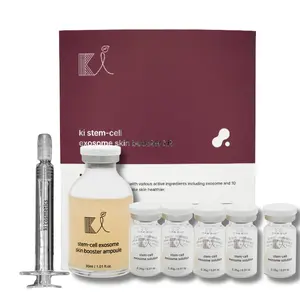
![[Dear Klairs Official] Blue Youth Activating Drop | #1 EGF Serum, Acne Mark Clearing & Skin Repair, EGF Peptide 10ppm](https://p16-oec-general-useast5.ttcdn-us.com/tos-useast5-i-omjb5zjo8w-tx/6df6ebf9294a4dd0aa7347f71dddfb1f~tplv-fhlh96nyum-crop-webp:300:300.webp?dr=12190&t=555f072d&ps=933b5bde&shp=8dbd94bf&shcp=a6e80448&idc=useast5&from=2378011839 "[Dear Klairs Official] Blue Youth Activating Drop | #1 EGF Serum, Acne Mark Clearing & Skin Repair, EGF Peptide 10ppm")


4.7
17.1K sold
-26%$63.05$85.00


![[NEW] [medicube] NAD+ EGF Firming Serum | NAD+, EGF, Collagen Extract, Anti-aging, Plumping, Radiance Boosting Serum | Cares for Look of Fine Lines, Skin Elasticity & Firmness For Youthful-looking Skin (30ml / 1.01 fl. oz.) | Korean Skincare, K-Beauty](https://p16-oec-general-useast5.ttcdn-us.com/tos-useast5-i-omjb5zjo8w-tx/4035999843124cc2b104c5f225354ae5~tplv-fhlh96nyum-crop-webp:300:300.webp?dr=12190&t=555f072d&ps=933b5bde&shp=8dbd94bf&shcp=a6e80448&idc=useast5&from=2378011839 "[NEW] [medicube] NAD+ EGF Firming Serum | NAD+, EGF, Collagen Extract, Anti-aging, Plumping, Radiance Boosting Serum | Cares for Look of Fine Lines, Skin Elasticity & Firmness For Youthful-looking Skin (30ml / 1.01 fl. oz.) | Korean Skincare, K-Beauty")

![[celimax official] Korean dark spot care duo l tiktok viral retinal shot booster & TXA 5% cream, Wrinkles & Fine Lines, Firmer Skin, Pore Minimizer, Non-Irritating, Korean Skincare](https://p16-oec-general-useast5.ttcdn-us.com/tos-useast5-i-omjb5zjo8w-tx/c386ec1a25d04c55a260e2284c768250~tplv-fhlh96nyum-crop-webp:300:300.webp?dr=12190&t=555f072d&ps=933b5bde&shp=8dbd94bf&shcp=a6e80448&idc=useast5&from=2378011839 "[celimax official] Korean dark spot care duo l tiktok viral retinal shot booster & TXA 5% cream, Wrinkles & Fine Lines, Firmer Skin, Pore Minimizer, Non-Irritating, Korean Skincare")

Peter Thomas Roth Labs

5.0
96 sold
-42%$65.00$113.00
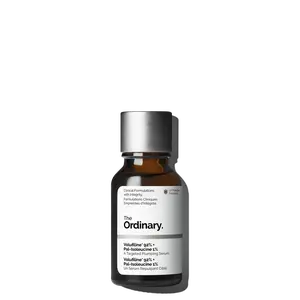
![[NEW] [medicube] Ultra Light PDRN Pink Peptide Serum | Lightweight Hydrating Serum with Salmon PDRN & Hyaluronic Acid | Fast-Absorbing Glow Care for Skin Clarity | K-Beauty, Korean Skincare (30ml / 1.01 fl. oz.)](https://p16-oec-general-useast5.ttcdn-us.com/tos-useast5-i-omjb5zjo8w-tx/d170b2de0511412e9e49b4188148b9d3~tplv-fhlh96nyum-crop-webp:300:300.webp?dr=12190&t=555f072d&ps=933b5bde&shp=8dbd94bf&shcp=a6e80448&idc=useast5&from=2378011839 "[NEW] [medicube] Ultra Light PDRN Pink Peptide Serum | Lightweight Hydrating Serum with Salmon PDRN & Hyaluronic Acid | Fast-Absorbing Glow Care for Skin Clarity | K-Beauty, Korean Skincare (30ml / 1.01 fl. oz.)")

Peter Thomas Roth Labs
4.3
601 sold
$65.00
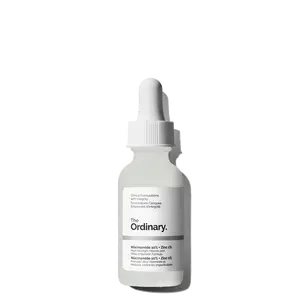
![[Cardi B Pick] BIOHEAL BOH Probioderm 3D Lifting Skincare Set | Korean Night Cream, Serum & Face Mist for Lifting & Firming | Perfect Anti-Aging Routine for Dry, Dull, Saggy Skin | Mother’s Day Gift](https://p16-oec-general-useast5.ttcdn-us.com/tos-useast5-i-omjb5zjo8w-tx/57a2b8bf84f2476ca052ed1b6fa628b3~tplv-fhlh96nyum-crop-webp:300:300.webp?dr=12190&t=555f072d&ps=933b5bde&shp=8dbd94bf&shcp=a6e80448&idc=useast5&from=2378011839 "[Cardi B Pick] BIOHEAL BOH Probioderm 3D Lifting Skincare Set | Korean Night Cream, Serum & Face Mist for Lifting & Firming | Perfect Anti-Aging Routine for Dry, Dull, Saggy Skin | Mother’s Day Gift")
The Ordinary Store
4.6
124.1K sold
$6.00


$58.00




Related Searches
Related Categories
Introduction
Sodium pentothal, often referred to as truth serum, is a fascinating substance that has garnered much attention in both popular culture and medical settings. This barbiturate was primarily utilized in the mid-20th century to elicit truthful responses from individuals during interrogations or therapy sessions. While its effectiveness has been debated, sodium pentothal remains a significant topic of discussion in psychology and law enforcement.
The use of sodium pentothal raises questions about ethics and the reliability of information obtained under its influence. Here are some key points to consider:
Sodium pentothal continues to intrigue both the medical community and the general public. Understanding its implications can help navigate the complexities surrounding its use. Whether you're interested in its historical significance or ethical considerations, sodium pentothal remains a captivating topic worthy of exploration.
The use of sodium pentothal raises questions about ethics and the reliability of information obtained under its influence. Here are some key points to consider:
- Historical Context: Sodium pentothal was first introduced in the 1930s and gained popularity during World War II.
- Mechanism of Action: It acts as a central nervous system depressant, leading to a state of relaxation, which some believe may encourage honesty.
- Limitations: Experts argue that while sodium pentothal can lower inhibitions, it does not guarantee truthful responses.
- Current Usage: Today, its use is largely restricted to medical settings, particularly in anesthesia.
- Ethical Concerns: The use of truth serum raises significant ethical questions regarding consent and the validity of information obtained.
Sodium pentothal continues to intrigue both the medical community and the general public. Understanding its implications can help navigate the complexities surrounding its use. Whether you're interested in its historical significance or ethical considerations, sodium pentothal remains a captivating topic worthy of exploration.