Results for "sleepingpills"
Sleeping pills are medications designed to help individuals fall asleep or stay asleep. They are often prescribed for insomnia and other sleep disorders.


4.2
411.8K sold
-33%$26.99$39.99


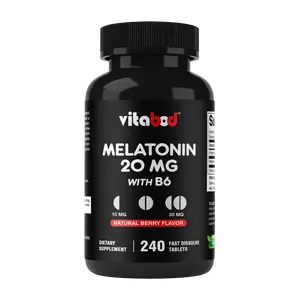
Official Vitamatic

4.8
205 sold
$9.99

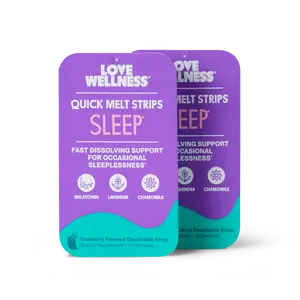
Love Wellness Store
4.1
6.8K sold
-20%$20.78$25.98


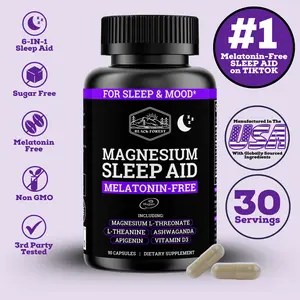


Micro Ingredients
4.6
4.8K sold
-13%$19.95$22.95


Carlyle Nutritionals
4.5
1.4K sold
$13.09


Carlyle Nutritionals

4.6
370 sold
$11.89

Carlyle Nutritionals
4.8
230 sold
$13.29


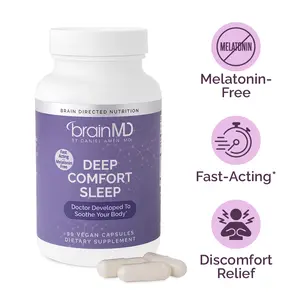
BrainMD
4.2
493 sold
-15%$35.65$41.95

Related Searches
Related Categories
Introduction
Sleeping pills are a common solution for those struggling with sleep issues. These medications can provide relief for individuals who find it difficult to fall asleep or stay asleep throughout the night. With so many options available, understanding sleeping pills is essential for making informed decisions about your sleep health.
Many people experience occasional sleeplessness, but for some, this can become a chronic issue. Sleeping pills can help bridge the gap between sleepless nights and restful sleep, allowing individuals to wake up feeling refreshed and rejuvenated. Here are some key points to consider when exploring sleeping pills:
Many people experience occasional sleeplessness, but for some, this can become a chronic issue. Sleeping pills can help bridge the gap between sleepless nights and restful sleep, allowing individuals to wake up feeling refreshed and rejuvenated. Here are some key points to consider when exploring sleeping pills:
- Types of Sleeping Pills: There are various types of sleeping pills, including prescription medications and over-the-counter options. Each has its own benefits and potential side effects.
- Usage Guidelines: It's important to follow your healthcare provider's recommendations regarding dosage and duration of use to avoid dependency.
- Side Effects: Common side effects may include drowsiness, dizziness, or confusion. Being aware of these can help you manage your expectations.
- Alternatives: Consider lifestyle changes and natural remedies as alternatives to sleeping pills for improving sleep quality.
- Consultation: Always consult with a healthcare professional before starting any medication, including sleeping pills, to ensure it's the right choice for you.