Results for "sim card android"
A SIM card is a small chip used in mobile devices, including Android smartphones, that connects the device to a mobile network, allowing for voice calls, text messaging, and data services.


Boost Mobile Shop

5.0
11 sold
$9.99


4.7
255 sold
-35%$194.99$299.99

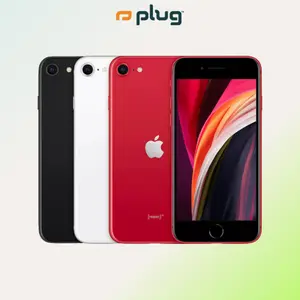
plug - shop tech
5.0
4 sold
-25%$119.99$159.99
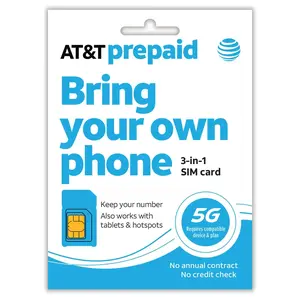


Related Searches
Related Categories
Introduction
When it comes to using your Android smartphone, a SIM card is an essential component that allows you to connect to your mobile network. The SIM card, or Subscriber Identity Module, stores important information such as your phone number, carrier details, and contacts. Without a SIM card, your Android device cannot access cellular services, making it crucial for communication on the go.
Here are some key points to understand about SIM cards for Android devices:
Here are some key points to understand about SIM cards for Android devices:
- Types of SIM Cards: There are several sizes of SIM cards, including standard, micro, and nano. Ensure you have the correct size for your Android phone.
- Activation: Most SIM cards need to be activated before use. This process can often be done online or by contacting your carrier.
- Dual SIM Capability: Some Android phones come with dual SIM slots, allowing you to use two different phone numbers or plans simultaneously.
- Data Plans: Choose a data plan that suits your needs, whether it’s for occasional browsing or heavy streaming.
- Security: SIM cards also come with security features to protect your information, such as PIN codes and encryption.