shoes for deadlifting
Shoes for deadlifting are specialized footwear designed to provide stability, support, and grip during deadlift exercises, enhancing performance and safety.
Featured brands
Authenticated productsVerified shops

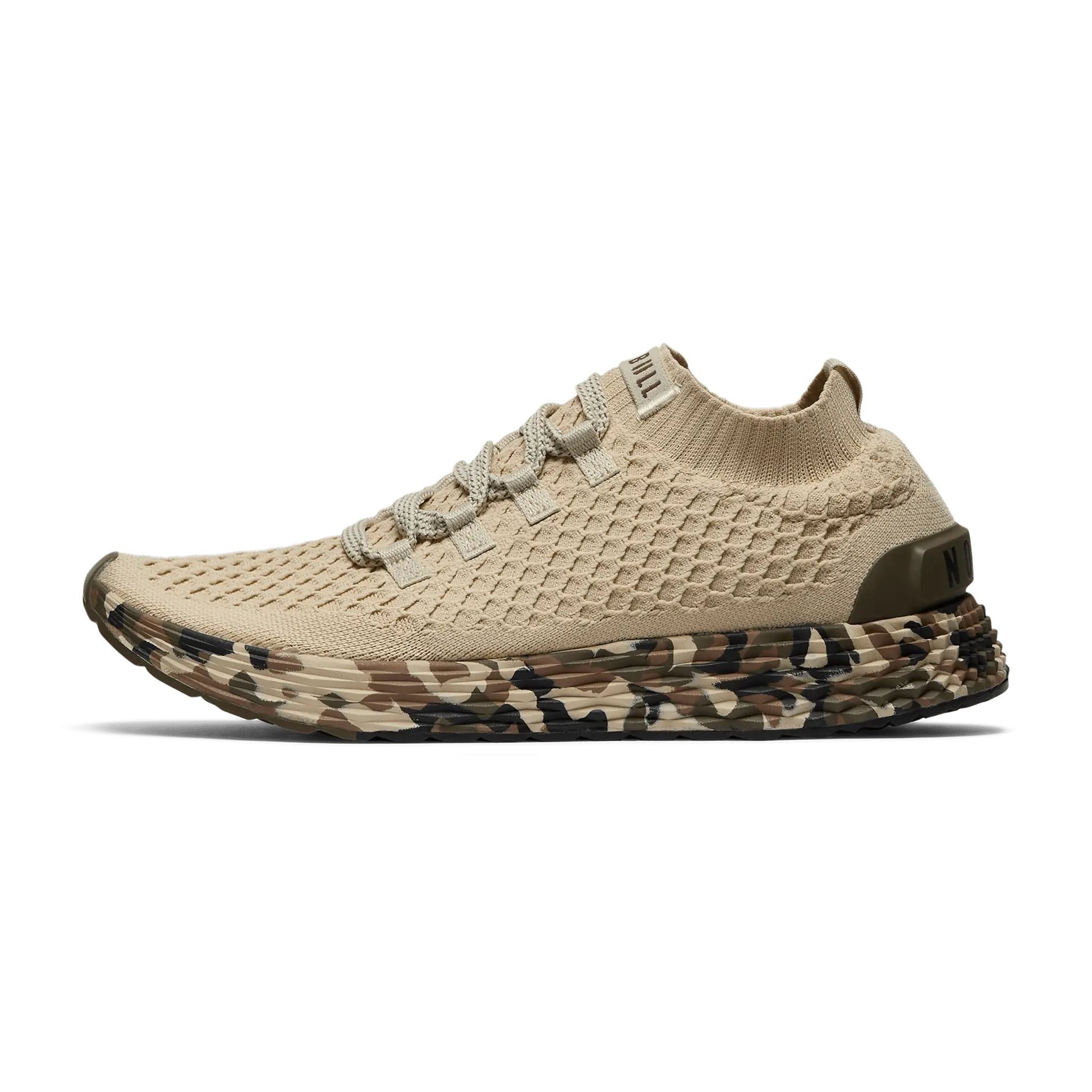
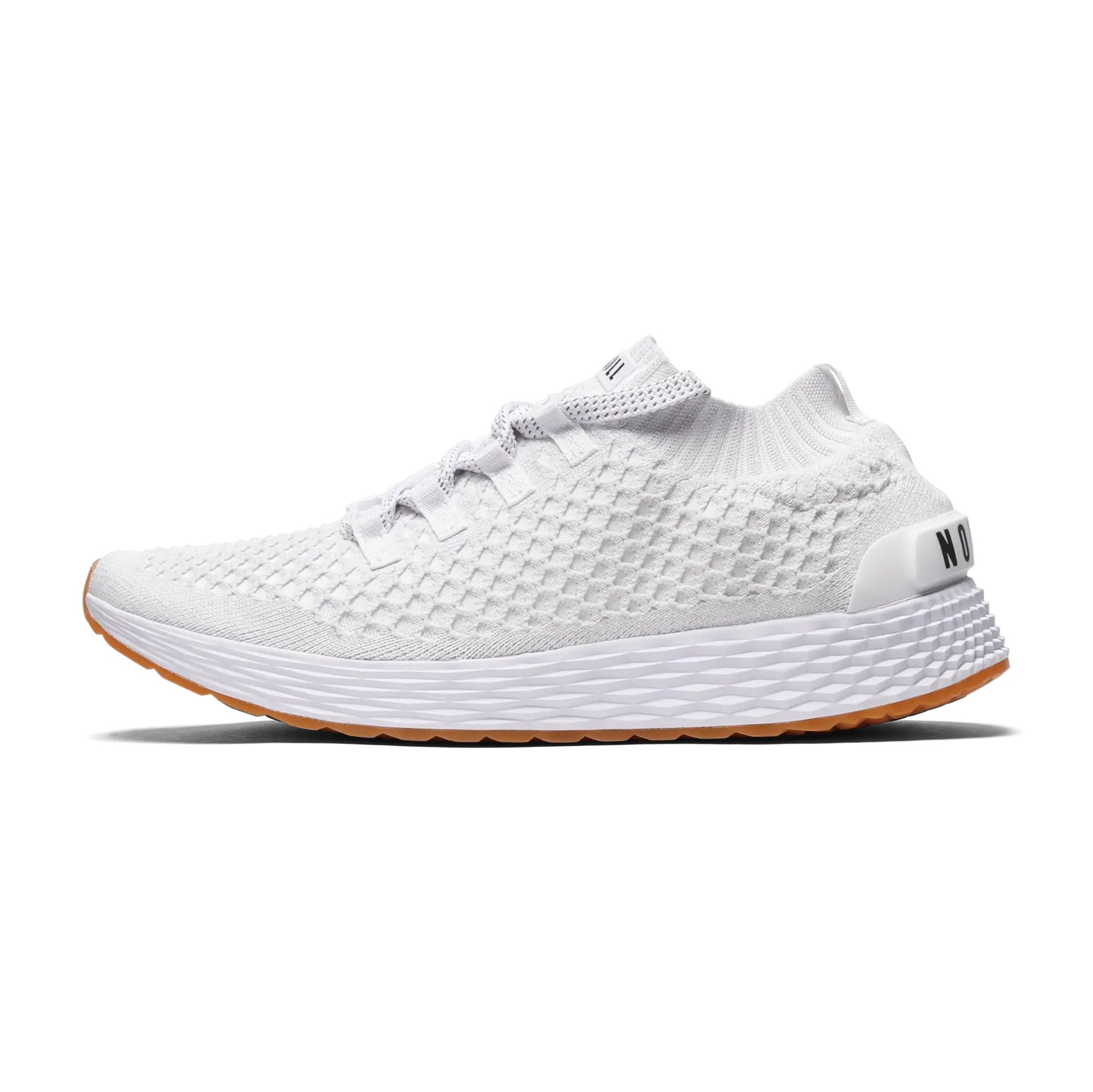
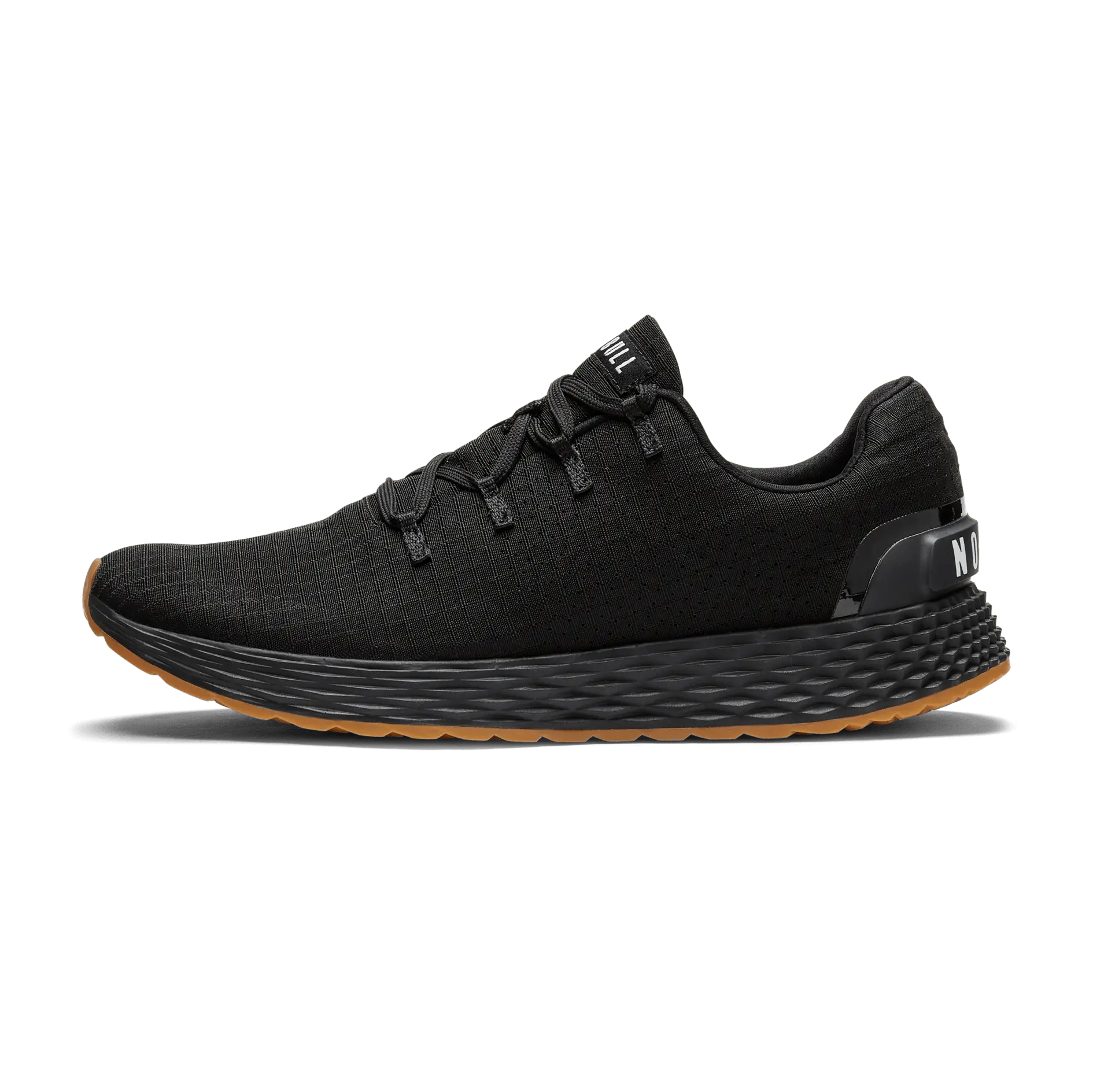
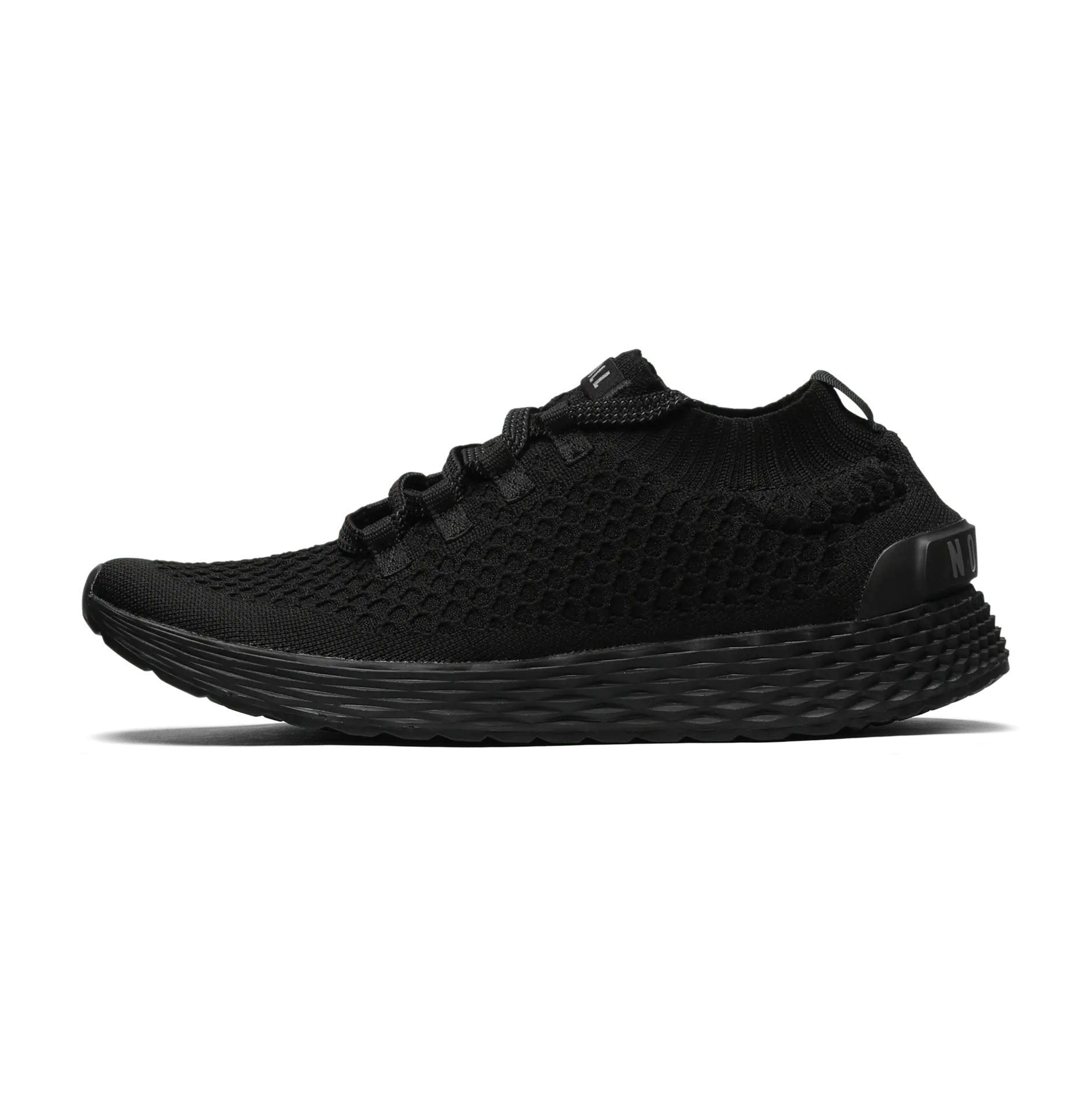

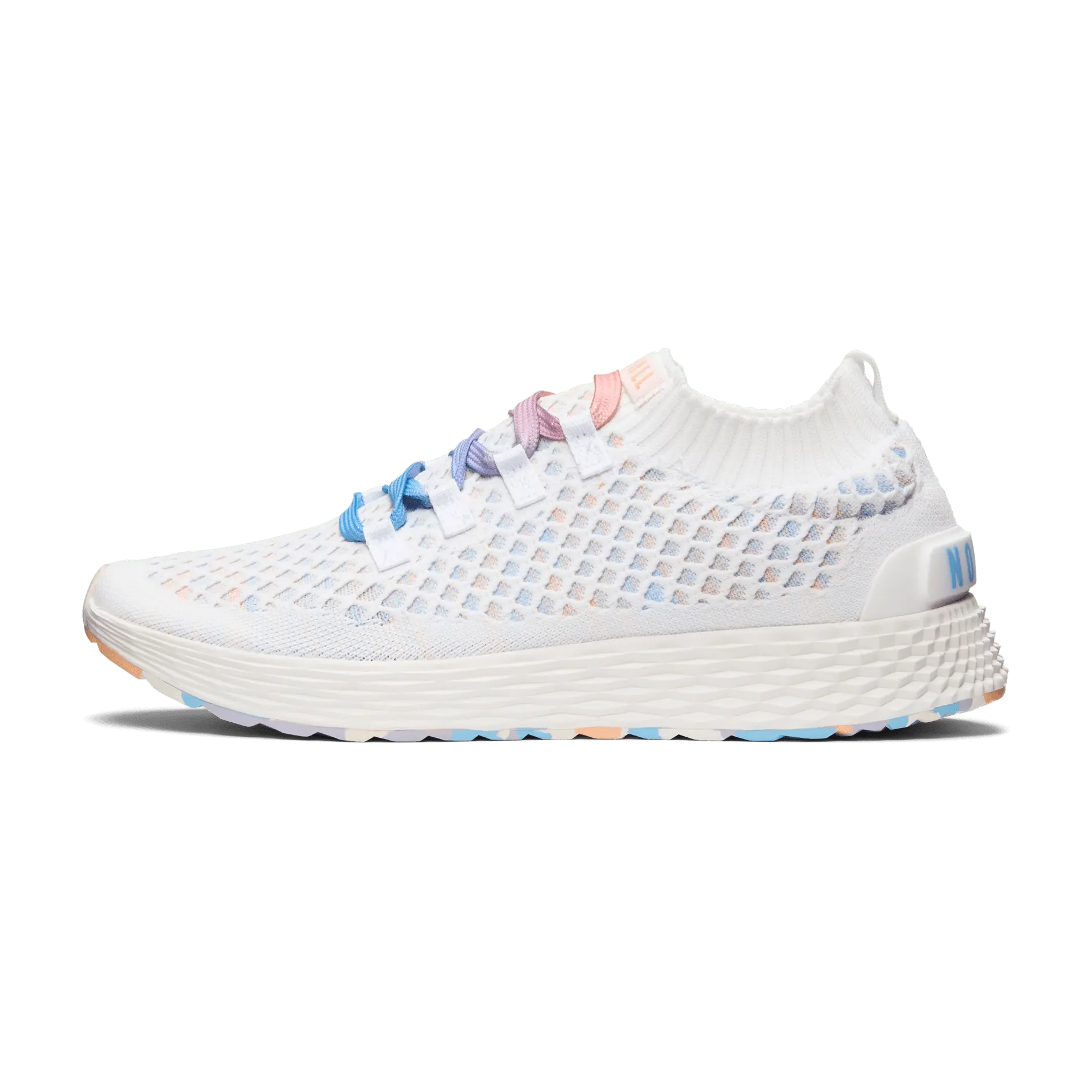


5 sold
-40%$89.99$149.99


Related Searches
Introduction
When it comes to weight training, particularly deadlifting, the right footwear can make a significant difference in your performance. Shoes for deadlifting are specifically engineered to offer the necessary support and stability that lifters need to maximize their strength and minimize the risk of injury. These shoes typically feature a flat sole, which allows for a solid connection to the ground, ensuring that your weight is evenly distributed and your balance is maintained throughout the lift.
Choosing the right shoes for deadlifting can enhance your lifting experience in several ways:
Choosing the right shoes for deadlifting can enhance your lifting experience in several ways:
- Stability: A flat outsole provides a stable base that helps you maintain proper form.
- Grip: High-quality shoes often have rubber soles that offer excellent traction, preventing slipping during heavy lifts.
- Support: Many deadlifting shoes come with added support around the ankle and foot to help prevent injuries.
- Durability: These shoes are designed to withstand the rigors of weight training, ensuring they last through countless workouts.