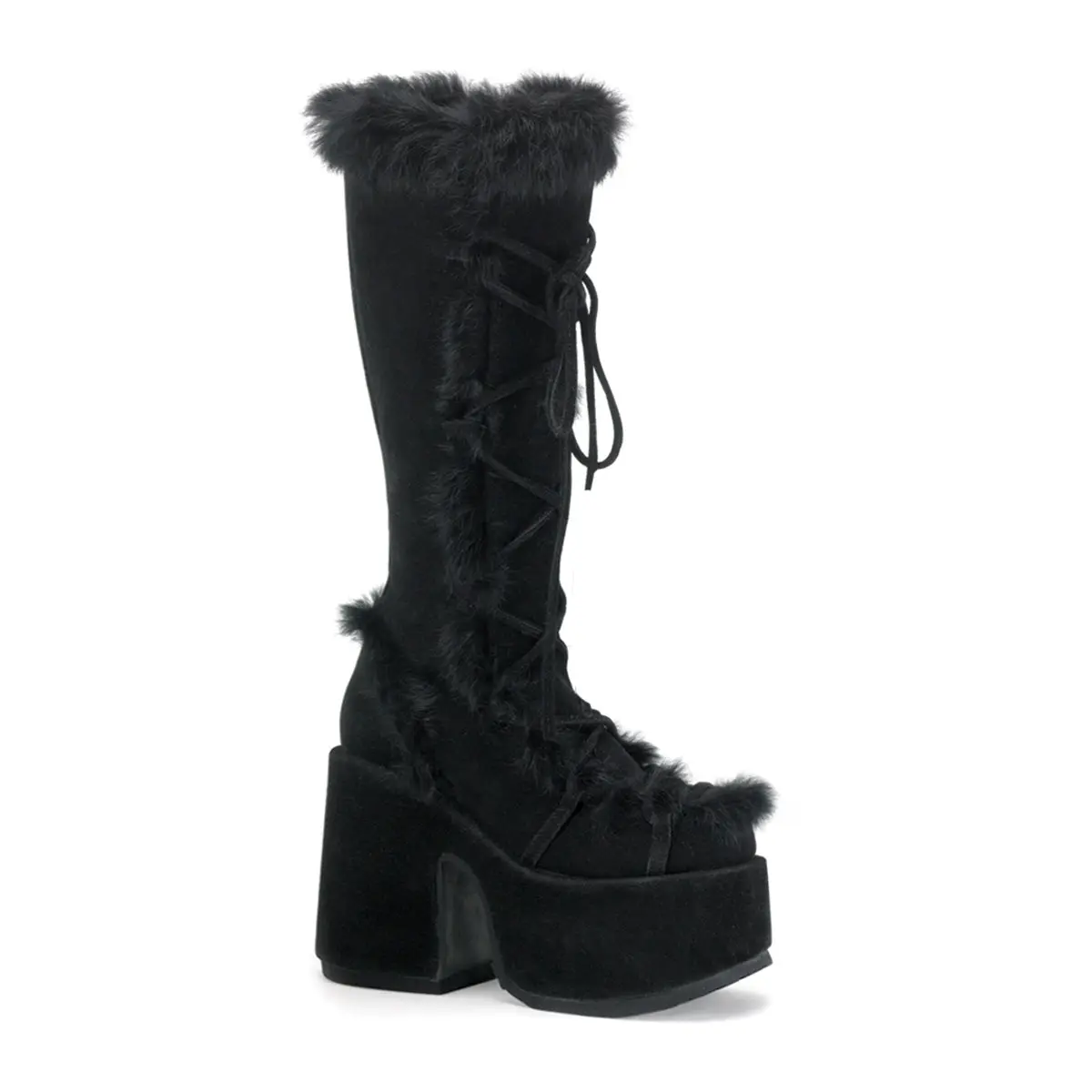
shoe lacing

Shoe lacing refers to the method of threading shoelaces through the eyelets of shoes to secure them on the foot. It plays a crucial role in both functionality and style.

Featured brands
Authenticated productsVerified shops

Demonia Shoelaces (for Knee-high Boots)
Free shipping
White - Thin Oval Laces
Free shipping
angelus
4.949 sold
$8.95

Introduction

Shoe lacing is an essential aspect of footwear that combines practicality with personal expression. Proper shoe lacing not only ensures a snug fit but also enhances the overall aesthetic of your shoes. Whether you're looking to tighten your sneakers for a workout or create a stylish look with formal shoes, mastering the art of shoe lacing is key. Here are some popular lacing techniques you might want to explore:
  • Criss-Cross Lacing: The most common method where laces cross over each other.
  • Straight Lacing: This method creates a clean look, ideal for dress shoes.
  • Bar Lacing: A unique style that runs horizontally, offering a modern appearance.
  • Loop Lacing: This technique provides extra support and is great for athletic shoes.
Understanding different shoe lacing techniques can help you not only to secure your shoes properly but also to express your individuality. Many people overlook the importance of lacing, but it can significantly affect comfort and style. With so many options available, it's easy to find a method that suits your needs. Remember, well-laced shoes can boost your confidence and ensure you step out in style. So, whether you're heading to the gym or a formal event, take a moment to consider how you lace your shoes. Proven quality and customer-approved lacing techniques can make all the difference in your footwear experience. Explore the world of shoe lacing today and discover how it can elevate your footwear game.

FAQs

Consider your shoe type and the occasion. For athletic shoes, criss-cross or loop lacing provides support, while straight lacing is ideal for formal shoes.

Look for durability, length, and material. Cotton and polyester are popular choices, and ensure the length matches your shoe type.

Yes, common mistakes include lacing too tightly, which can cause discomfort, or too loosely, which may lead to slipping.

Absolutely! Different techniques can distribute pressure more evenly, enhancing comfort and support.

It's good practice to replace shoelaces when they show or fraying, typically every few months depending on usage.