shadow aesthetic
Shadow aesthetic refers to a visual style that emphasizes the interplay of light and dark, creating a moody and atmospheric effect. This aesthetic often incorporates shadows in photography, art, and design to evoke feelings of mystery and depth.
Featured brands
Authenticated productsVerified shops


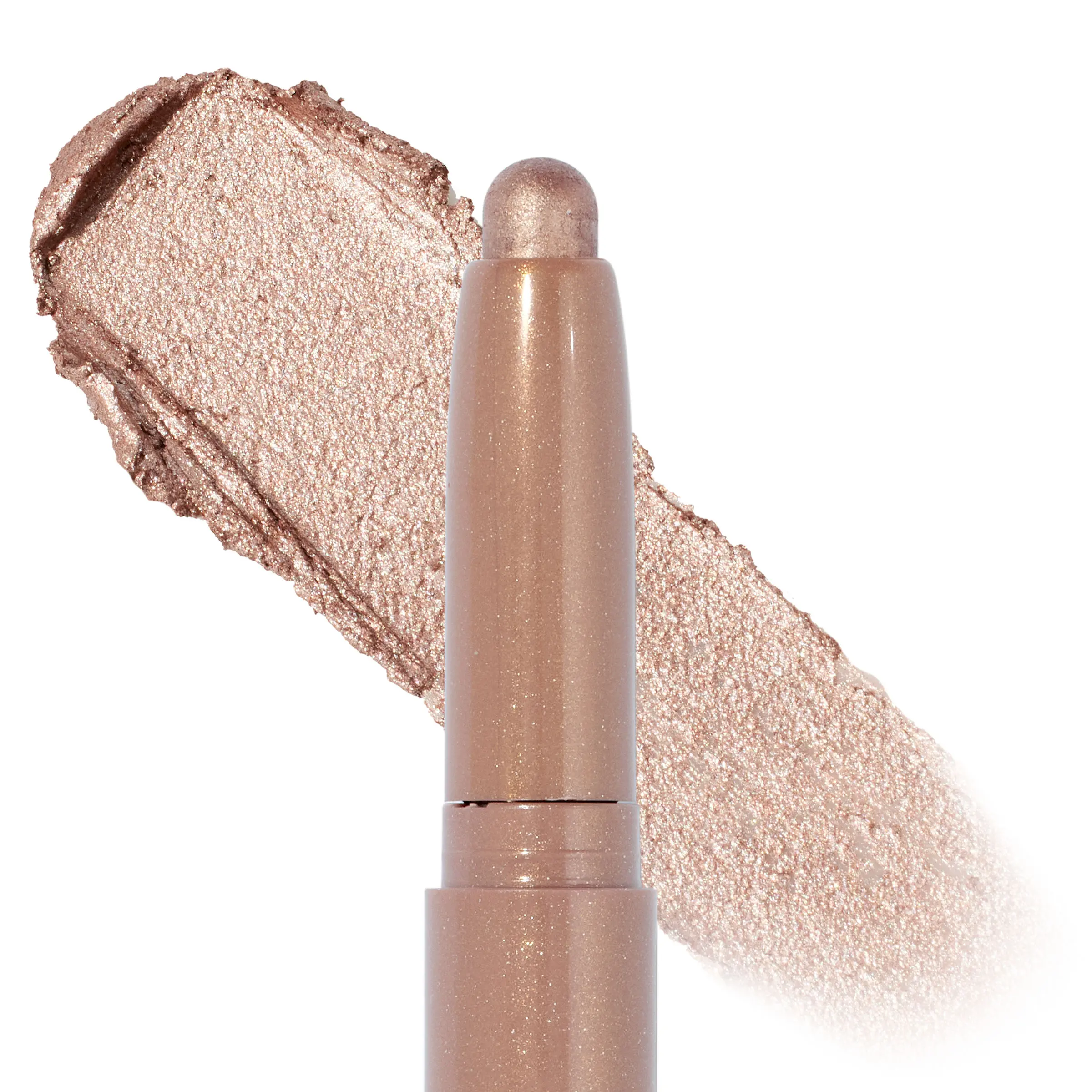
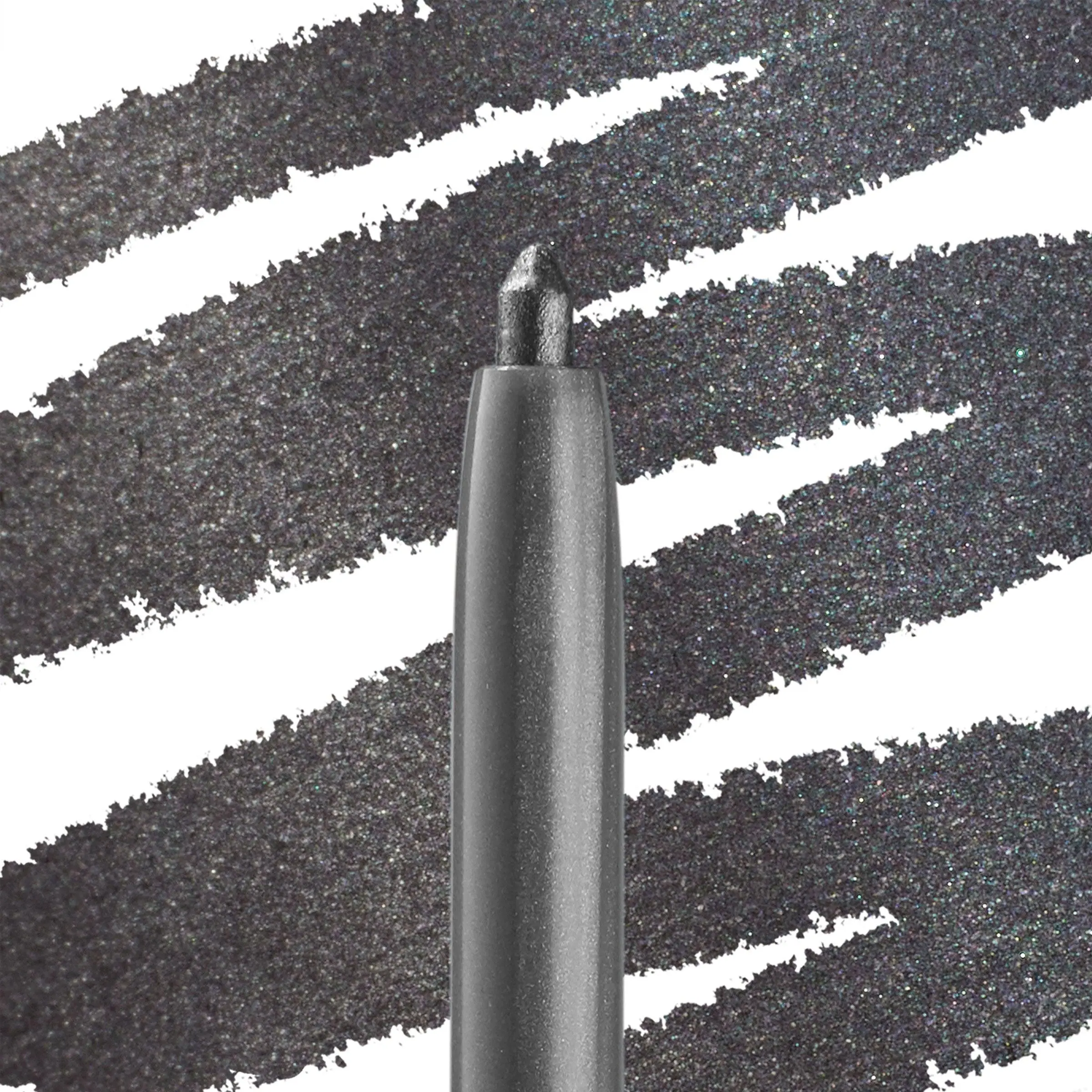
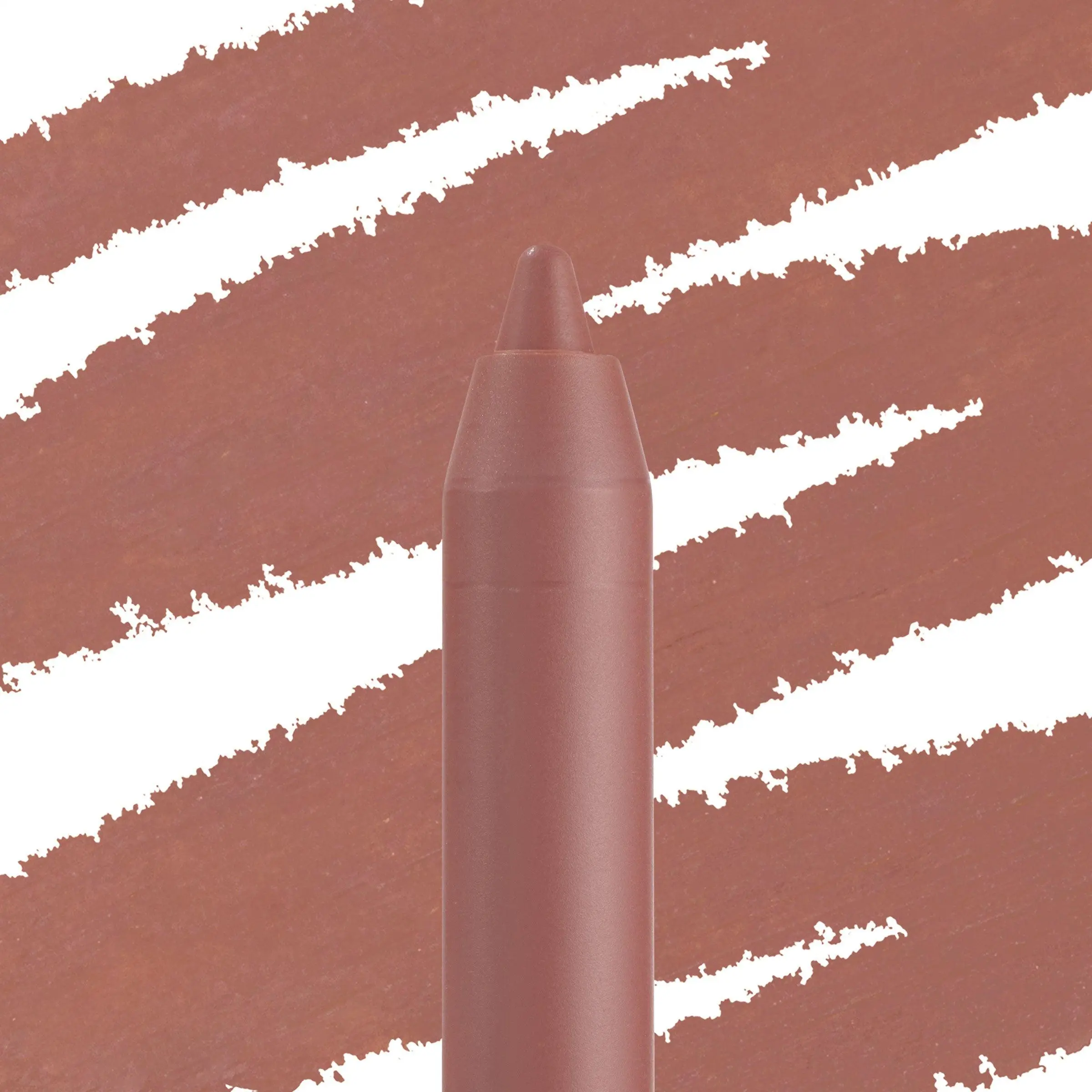




ColourPop Cosmetics

4.9
17.3K sold
$29.99


Related Searches
Related Categories
Introduction
The shadow aesthetic is a captivating visual trend that has gained popularity among artists, photographers, and designers. By focusing on the contrast between light and dark, the shadow aesthetic creates a unique atmosphere that can evoke emotions and tell stories through subtlety and depth. This aesthetic is characterized by the use of shadows to enhance the overall composition, adding layers and intrigue to images and designs.
Whether you're looking to transform your photography or enhance your interior design, embracing the shadow aesthetic can elevate your creative projects. Here are some key elements to consider:
Trusted by thousands of creatives, the shadow aesthetic allows for personal expression while maintaining a sense of artistry. Whether you're an aspiring photographer or a seasoned designer, integrating this aesthetic into your work can lead to stunning results. Regularly updating your understanding of this trend can keep your projects fresh and engaging.
Whether you're looking to transform your photography or enhance your interior design, embracing the shadow aesthetic can elevate your creative projects. Here are some key elements to consider:
- Contrast: The interplay of light and dark is essential to this aesthetic. High contrast images often capture attention and create a dramatic effect.
- Texture: Incorporating various textures can add depth to your work, making shadows more pronounced and interesting.
- Emotion: The shadow aesthetic often evokes feelings of nostalgia, mystery, or calmness, depending on how it's used.
- Color Palette: Muted colors paired with strong shadows can enhance the overall mood of your design.
Trusted by thousands of creatives, the shadow aesthetic allows for personal expression while maintaining a sense of artistry. Whether you're an aspiring photographer or a seasoned designer, integrating this aesthetic into your work can lead to stunning results. Regularly updating your understanding of this trend can keep your projects fresh and engaging.