sensory toothbrush
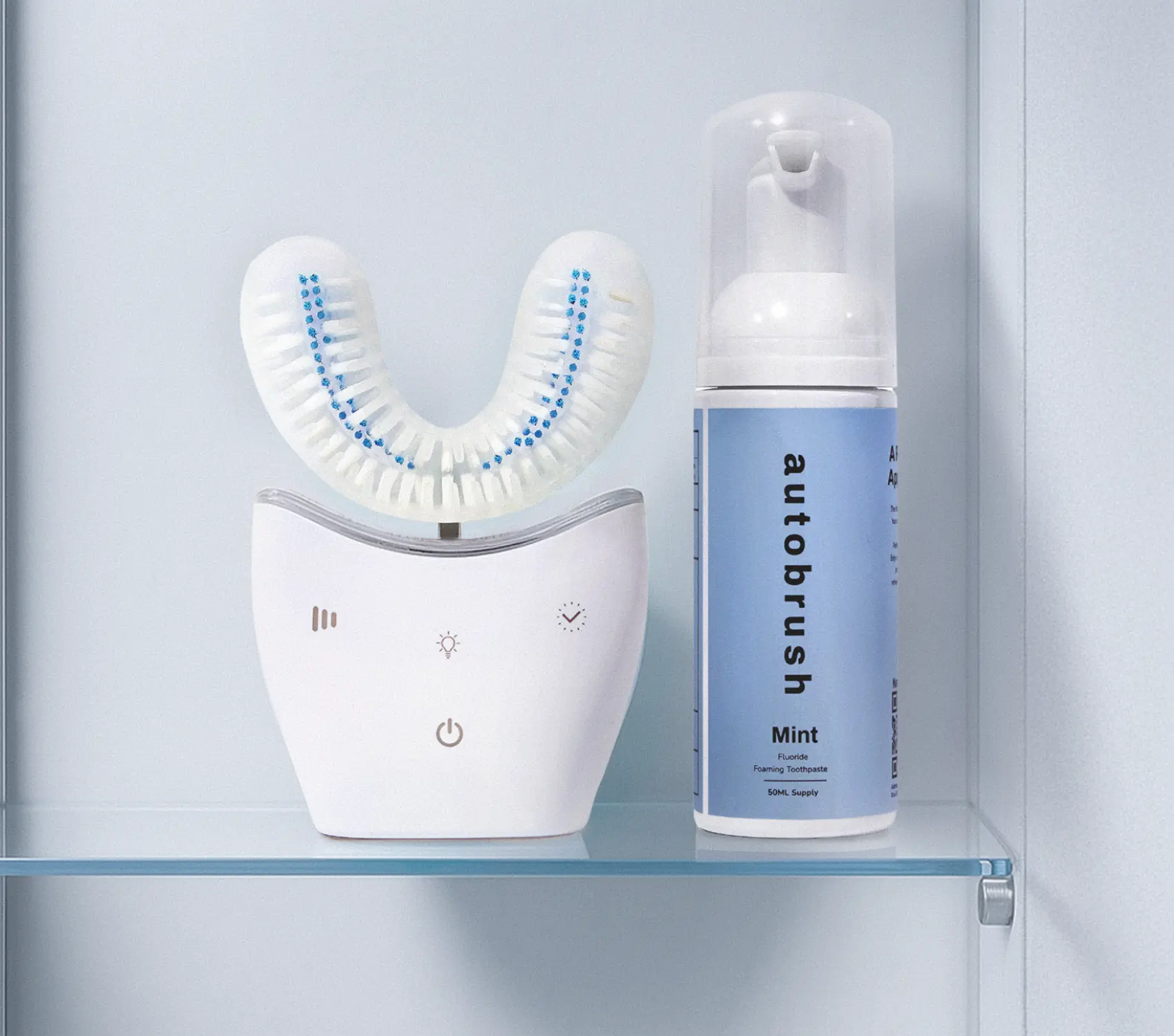
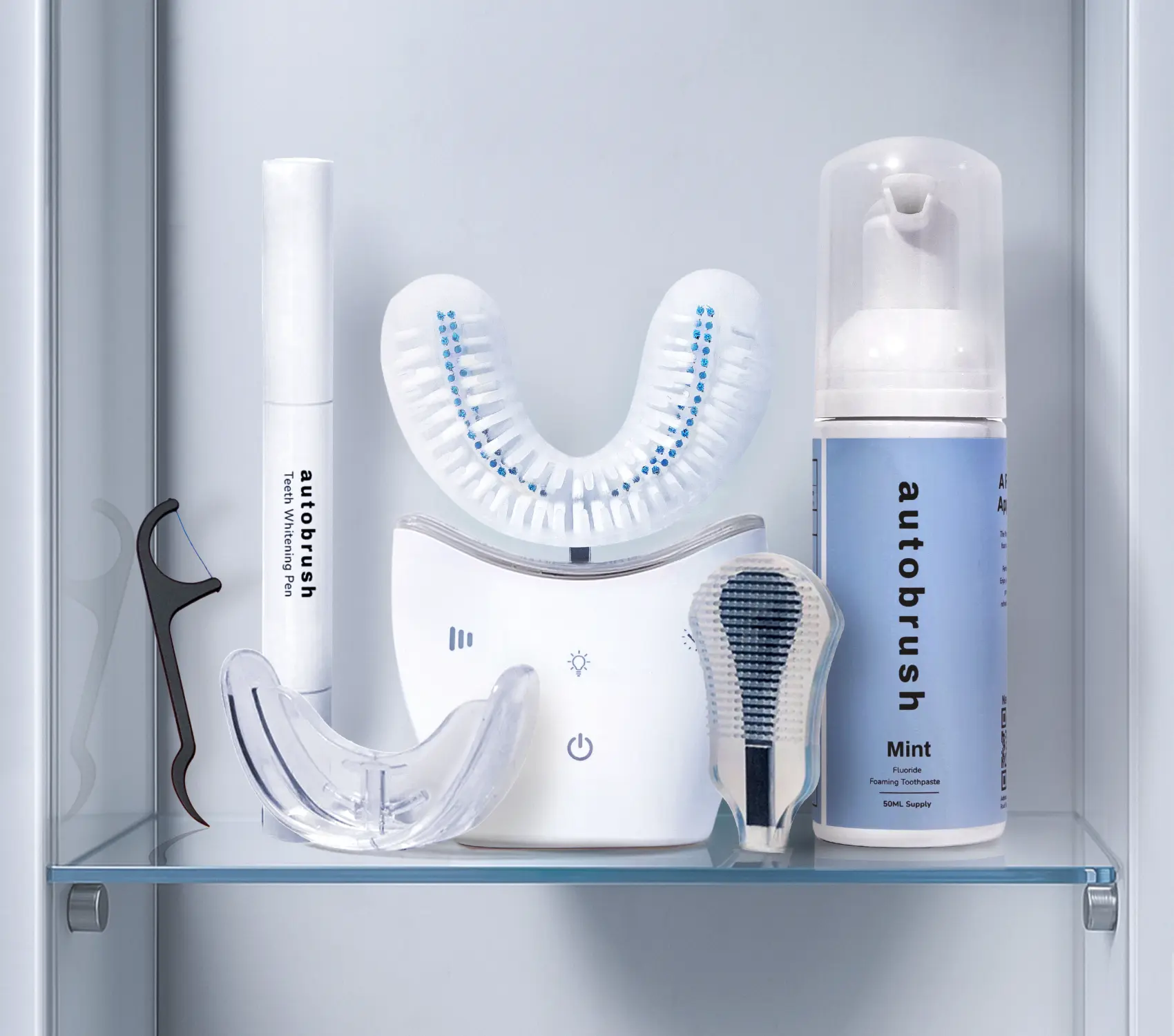
A sensory toothbrush is designed to enhance oral care experiences, particularly for individuals with sensory sensitivities. It features unique textures and designs to make brushing more enjoyable and effective.
Featured brands
Authenticated productsVerified shops






$18.00


Related Searches
Related Categories
Introduction
A sensory toothbrush is an innovative tool aimed at improving oral hygiene, especially for those who may have sensory processing challenges. These toothbrushes are equipped with various textures and features that cater to different sensory needs, making the brushing experience more comfortable and enjoyable.
Users often seek sensory toothbrushes for a variety of reasons, including:
By integrating sensory elements, these toothbrushes can help improve overall oral health and make daily routines less stressful.
When choosing a sensory toothbrush, consider the following factors:
Sensory toothbrushes are not only beneficial for children but can also assist adults who experience discomfort with standard toothbrushes. Many families report that using a sensory toothbrush has made a significant difference in their oral care routines, leading to better hygiene and a more positive attitude towards brushing.
With proven quality and designs trusted by thousands, sensory toothbrushes are becoming a popular choice in the realm of oral care. Regular updates to the designs ensure they meet the evolving needs of users, making them a reliable option for those seeking a more sensory-friendly brushing experience.
Users often seek sensory toothbrushes for a variety of reasons, including:
- Enhanced comfort during brushing
- Encouragement for children or individuals who resist traditional brushing
- Support for individuals with autism or other sensory sensitivities
By integrating sensory elements, these toothbrushes can help improve overall oral health and make daily routines less stressful.
When choosing a sensory toothbrush, consider the following factors:
- Brushing head size and shape
- Texture variations for tactile stimulation
- Handle grip for ease of use
Sensory toothbrushes are not only beneficial for children but can also assist adults who experience discomfort with standard toothbrushes. Many families report that using a sensory toothbrush has made a significant difference in their oral care routines, leading to better hygiene and a more positive attitude towards brushing.
With proven quality and designs trusted by thousands, sensory toothbrushes are becoming a popular choice in the realm of oral care. Regular updates to the designs ensure they meet the evolving needs of users, making them a reliable option for those seeking a more sensory-friendly brushing experience.