selling computer monitors
Selling computer monitors involves the process of marketing and distributing various types of monitors that can enhance the computing experience, whether for gaming, professional work, or general use.
Featured brands
Authenticated productsVerified shops


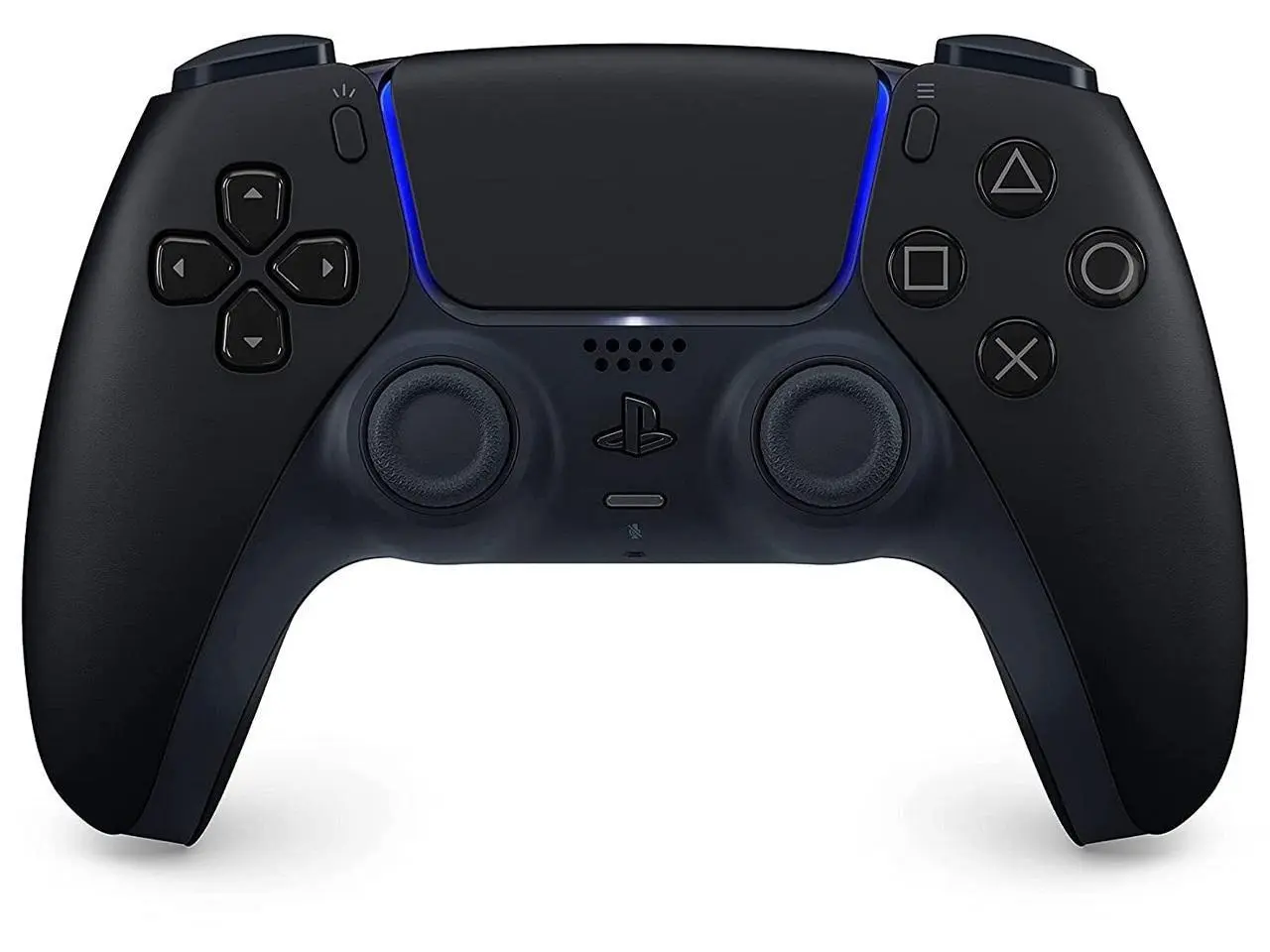

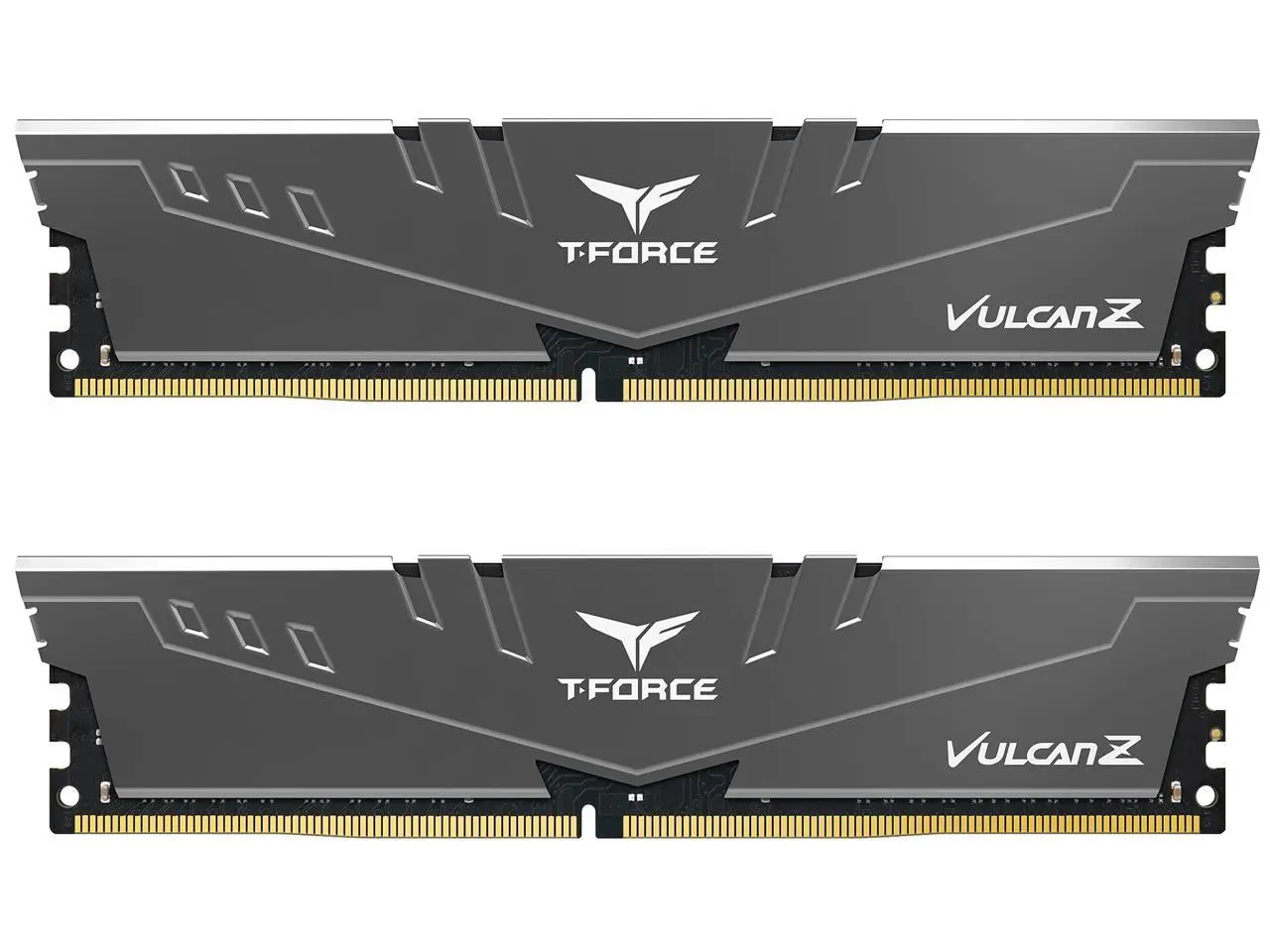
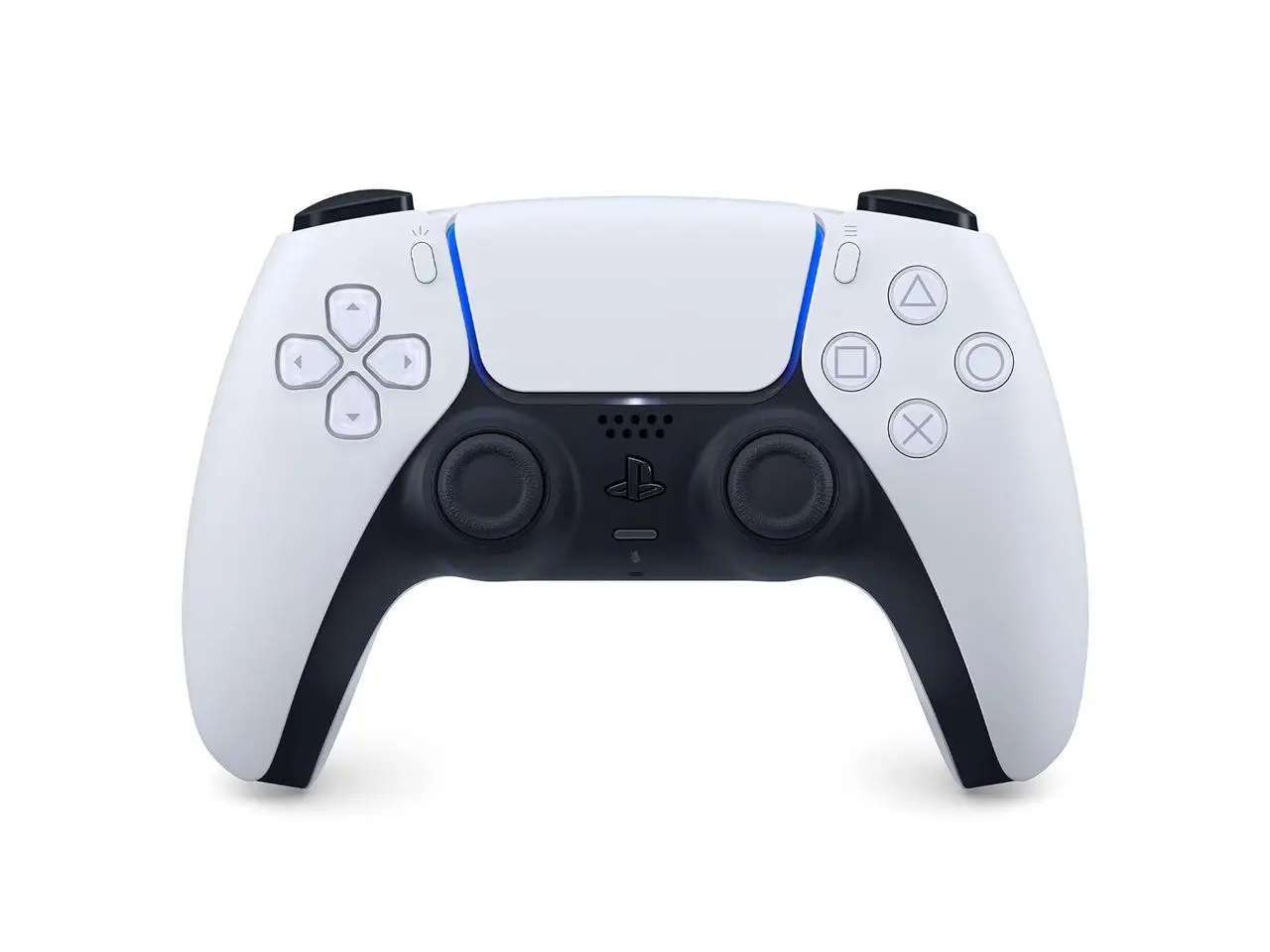


4.6
178 sold
-48%$65.68$126.45


Newegg, Inc.

4.6
345 sold
$119.99


Newegg, Inc.
4.8
67 sold
$169.99


Related Searches
Related Categories
Introduction
Selling computer monitors is a vital aspect of the tech industry, catering to a diverse range of needs from gamers to professionals. When considering the purchase of a computer monitor, it’s essential to evaluate several factors that can significantly impact your experience. First, consider the screen size and resolution; larger screens with higher resolutions provide a more immersive experience, especially for gaming or graphic design. Additionally, the refresh rate is crucial for gamers, as higher rates lead to smoother visuals.
Another important factor is panel technology, which includes options like IPS, TN, and VA. Each type offers different advantages in terms of color accuracy, response times, and viewing angles.
Here are some tips to keep in mind when selling computer monitors:
With proven quality and customer-approved options, selling computer monitors can be a rewarding venture. Regular updates on the latest models and trends will keep your offerings competitive and appealing to tech-savvy consumers.
Another important factor is panel technology, which includes options like IPS, TN, and VA. Each type offers different advantages in terms of color accuracy, response times, and viewing angles.
Here are some tips to keep in mind when selling computer monitors:
- Highlight key features such as resolution, refresh rate, and panel type.
- Provide comparisons between different models to help customers make informed decisions.
- Encourage customers to consider their specific needs, whether for gaming, work, or casual use.
- Offer warranties and customer support options to build trust.
With proven quality and customer-approved options, selling computer monitors can be a rewarding venture. Regular updates on the latest models and trends will keep your offerings competitive and appealing to tech-savvy consumers.