running shkoes
Running shoes are specialized footwear designed to provide support, cushioning, and stability for runners during their workouts and races.
Featured brands
Authenticated productsVerified shops

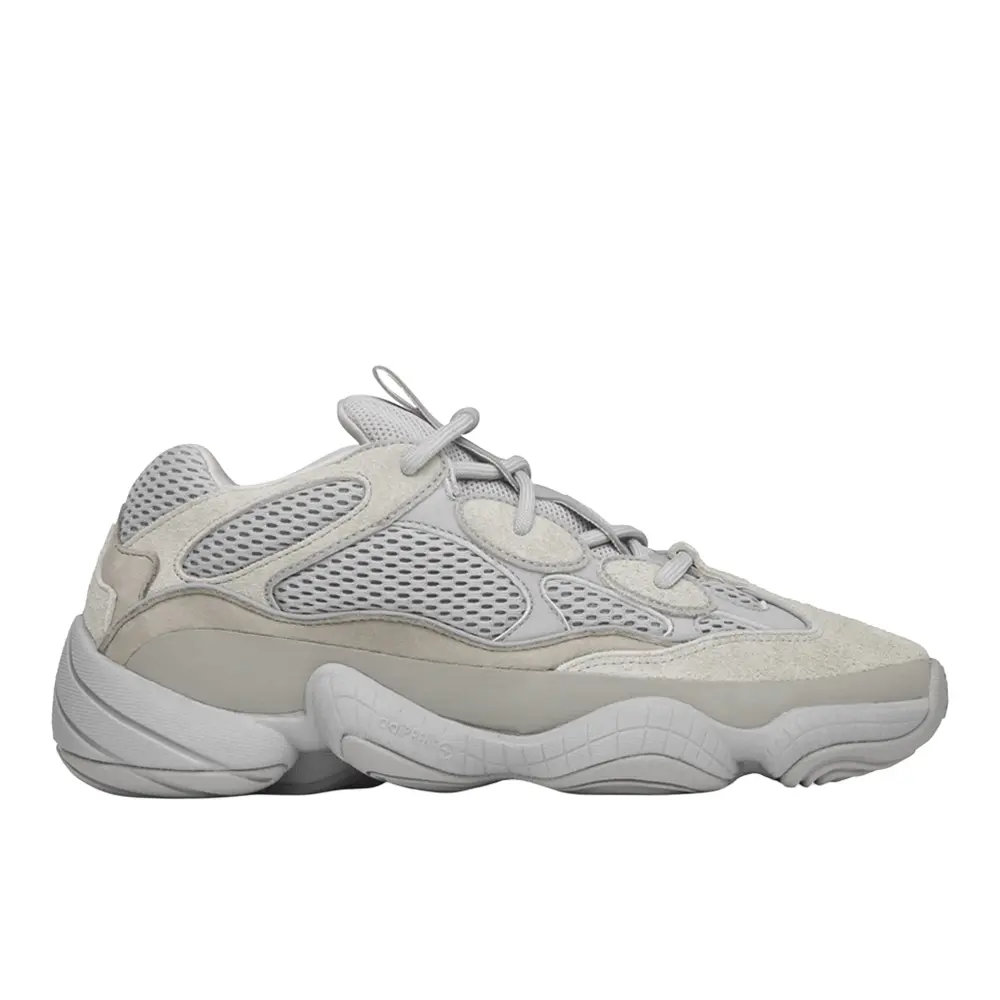

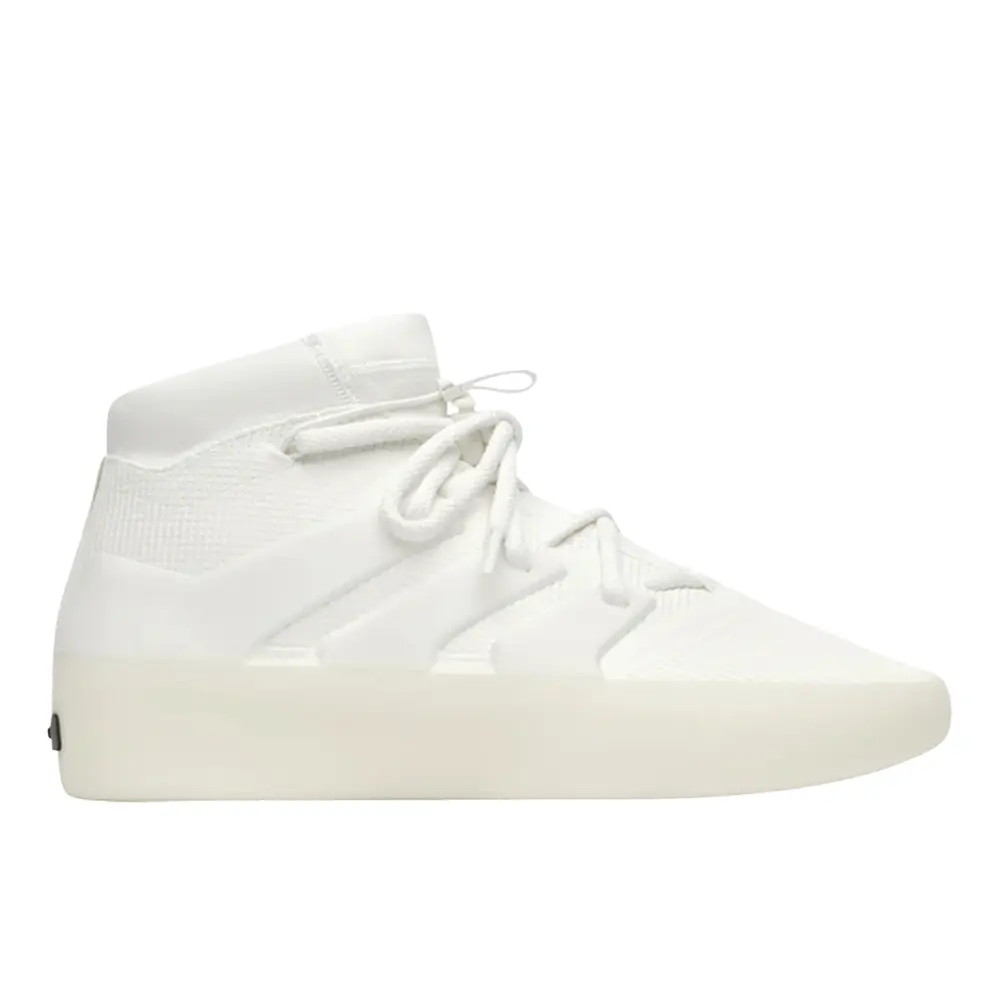

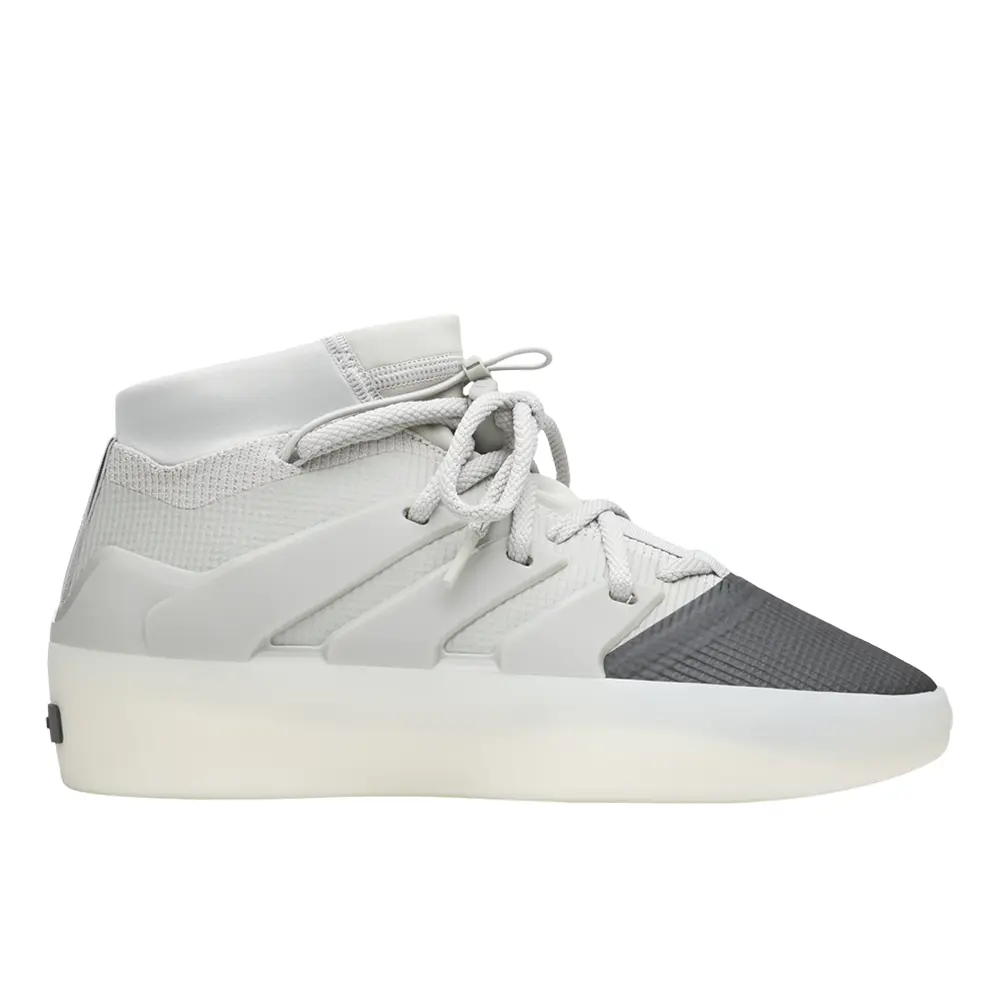
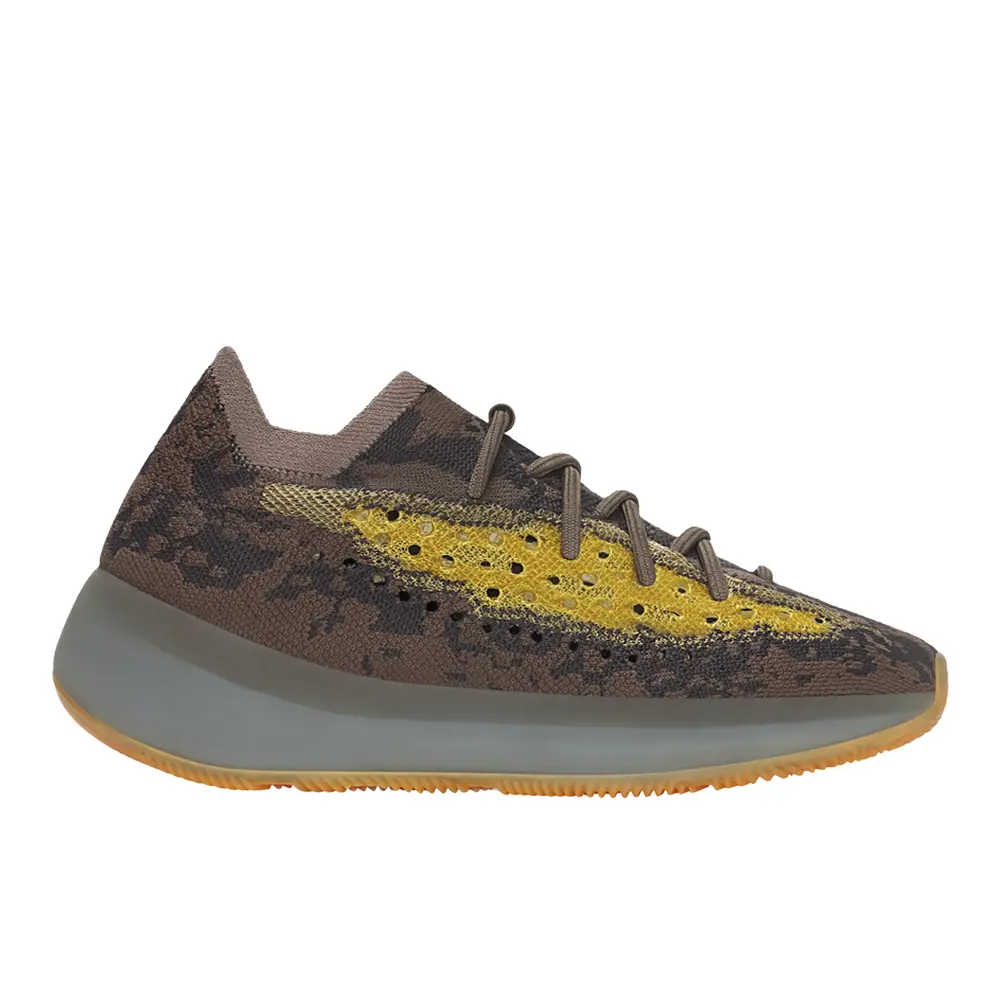
![NORTIV 8 [ActiveBreeze] Women's Walking Shoes Cushion Comfortable ActiveBreeze Running Shoes Non-Slip Workout Gym Sports Athletic Breathable Fashion Sneakers Running Sneaker Athletic Shoes](https://p16-oec-general-useast5.ttcdn-us.com/tos-useast5-i-omjb5zjo8w-tx/388a9a21b45043ee9cc13e74966ff427~tplv-fhlh96nyum-resize-webp:600:600.webp?dr=12190&t=555f072d&ps=933b5bde&shp=8dbd94bf&shcp=a6e80448&idc=useast5&from=2378011839 "NORTIV 8 [ActiveBreeze] Women's Walking Shoes Cushion Comfortable ActiveBreeze Running Shoes Non-Slip Workout Gym Sports Athletic Breathable Fashion Sneakers Running Sneaker Athletic Shoes")


![NORTIV 8 [ActiveFloat] Women's Walking Shoes Cushion Running Shoes Comfortable Breathable Workout Gym Sports Athletic Sneakers Sporty Running Shoes](https://p16-oec-general-useast5.ttcdn-us.com/tos-useast5-i-omjb5zjo8w-tx/1640a2f1d06446daa602bf77a26c9bb4~tplv-fhlh96nyum-resize-webp:600:600.webp?dr=12190&t=555f072d&ps=933b5bde&shp=8dbd94bf&shcp=a6e80448&idc=useast5&from=2378011839 "NORTIV 8 [ActiveFloat] Women's Walking Shoes Cushion Running Shoes Comfortable Breathable Workout Gym Sports Athletic Sneakers Sporty Running Shoes")


![NORTIV 8 [ActiveBreeze] Women's Comfortable Mesh Running Shoes](https://p16-oec-general-useast5.ttcdn-us.com/tos-useast5-i-omjb5zjo8w-tx/5124d03267d944a2a1319b7ca4f14dda~tplv-fhlh96nyum-resize-webp:600:600.webp?dr=12190&t=555f072d&ps=933b5bde&shp=8dbd94bf&shcp=a6e80448&idc=useast5&from=2378011839 "NORTIV 8 [ActiveBreeze] Women's Comfortable Mesh Running Shoes")


![NORTIV 8 [ActiveFloat] Women's Walking Shoes Cushion Running Tennis Shoes Non-Slip Comfortable Breathable Workout Gym Sports Athletic Sneakers Casual Running Shoes Lightweight Running Jogging Shoes](https://p16-oec-general-useast5.ttcdn-us.com/tos-useast5-i-omjb5zjo8w-tx/30438a61bc984142995578a59a03356e~tplv-fhlh96nyum-resize-webp:600:600.webp?dr=12190&t=555f072d&ps=933b5bde&shp=8dbd94bf&shcp=a6e80448&idc=useast5&from=2378011839 "NORTIV 8 [ActiveFloat] Women's Walking Shoes Cushion Running Tennis Shoes Non-Slip Comfortable Breathable Workout Gym Sports Athletic Sneakers Casual Running Shoes Lightweight Running Jogging Shoes")


Related Searches
Introduction
When it comes to running, having the right footwear is crucial, and that's where running shoes come into play. Specifically designed to enhance performance and reduce the risk of injury, running shoes are an essential investment for both casual joggers and serious athletes. With a wide variety of styles and features, choosing the right pair can significantly impact your running experience.
Here are some key aspects to consider when selecting running shoes:
Regularly updating your running shoes is also essential, as worn-out footwear can lead to discomfort and injuries. Make sure to check your shoes for and replace them every 300-500 miles for optimal performance.
Here are some key aspects to consider when selecting running shoes:
- Cushioning: Look for shoes that offer adequate cushioning to absorb impact, especially if you run on hard surfaces.
- Fit: Ensure the shoes fit well, providing enough room for your toes while securing your heel in place.
- Support: Depending on your foot type, some runners may need additional support to prevent overpronation or supination.
- Weight: Lightweight shoes can enhance speed, while heavier options may provide more stability and cushioning.
- Durability: Quality materials will ensure your shoes last longer, even with frequent use.
Regularly updating your running shoes is also essential, as worn-out footwear can lead to discomfort and injuries. Make sure to check your shoes for and replace them every 300-500 miles for optimal performance.