running footwear
Running footwear refers to specialized shoes designed to provide support, comfort, and protection for runners. These shoes are engineered to accommodate the unique movements and impacts associated with running.
Featured brands
Authenticated productsVerified shops


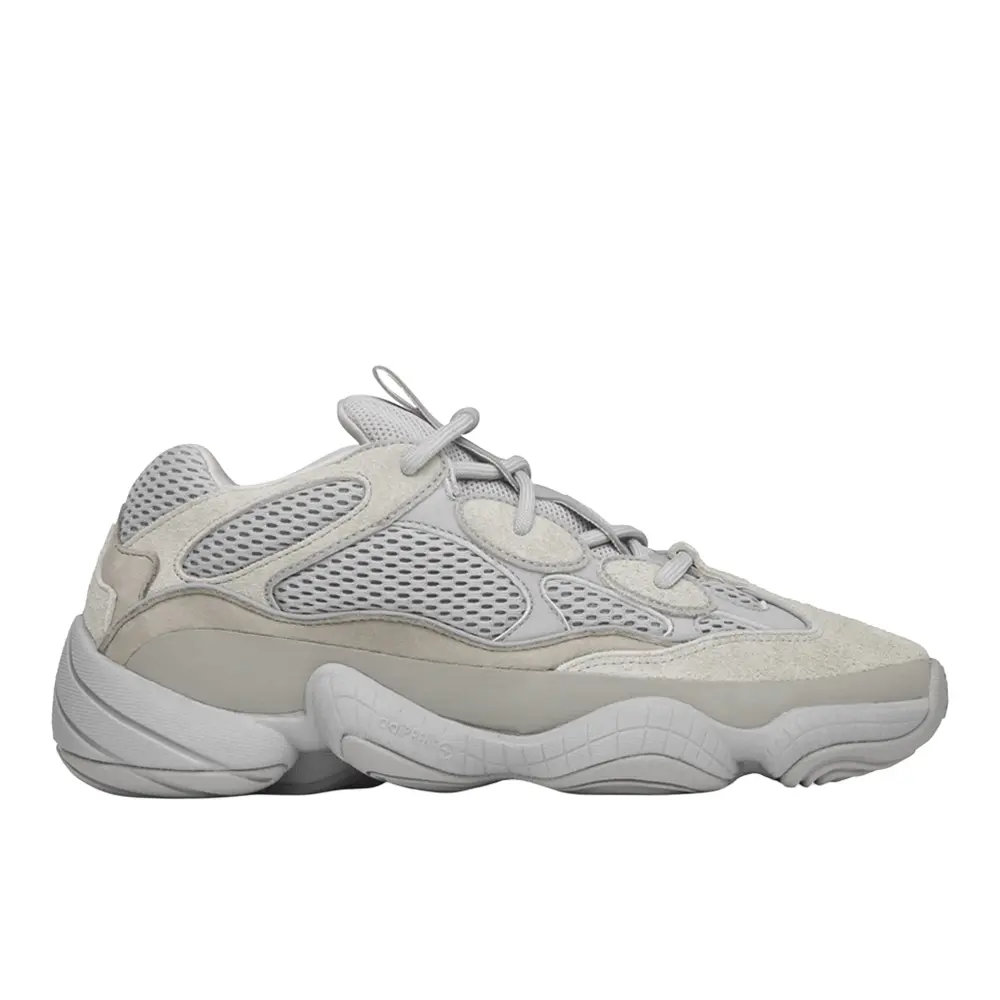

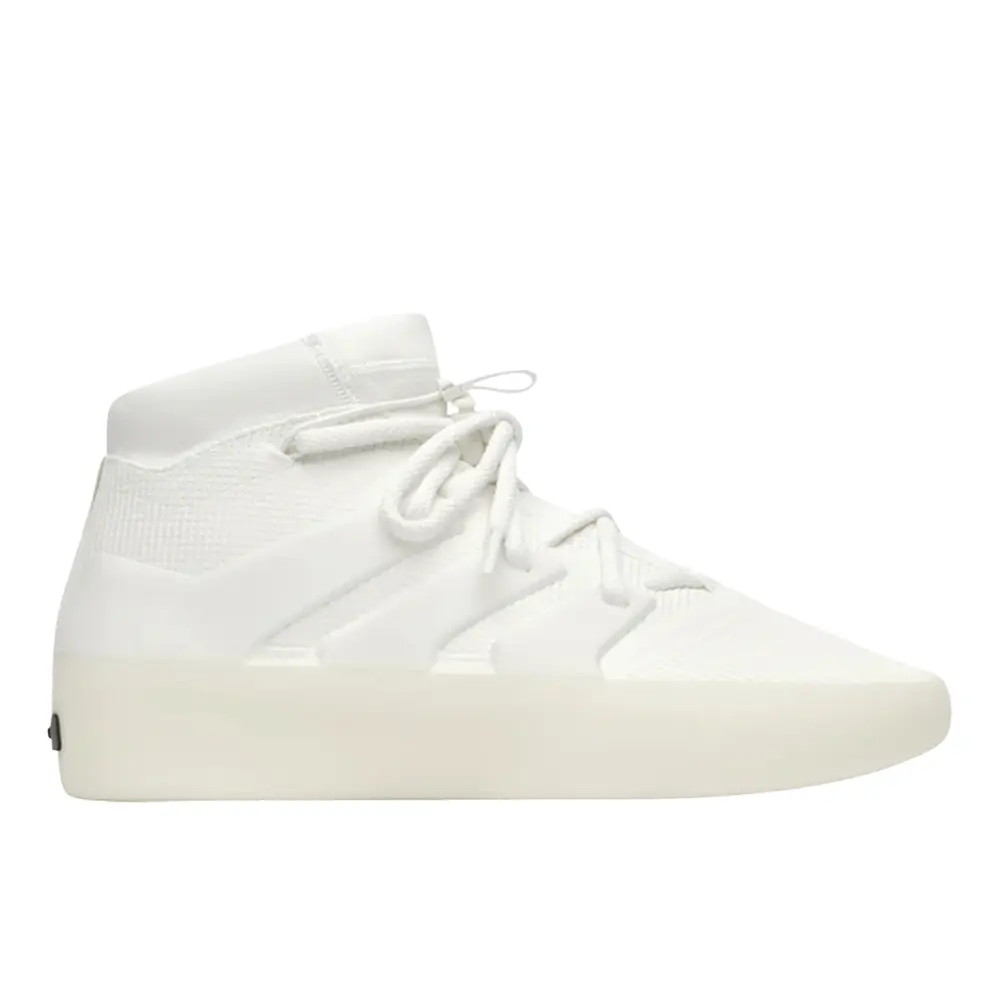
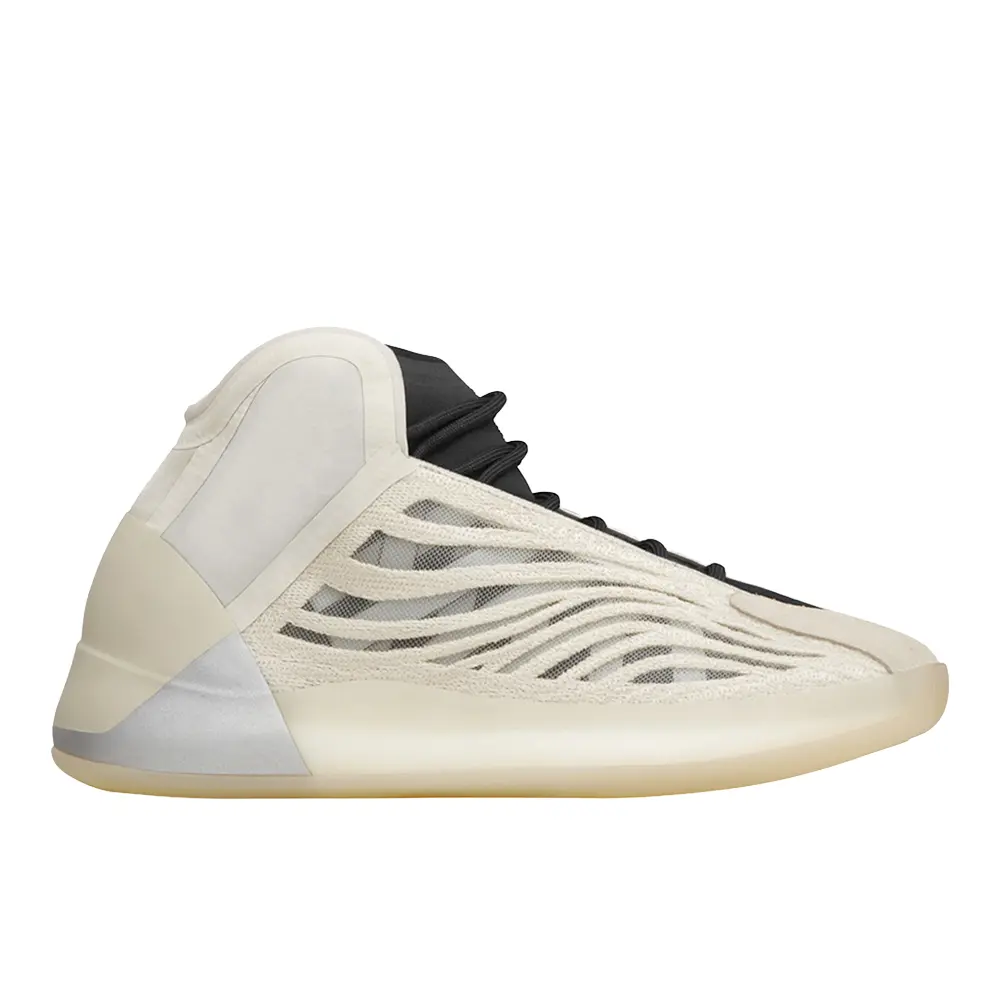
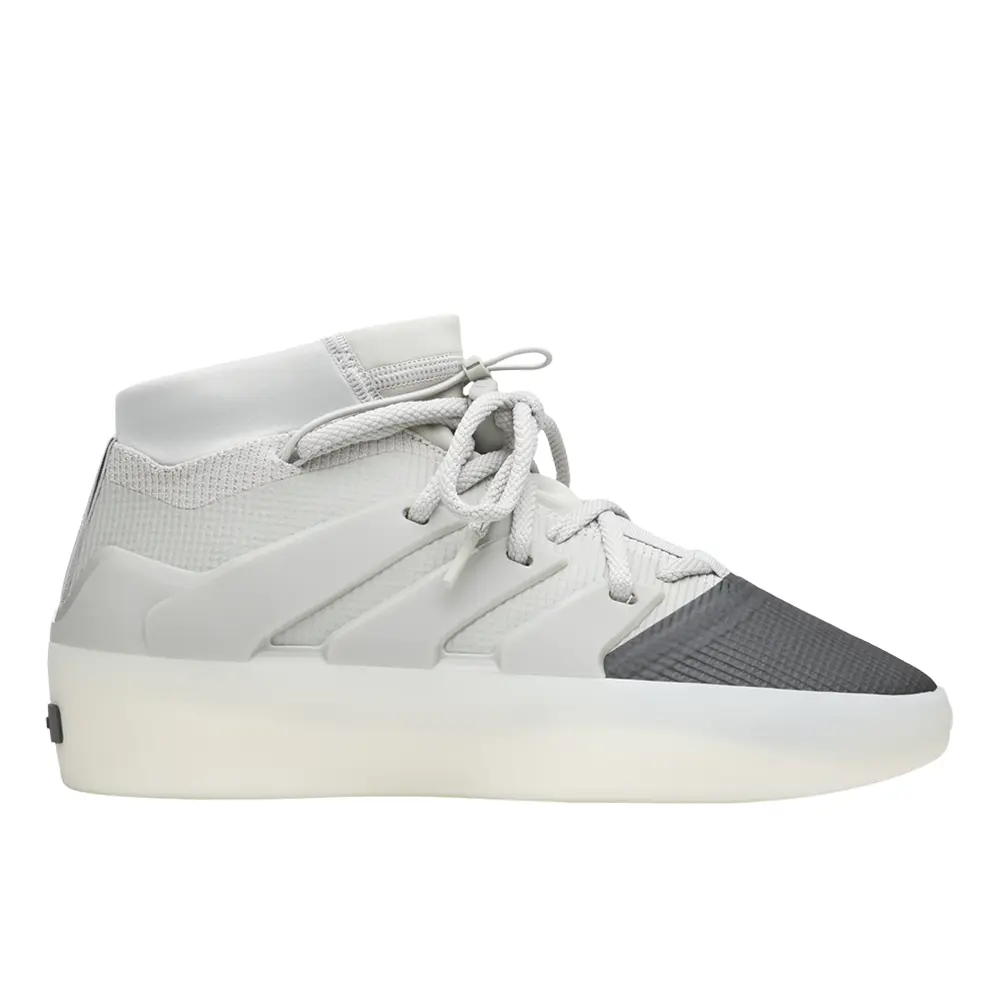


![[Back to School] ANTA UNISEX ZONE 2 90 Lightweight Cushioning Responsive Everyday Running Shoes Training Runner Footwear Long-distance professional running shoes Men & WomenBTS](https://p16-oec-general-useast5.ttcdn-us.com/tos-useast5-i-omjb5zjo8w-tx/fe4b43f0f0c6406d8f0dadffc4e62715~tplv-fhlh96nyum-resize-webp:600:600.webp?dr=12190&t=555f072d&ps=933b5bde&shp=8dbd94bf&shcp=a6e80448&idc=useast5&from=2378011839 "[Back to School] ANTA UNISEX ZONE 2 90 Lightweight Cushioning Responsive Everyday Running Shoes Training Runner Footwear Long-distance professional running shoes Men & WomenBTS")


Related Searches
Related Categories
Introduction
When it comes to running, having the right footwear is crucial for both performance and injury prevention. Running footwear is specifically designed to cater to the needs of runners, offering features that enhance comfort, stability, and durability. Whether you're a casual jogger or a seasoned marathoner, investing in quality running shoes can make a significant difference in your running experience.
Here are some key aspects to consider when choosing running footwear:
With a wide variety of options available, it's important to select running footwear that best suits your individual running style and foot shape. Remember, the right pair of running shoes can enhance your performance, reduce the risk of injury, and provide a more enjoyable running experience. Don't hesitate to seek expert advice or try on multiple pairs to find the perfect fit for your needs.
Here are some key aspects to consider when choosing running footwear:
- Cushioning: Look for shoes that provide adequate cushioning to absorb impact and reduce stress on your joints.
- Support: Proper arch support is essential to maintain stability and prevent injuries.
- Fit: Ensure a snug fit that allows for some movement but doesn’t cause discomfort.
- Breathability: Choose materials that promote airflow to keep your feet cool and dry during runs.
- Durability: Consider the shoe's construction and materials to ensure they can withstand regular use.
With a wide variety of options available, it's important to select running footwear that best suits your individual running style and foot shape. Remember, the right pair of running shoes can enhance your performance, reduce the risk of injury, and provide a more enjoyable running experience. Don't hesitate to seek expert advice or try on multiple pairs to find the perfect fit for your needs.