Results for "root bound plant"

Root bound plants occur when the roots of a plant grow too large for its container, leading to a lack of nutrients and water absorption. This condition can stunt growth and affect the overall health of the plant.

Featured brands
Authenticated productsVerified shops

Red arrow syngonium
5.02 sold
$30.00
ORCHID Premium Potting Mix
Free shipping
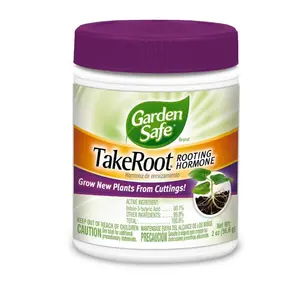
2 oz. Take Root Rooting Hormone
Free shipping
Field Root Growth Treatment
Free shipping
mixed gongoli root
Free shipping
4.8146 sold
$45.00
Radicans Gardenia
Free shipping
6” rattlesnake plant
Free shipping
beaded plant stake
5.057 sold
$22.00
PLANTA DE RUDA  CON RAIZ
5.027 sold
$24.55

Introduction

If you're a plant lover, you may have encountered the term 'root bound plant'. This condition arises when plants outgrow their pots, causing roots to circle around the container, leading to restricted growth. Understanding how to identify and manage a root bound plant is crucial for maintaining healthy foliage and blooms. A root bound plant often exhibits signs such as stunted growth, yellowing leaves, and poor water retention. Here are some key points to consider:
  • Signs of a Root Bound Plant: Look for roots emerging from drainage holes, a plant that seems too large for its pot, or soil that dries out quickly.
  • Solutions: Repotting is the most effective way to remedy a root bound plant. Choose a pot that is 1-2 inches larger in diameter than the current one and refresh the soil.
  • Prevention: Regularly check your plants and repot them every couple of years to ensure they have enough space to grow.
By keeping an eye on your plants and understanding their needs, you can prevent them from becoming root bound. Remember, a healthy root system is essential for nutrient uptake and overall plant vitality. Trust in proven methods and customer-approved practices to keep your plants thriving. Don't wait until your plant is severely root bound; take proactive steps for plant care today!

FAQs

How can I tell if my plant is root bound?

Check for roots that are growing out of the drainage holes, or if the plant appears too large for its pot. Yellowing leaves and stunted growth are also indicators.

What should I do if my plant is root bound?

Repot the plant into a larger container with fresh soil. Gently loosen the roots if they are tightly bound.

How often should I repot my plants?

Typically, repotting every 1-2 years is recommended, but it depends on the growth rate of the plant.

Can a root bound plant recover?

Yes, with proper care and repotting, a root bound plant can recover and thrive again.

What are the best practices for potting plants?

Choose the right size pot, use quality soil, and ensure proper drainage to promote healthy root growth.