raincatcher
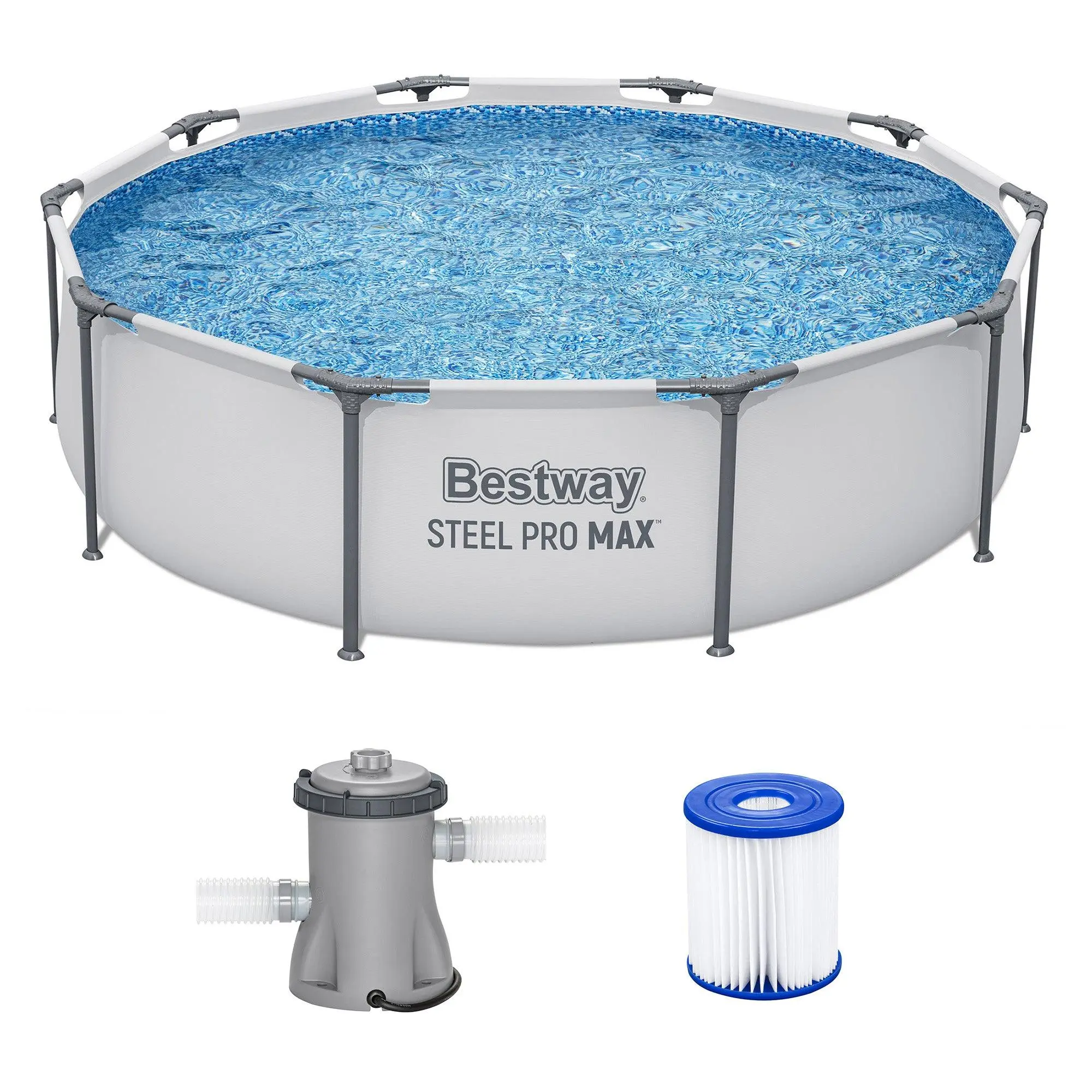
A raincatcher is a device designed to collect and store rainwater for various uses, including irrigation and livestock watering. It is an essential tool for sustainable farming practices.
Featured brands
Authenticated productsVerified shops







Spreetail

5.0
19 sold
$181.99


Spreetail
5.0
7 sold
$556.82

Spreetail
5.0
6 sold
$292.49

Spreetail
-54%$303.01$659.99


Spreetail
4.7
693 sold
$279.49


Spreetail
5.0
102 sold
$220.99


Related Categories
Introduction
Raincatchers are increasingly becoming a vital part of modern farming, especially for those looking to enhance their sustainability efforts. By collecting rainwater, farmers can efficiently use this natural resource for irrigation, livestock, and other farm needs. Utilizing a raincatcher not only conserves water but also helps reduce utility costs, making it a smart investment for any farm.
Here are some key benefits of using a raincatcher:
Investing in a raincatcher is a proactive step towards sustainable farming. Whether you're watering livestock or irrigating crops, a raincatcher is a reliable solution that supports your farm's health and productivity. Trusted by thousands of farmers, raincatchers are a proven quality addition to any agricultural operation. Make the switch today and start reaping the benefits of this eco-friendly tool!
Here are some key benefits of using a raincatcher:
- Water Conservation: Raincatchers allow you to collect and store rainwater, minimizing the need for municipal water.
- Cost-Effective: By relying on rainwater, you can significantly lower your water bills.
- Improved Plant Health: Rainwater is free of chemicals found in tap water, promoting healthier crops.
- Environmental Impact: Using a raincatcher reduces runoff and helps manage stormwater on your farm.
- Easy to Install: Most raincatchers are simple to set up and can be customized to fit your farm's needs.
Investing in a raincatcher is a proactive step towards sustainable farming. Whether you're watering livestock or irrigating crops, a raincatcher is a reliable solution that supports your farm's health and productivity. Trusted by thousands of farmers, raincatchers are a proven quality addition to any agricultural operation. Make the switch today and start reaping the benefits of this eco-friendly tool!