pregnancy mask
Pregnancy mask, also known as melasma or chloasma, refers to the dark patches that can appear on the skin, particularly on the face, during pregnancy due to hormonal changes.
Featured brands
Authenticated productsVerified shops


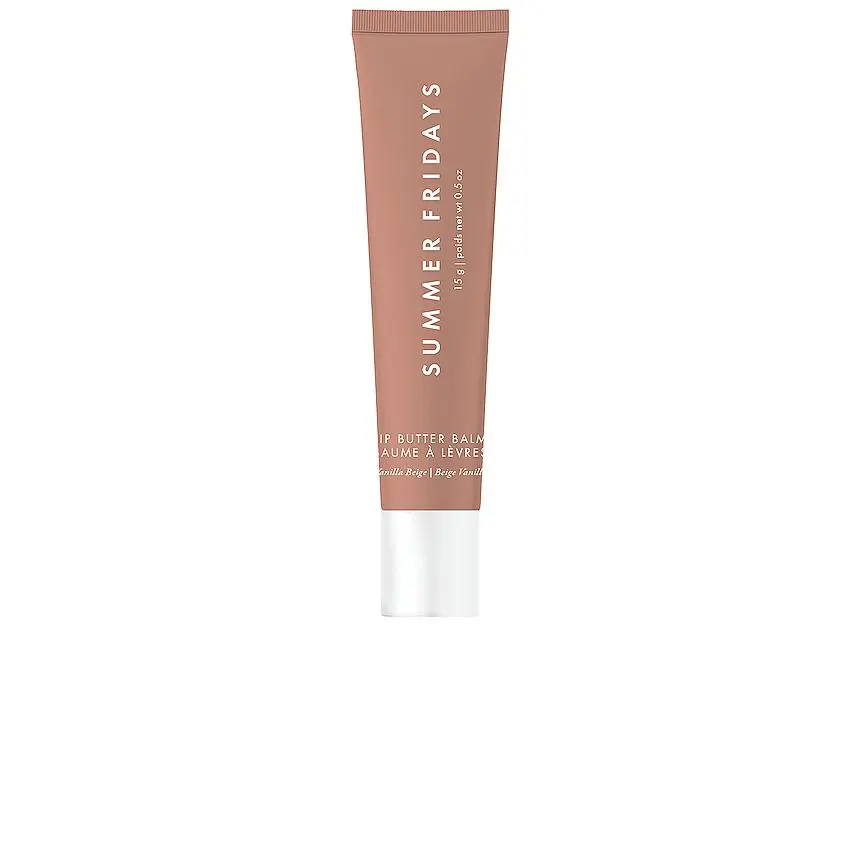
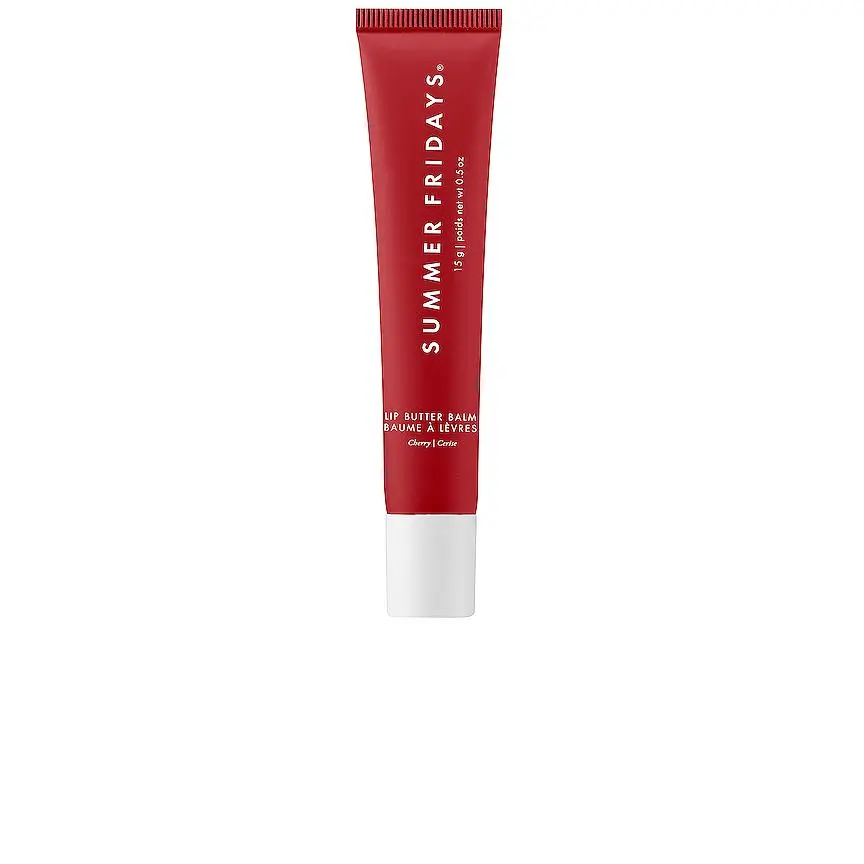
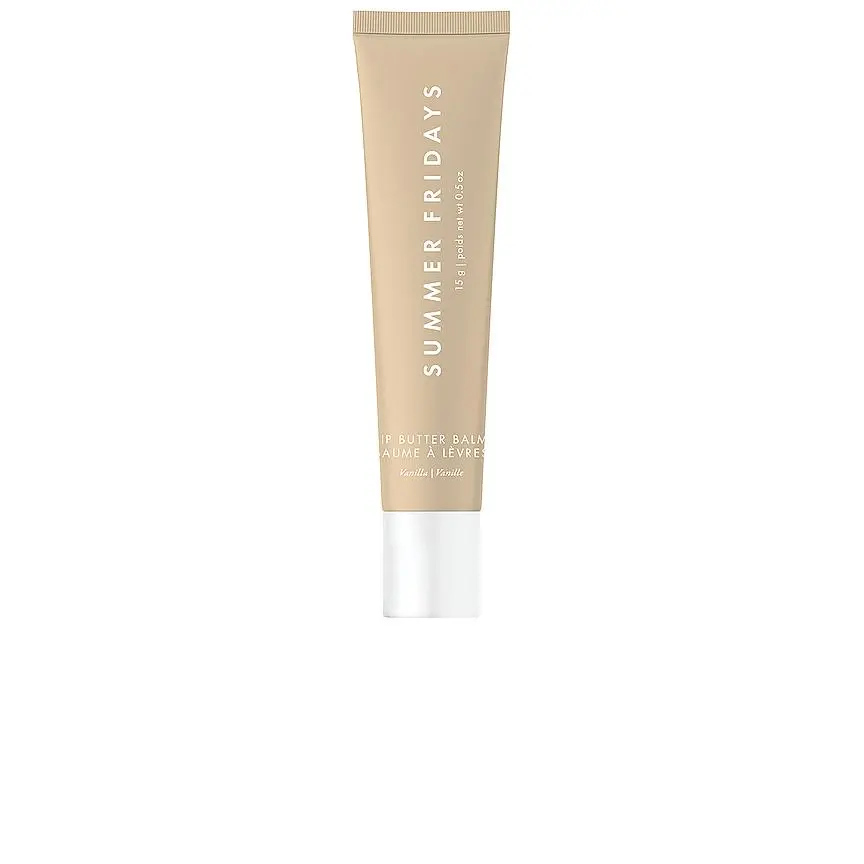
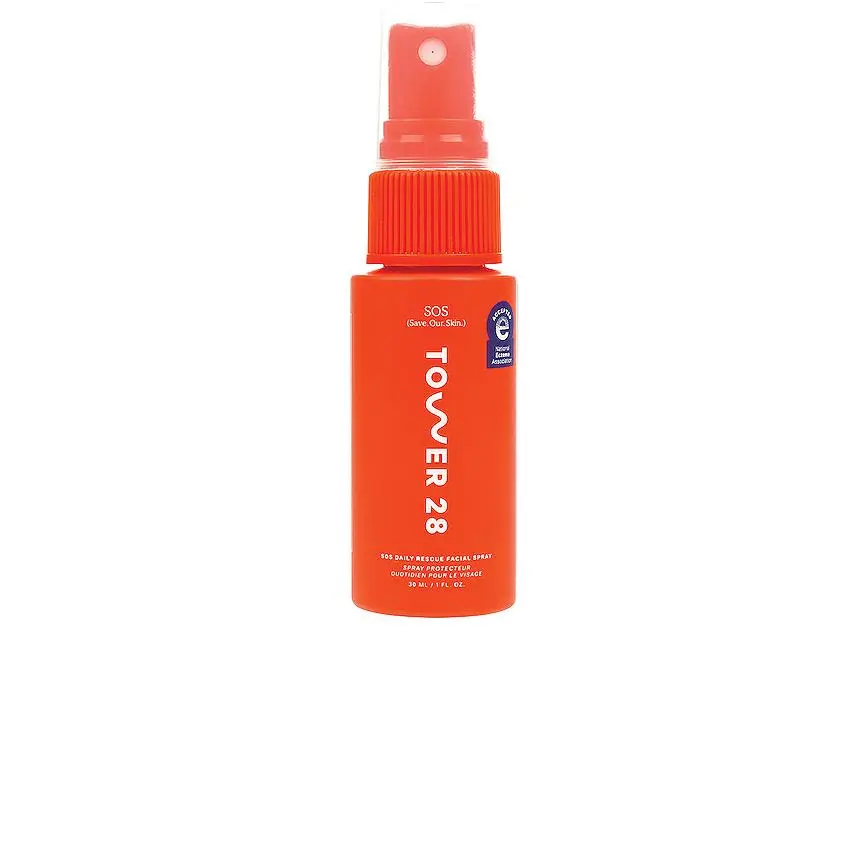



![[WNP Official] Mummy Mask Resurrecting Spa Treatment mask Skincare Treatment for Skin Repair & Comfort](https://p16-oec-general-useast5.ttcdn-us.com/tos-useast5-i-omjb5zjo8w-tx/7ad806902e2a42289fa5fe7e5d78dfbd~tplv-fhlh96nyum-resize-webp:600:600.webp?dr=12190&t=555f072d&ps=933b5bde&shp=8dbd94bf&shcp=a6e80448&idc=useast5&from=2378011839 "[WNP Official] Mummy Mask Resurrecting Spa Treatment mask Skincare Treatment for Skin Repair & Comfort")


Related Searches
Related Categories
Introduction
Pregnancy mask, commonly referred to as melasma, is a skin condition that many expectant mothers may experience. This condition is characterized by dark, discolored patches that typically appear on the face, particularly on the cheeks, forehead, and upper lip. Hormonal changes during pregnancy can trigger this pigmentation, leading to a noticeable change in skin tone for some women.
Understanding the causes and management of pregnancy mask is essential for expecting mothers. Here are some key points to consider:
It's important to note that pregnancy mask is often temporary, and many women find that the discoloration fades after childbirth. However, maintaining a proper skincare routine and protecting your skin from sun exposure can help minimize its appearance. Remember, you're not alone in this experience, as pregnancy mask is common and affects many women. Embrace your journey and take care of your skin with proven quality products that are safe for both you and your baby.
Understanding the causes and management of pregnancy mask is essential for expecting mothers. Here are some key points to consider:
- Hormonal Changes: The increase in hormones such as estrogen and progesterone can lead to increased melanin production, causing dark patches.
- Sun Exposure: UV exposure can worsen the appearance of melasma, making sun protection crucial during pregnancy.
- Skincare Choices: Using gentle skincare products and avoiding harsh treatments is recommended to manage skin sensitivity during pregnancy.
- Consult a Dermatologist: If melasma becomes a concern, seeking advice from a dermatologist can provide tailored solutions.
It's important to note that pregnancy mask is often temporary, and many women find that the discoloration fades after childbirth. However, maintaining a proper skincare routine and protecting your skin from sun exposure can help minimize its appearance. Remember, you're not alone in this experience, as pregnancy mask is common and affects many women. Embrace your journey and take care of your skin with proven quality products that are safe for both you and your baby.