power washer
A power washer, also known as a pressure washer, is a high-pressure cleaning tool used to remove dirt, grime, mold, and stains from various surfaces. It utilizes a motor to pump water through a nozzle at high speeds, making it effective for outdoor cleaning tasks.
Featured brands
Authenticated productsVerified shops


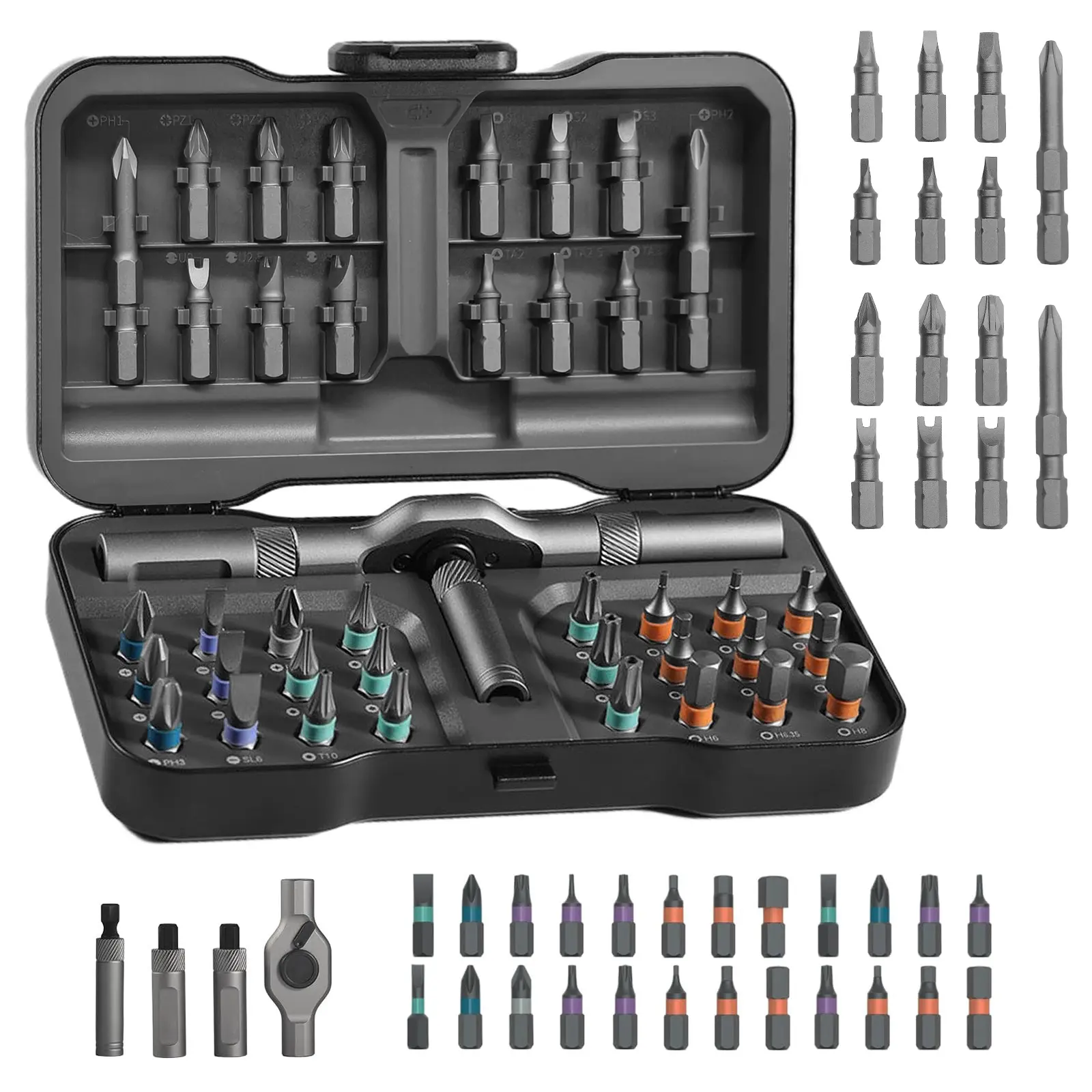


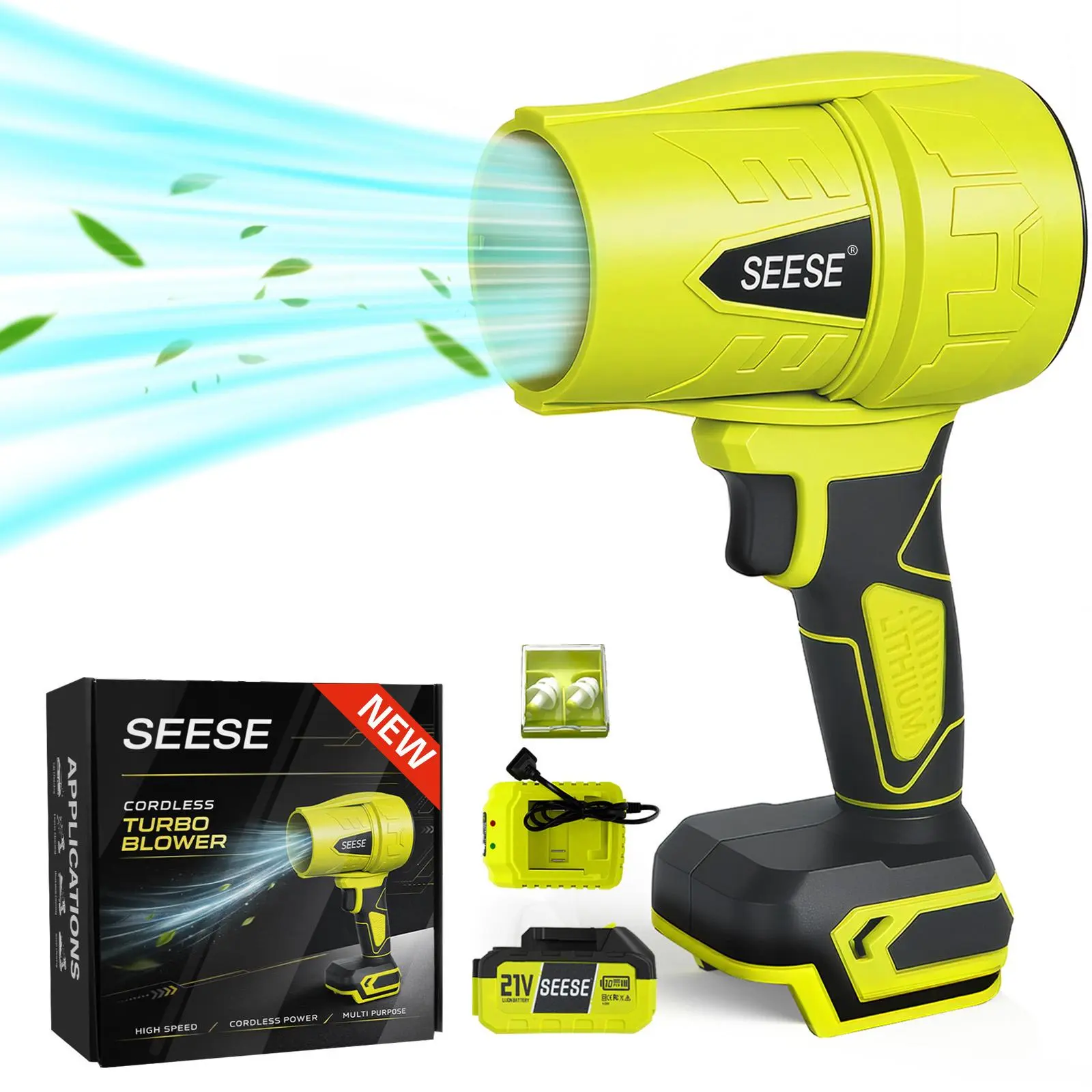


SEESE Store

4.2
377.4K sold
-44%$55.37$99.00


SEESE Store
4.2
5.9K sold
-50%$49.87$99.00


Related Searches
Related Categories
Introduction
A power washer is an essential tool for anyone looking to maintain the cleanliness of their outdoor spaces. Whether you're cleaning your driveway, patio, or siding, a power washer can make the job significantly easier and more efficient. With its ability to deliver high-pressure water, it effectively removes tough stains and dirt that traditional cleaning methods might struggle with.
Here are some common uses for a power washer:
When selecting a power washer, consider the following features:
Here are some common uses for a power washer:
- Cleaning driveways and sidewalks
- Washing vehicles
- Removing mold and mildew from surfaces
- Preparing surfaces for painting
- Cleaning outdoor furniture
When selecting a power washer, consider the following features:
- Pressure rating (measured in PSI)
- Water flow rate (measured in GPM)
- Type of motor (electric vs. gas)
- Portability and storage options
- Included accessories and attachments