Results for "post inflammatory hyperpigmentation on body"
Post-inflammatory hyperpigmentation (PIH) on the body is a common skin condition characterized by darkened patches that occur after skin inflammation or injury. It is often a result of acne, eczema, or other skin irritations, leading to an overproduction of melanin in the affected areas.


Topicals

4.7
525 sold
$24.00
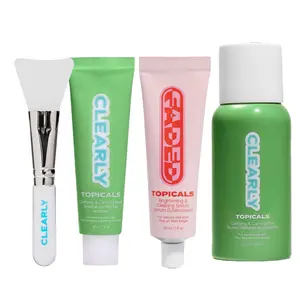
Topicals
3.7
23 sold
-15%$64.00$75.00
![[Abib official] Glutathiosome cream Vita tube l Hyperpigmentation, post-acne mark, dark spots](https://p16-oec-general-useast5.ttcdn-us.com/tos-useast5-i-omjb5zjo8w-tx/232d1719bded4da8a25b4815811058fa~tplv-fhlh96nyum-crop-webp:300:300.webp?dr=12190&t=555f072d&ps=933b5bde&shp=8dbd94bf&shcp=a6e80448&idc=useast5&from=2378011839 "[Abib official] Glutathiosome cream Vita tube l Hyperpigmentation, post-acne mark, dark spots")
Abib.US.Store
5.0
38 sold
-19%$30.00$37.00

$24.00
![[StyleKorean] Body Dark Spot Repair Set, Body Hyper Pigmentation Elbow Armpits Inner Thighs, Niacinamide Serum, Dr.Melaxin Peel Shot Kojic Acid Turmeric Spray, Medicube Toner](https://p16-oec-general-useast5.ttcdn-us.com/tos-useast5-i-omjb5zjo8w-tx/6e2dd0a62d814a479358591bb018a3d0~tplv-fhlh96nyum-crop-webp:300:300.webp?dr=12190&t=555f072d&ps=933b5bde&shp=8dbd94bf&shcp=a6e80448&idc=useast5&from=2378011839 "[StyleKorean] Body Dark Spot Repair Set, Body Hyper Pigmentation Elbow Armpits Inner Thighs, Niacinamide Serum, Dr.Melaxin Peel Shot Kojic Acid Turmeric Spray, Medicube Toner")


$70.00


![[COSRX Official] Centella Blemish Cream (30g) | TREATS & SOOTHES POST-INFLAMMATORY MARKS, HYPERPIGMENTATION](https://p16-oec-general-useast5.ttcdn-us.com/tos-useast5-i-omjb5zjo8w-tx/a532a4041b664b2c8886683afc09051b~tplv-fhlh96nyum-crop-webp:300:300.webp?dr=12190&t=555f072d&ps=933b5bde&shp=8dbd94bf&shcp=a6e80448&idc=useast5&from=2378011839 "[COSRX Official] Centella Blemish Cream (30g) | TREATS & SOOTHES POST-INFLAMMATORY MARKS, HYPERPIGMENTATION")
COSRX US
4.5
446 sold
-15%$18.70$22.00


![[HAPA KRISTIN] Glutathione Hydrogel Face Mask, Korean Overnight Glass Skin Mask, Niacinamide for Dark Spots & Hyperpigmentation, Uneven Skin Tone, Hyaluronic Acid Hydration, Radiance & Elasticity, 4EA](https://p16-oec-general-useast8.ttcdn-us.com/tos-useast8-i-rt0ujvrtvp-tx2/35ba41e63c0948eebe2b1636d298c81b~tplv-fhlh96nyum-crop-webp:300:300.webp?dr=12190&t=555f072d&ps=933b5bde&shp=8dbd94bf&shcp=a6e80448&idc=useast5&from=2378011839 "[HAPA KRISTIN] Glutathione Hydrogel Face Mask, Korean Overnight Glass Skin Mask, Niacinamide for Dark Spots & Hyperpigmentation, Uneven Skin Tone, Hyaluronic Acid Hydration, Radiance & Elasticity, 4EA")


$42.00


Truly Beauty
5.0
153 sold
-25%$52.30$70.00


Related Searches
Related Categories
Introduction
Post-inflammatory hyperpigmentation on the body can be a frustrating condition for many individuals. This skin issue arises when the skin darkens following an inflammatory event, such as acne, eczema, or injury. Understanding how to manage and treat post-inflammatory hyperpigmentation is essential for achieving clearer skin.
Here are some key points to consider:
Here are some key points to consider:
- Causes: PIH occurs when the skin heals after an injury, leading to an excess production of melanin.
- Areas Affected: It can appear on any part of the body, including arms, legs, and back.
- Treatment Options: Various treatments are available, including topical creams, chemical peels, and laser therapy.
- Prevention: Protecting the skin from further irritation and sun exposure can help minimize the risk of developing PIH.